
去欧洲化

Search documents
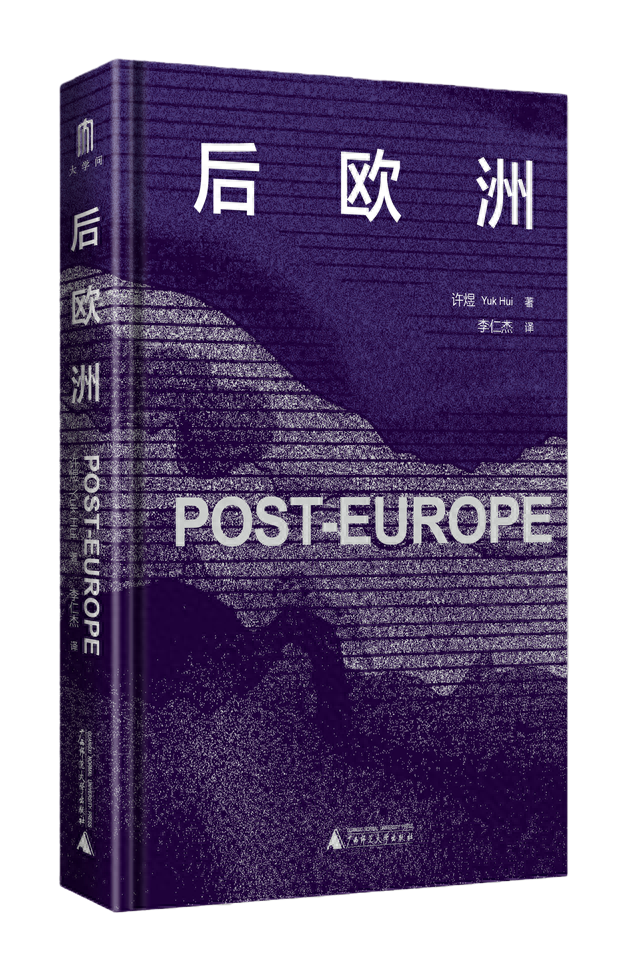
在好欧洲人尼采之后
Xin Lang Cai Jing· 2026-02-25 00:29
Core Viewpoint - The article discusses the concept of "homelessness" as a defining condition of human existence in the 21st century, emphasizing the need for a new understanding of "home" that reflects contemporary realities rather than past ideals [5]. Group 1: Concept of Europe and Asia - The definitions of Europe and Asia are questioned, suggesting that the rise of American imperialism has altered historical narratives and that a return to past divisions is not feasible [2]. - Acknowledgment of the historical process of Europeanization and Americanization in East Asia is presented as a means to redefine identities in a post-European context [2]. Group 2: Nationalism and Identity - Nationalism is critiqued as a continuation of European nihilism, with Nietzsche's perspective suggesting that it serves as a substitute for the lost transcendence of God [3]. - The article highlights the persistence of nationalism in the face of globalization and geopolitical challenges, using Brexit as an example of rising nationalist sentiments [3]. Group 3: The Future of European Identity - The need for "de-Europeanization" is proposed, which does not entail abandoning European heritage but rather rethinking its continuation without imposing linear forms of universalization [4]. - The article posits that modern individuals experience a historical sense of homelessness, necessitating a reflection on the past to envision a future home [5]. Group 4: Individualization of Thought - Two models of individualization are discussed: one that critiques consumerism and another that fosters the emergence of diverse thoughts [5]. - The process of individualization is framed as a negotiation between inherited pasts and new resources, leading to the creation of new concepts [7]. Group 5: Navigating National Identity - The article emphasizes the importance of confronting one's nationality and the temptation to become a national thinker, suggesting that true understanding comes from recognizing the fragility of identity without the state [6]. - It argues that being born into a nationality does not equate to having a national identity, but rather signifies an accidental existence that allows for shared rights on the planet [6].

欧盟无限期冻结俄罗斯资产,2100亿到手,俄方:全球金融秩序要崩
Sou Hu Cai Jing· 2025-12-15 10:15
Group 1 - The European Union (EU) has decided to indefinitely freeze €210 billion of Russian central bank assets in Europe, which has provoked a strong reaction from Russia, labeling the EU as "liars" [1][6] - Since the outbreak of the Russia-Ukraine war in February 2022, Western countries have frozen approximately $300 billion of Russian overseas assets, with the EU alone freezing around €200 billion, primarily held by the European Clearing Bank in Belgium [3] - The EU's previous requirement for unanimous agreement among its 27 member states to renew asset freezes every six months has been changed to allow for indefinite freezing without the need for voting, aimed at avoiding complications from non-cooperative members like Hungary and Slovakia [3] Group 2 - The EU Commission President Ursula von der Leyen had previously proposed a "compensation loan" plan using frozen Russian assets as collateral to provide Ukraine with approximately €140 billion in loans, which had been stalled due to uncertainties surrounding the frozen assets [5] - On the same day the EU announced the asset freeze, the Russian central bank filed a lawsuit against the European Clearing Bank for damages, asserting that the EU's actions are illegal and will face severe retaliation from Russia [6] Group 3 - Russia holds significant assets of Western multinational companies within its territory, which could be seized in retaliation against the EU's asset freeze, including companies like Shell, BP, McDonald's, and IKEA [8] - The €210 billion frozen represents about one-tenth of Russia's annual GDP, and while it may not seem excessively large, it consists mainly of liquid cash that could alleviate pressure on the Russian central bank if recovered [10] - Since the war began, Russia has taken measures to prepare for the worst-case scenario, including de-dollarization, increasing gold and yuan reserves, diversifying trade currencies, and stimulating domestic demand through its military-industrial sector [10] Group 4 - The EU's actions are seen as setting a dangerous precedent for global financial stability, as it undermines the trust in international financial systems and could lead to other countries questioning the safety of their assets held in Western banks [12] - The EU's rationale for freezing Russian assets stems from its own economic pressures, as major economies like Germany and France face downturns and public patience for supporting Ukraine is waning, making the frozen assets an attractive solution [14] - The economic losses for the EU due to the war are estimated to be in the hundreds of billions, with significant infrastructure damage in Ukraine and a decline in its GDP, while the EU's own economic situation remains precarious [16] Group 5 - The EU's freezing of Russian assets may provide short-term financial relief but risks damaging its long-term credibility, as it could lead to capital flight and increased financing costs if other nations perceive the EU as a potential risk [14][16] - The economic impact of the war has been severe for the EU, with rising energy prices and inflation affecting public sentiment, while the freezing of Russian assets is viewed as a temporary fix that does not address the underlying economic challenges [19] - The long-term consequences of the EU's actions may accelerate the process of de-dollarization and the fragmentation of the global financial market, as countries seek to protect their assets from similar actions in the future [19]
