去行政化

Search documents
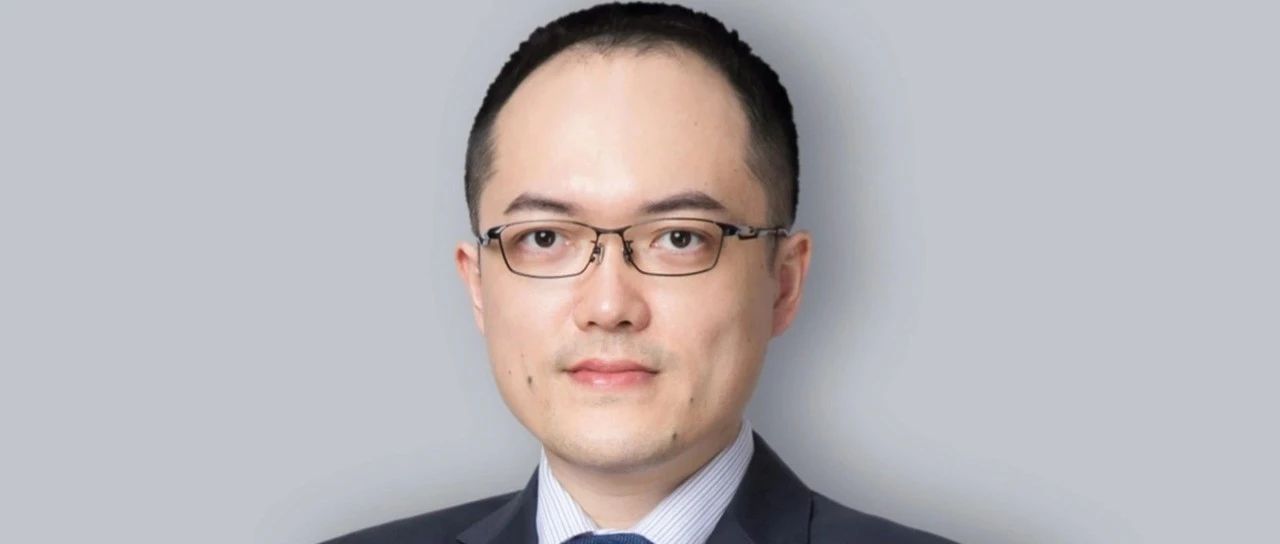
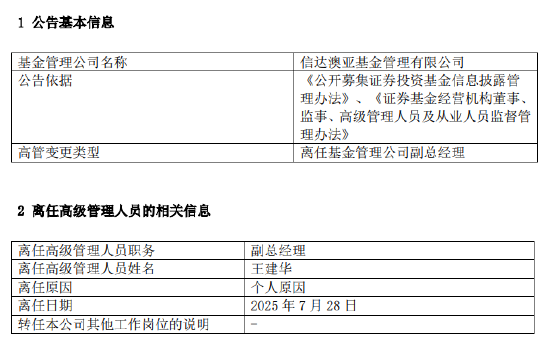
官宣!王建华离任!信达澳亚一年六位高管变动,千亿规模治理迷局待解
Xin Lang Ji Jin· 2025-07-30 03:31
Core Viewpoint - The resignation of Wang Jianhua, the Deputy General Manager of Xinda Australia Fund, highlights ongoing management instability and strategic adjustments within the company, marking the fifth departure of a deputy general manager in the past year [1][4][12] Management Changes - Wang Jianhua resigned for personal reasons, effective July 28, 2025, after serving as Deputy General Manager for 4 years and 121 days [1][3] - His departure is part of a broader trend of high-level management changes at Xinda Australia Fund, with six executives leaving in the past year, indicating a shift towards a "de-administrative" structure in the investment research team [4][6] Performance and Challenges - Wang's tenure saw poor performance in the funds he managed, with total returns of -20.31% and -33.26% for specific mixed-asset products, ranking in the bottom 10% of similar products [4] - The company has faced significant challenges, including a 25.05% reduction in asset size from 1,374.51 billion to 1,030.1 billion, primarily due to a high reliance on money market funds [7][9] Governance and Financial Performance - The governance structure is under scrutiny following the transfer of control to Central Huijin, which may lead to strategic changes [9] - The company's net profit dropped over 50% from 2.13 billion in 2022 to 1.01 billion in 2024, despite an increase in asset size, indicating a contradiction between growth and profitability [9][10] Industry Context - The trend of high executive turnover is not unique to Xinda Australia Fund, as other firms in the industry are also experiencing similar shifts towards a focus on investment research rather than administrative roles [11] - The company’s average tenure for fund managers is 4.5 years, below the industry average, reflecting ongoing adjustments in talent management [11]

招商基金三首席同日上任!“去管理化”浪潮下高管密集换防为哪般
Sou Hu Cai Jing· 2025-06-02 06:18
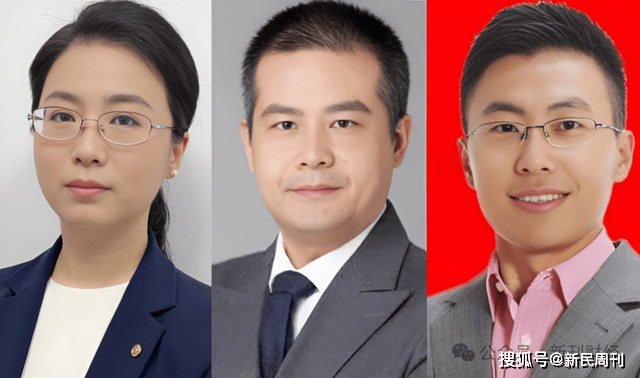
Core Insights - The recent appointment of Zhu Hongyu and Wang Jing as senior executives at China Merchants Fund is a notable move in an industry where many firms are reducing management layers, indicating a commitment to research and investment capabilities [1][3][7] - The company has experienced significant turnover in its investment research talent, with nine fund managers leaving in the past year, prompting the need for internal promotions to stabilize the team [7][8] Group 1: Executive Appointments - China Merchants Fund appointed Zhu Hongyu, Wang Jing, and Chen Fangyuan as company chiefs, a rare large-scale executive change in the industry [1][3] - Zhu Hongyu and Wang Jing were previously in roles as Chief Research Officer and Assistant General Manager, respectively, while Chen Fangyuan served as Chief Institutional Business Officer [3] Group 2: Performance Metrics - Zhu Hongyu manages funds with a total scale of 50.80 billion yuan, achieving a return of 45.61% for the "China Merchants Core Competitiveness" fund, ranking 222 out of 2878 similar products [4] - Wang Jing manages funds totaling 60.67 billion yuan, but has faced challenges with significant losses in several products, including a 41.90% decline in the "China Merchants Jin'an Growth Select" fund [4][5] Group 3: Industry Context - The public fund industry has seen a trend of senior fund managers resigning due to performance pressures and administrative burdens, contrasting with China Merchants Fund's strategy of promoting from within [3][7] - The company has reported stagnant revenue and profit figures over the past few years, with operating income of 57.57 billion yuan in 2022, 52.94 billion yuan in 2023, and 53.08 billion yuan in 2024, alongside net profits of 18.13 billion yuan, 17.53 billion yuan, and 16.5 billion yuan respectively [7]
张坤卸任副总,易方达告别“明星挂帅”时代
YOUNG财经 漾财经· 2025-05-19 11:32
Core Viewpoint - The departure of Zhang Kun from the position of Vice President at E Fund marks the end of an era dominated by star fund managers, reflecting a shift in the company's management strategy and a response to performance pressures in the market [2][4][5]. Management Changes - Zhang Kun's resignation is part of a broader trend where star fund managers are stepping down from executive roles to focus on investment management, following similar departures of Xiao Nan and Chen Hao earlier this year [3][4][19]. - E Fund's management adjustments signify a strategic shift from a "star-driven" model to a more team-oriented and professional investment approach, emphasizing the importance of investment capabilities over individual star power [19][21]. Performance Analysis - Over the nearly five years of Zhang Kun's tenure as Vice President, his managed funds have seen a cumulative return of -11.22%, underperforming the CSI 300 Index, which had a return of -1.7% during the same period [7][18]. - The performance of Zhang Kun's flagship fund, E Fund Blue Chip Selection, experienced significant volatility, with a peak net value increase of 162% followed by a decline of over 56% [8][12]. Fund Management Strategy - Zhang Kun's investment strategy has evolved to focus more on risk management and sustainable business models, while still adhering to a long-term value investment philosophy [11][21]. - The shift in focus has led to increased attention on emerging industries and sectors, such as women's consumption and logistics, in response to changing market conditions [11][21]. Industry Trends - The trend of star fund managers stepping down from executive roles is indicative of a broader "de-administrative" movement within the public fund industry, with over 100 fund managers making similar transitions since 2024 [20][22]. - Regulatory changes are also influencing this trend, as new guidelines encourage fund managers to prioritize long-term investment returns, further supporting the shift towards a more collaborative and research-driven investment environment [22].