县城消费升级

Search documents
县城消费,正在快速升级
Sou Hu Cai Jing· 2025-11-20 15:40
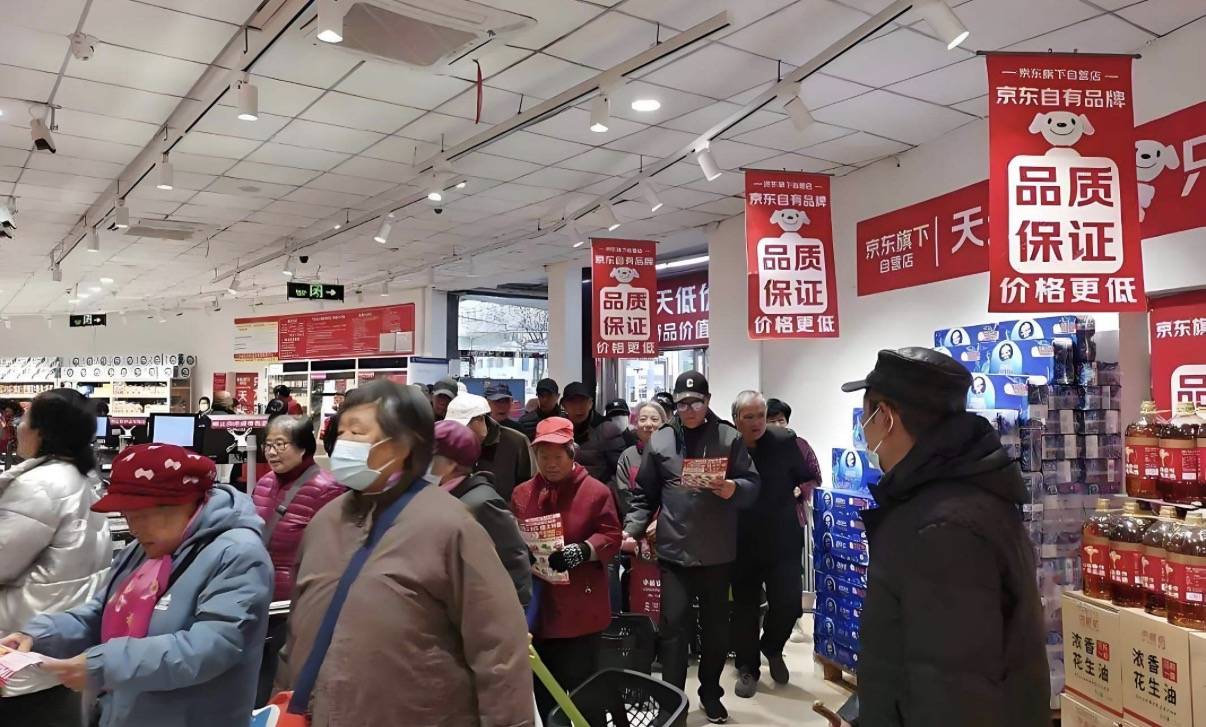
Group 1 - The core viewpoint is that China's county-level consumption market is undergoing a significant value transformation, highlighted by JD's opening of discount supermarkets and the impressive customer turnout [1][3] - JD has strategically targeted the core pain points of county workers by offering extreme low prices, contrasting with the mainstream "small and refined" discount stores, and has created a "county version of Sam's Club" with large store sizes and extensive product offerings [3][5] - The pricing strategy includes attractive deals such as 24 bottles of purified water for 7.99 yuan and 10 kilograms of flour for 14.99 yuan, appealing to budget-conscious families in county areas [3][5] Group 2 - Vipshop is focusing on upgrading the "wardrobe" of county residents through its "brand + discount" model, which has garnered a loyal following among young people in small towns [5] - In Q3, Vipshop's performance showed over 20% year-on-year growth, with active SVIP users contributing 51% of online sales, indicating strong user engagement [5] - The platform has established a robust discount experience and addressed consumer concerns about product authenticity by implementing a comprehensive inspection system for luxury goods, enhancing consumer confidence [5][7] Group 3 - The overall trend indicates that the consumption upgrade in China's county areas is not about purchasing more expensive items, but rather about obtaining better and more dignified living standards at more affordable prices [7] - This consumption wave, led by major enterprises, is just beginning, signaling a shift in consumer behavior and market dynamics in county-level markets [7]

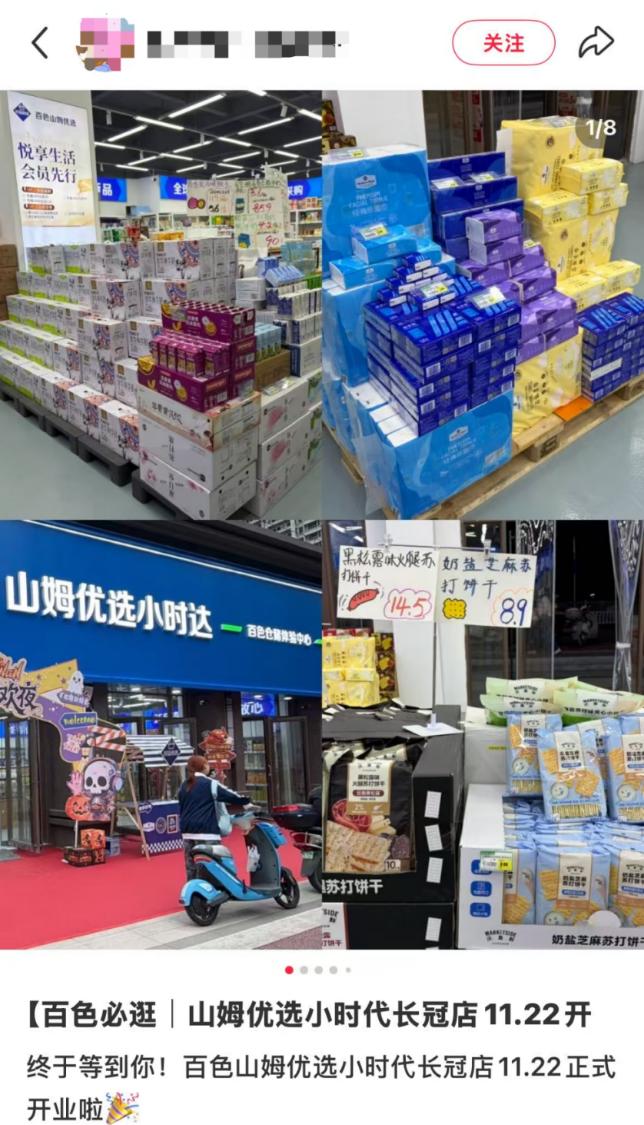
溢价100%的山寨山姆,挤满了想花钱的县城中产
3 6 Ke· 2025-11-20 03:36
Core Insights - The article discusses the expansion of Sam's Club into smaller cities through the establishment of "Sam's Preferred Supermarkets" and "Sam's Selected Hourly Delivery" services, which cater to local consumers without requiring a membership fee [1][2][5]. Group 1: Business Model and Strategy - Sam's Club is adapting its business model by creating smaller, community-based stores that mimic the experience of its larger membership warehouses, allowing consumers to access products without the membership fee [1][4][5]. - The new stores maintain a simplified and bright design, offering a "warehouse experience" while being smaller than traditional Sam's Club locations [4][5]. - The article highlights the rise of individual resellers who purchase products from Sam's Club and sell them in smaller quantities to local consumers, indicating a growing market for Sam's products in smaller cities [15][16][20]. Group 2: Consumer Behavior and Market Dynamics - Consumers in smaller cities are increasingly interested in premium products, leading to a demand for Sam's Club items, which are often sold at a significant markup by resellers [22][27]. - The article notes that the perception of Sam's Club as a symbol of a better lifestyle is prevalent among middle-class consumers in smaller cities, who are willing to pay higher prices for the brand's products [28][30]. - There is a growing trend of community-based group buying, where individuals pool resources to purchase Sam's products, reflecting a shift in consumer behavior towards collaborative purchasing [12][14][16]. Group 3: Challenges and Concerns - The article raises concerns about the quality control of products sold through resellers, as there have been reports of spoiled goods and potential counterfeit products [14][32]. - Sam's Club's parent company, Walmart China, has stated that it does not endorse these reseller practices, yet the reality on the ground shows a blurred line between official and unofficial sales channels [23][25]. - The potential for brand dilution and reputational risk is highlighted, as the proliferation of unregulated resellers could impact consumer trust in the Sam's Club brand [30][32].