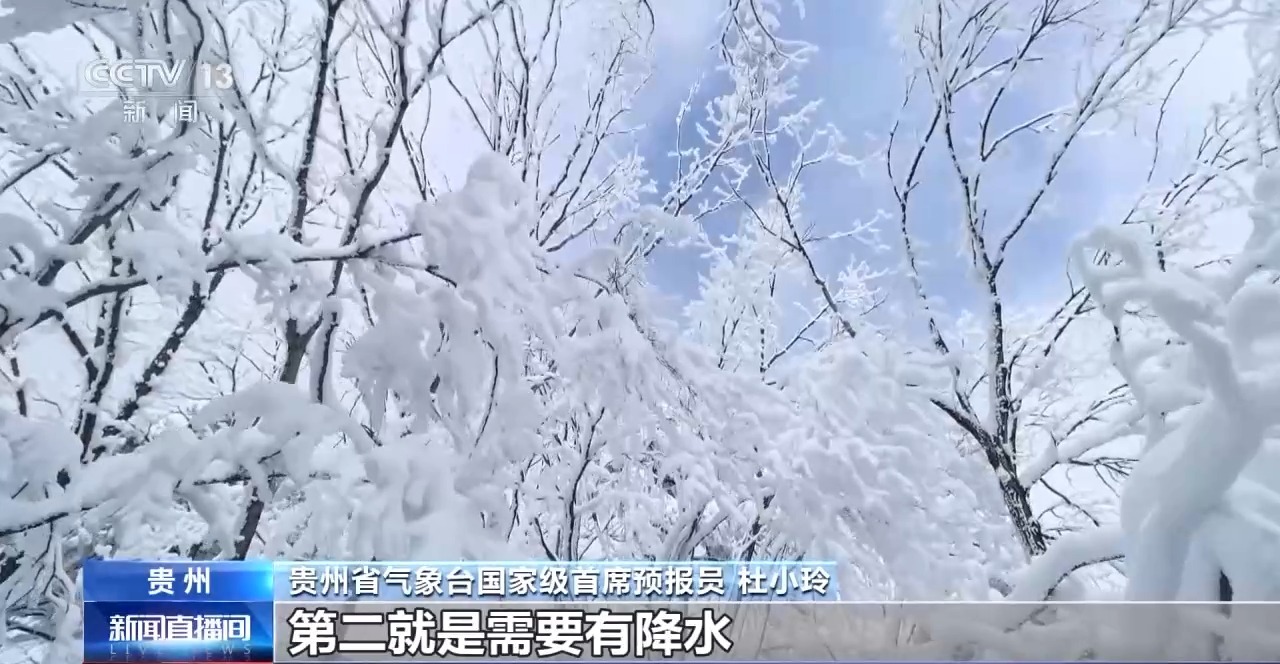
双重拉尼娜事件

Search documents
我国已进入拉尼娜状态,今年冬天是冷还是热?
财联社· 2025-12-16 08:59
Core Viewpoint - The article discusses the current La Niña phenomenon in China, its implications for winter weather, and the potential for drought conditions in the winter and spring seasons [1][5][7]. Group 1: La Niña Status and Events - La Niña is characterized by a significant and sustained cooling of sea surface temperatures in the central and eastern equatorial Pacific [1][3]. - The La Niña state is defined by the Niño 3.4 index falling below -0.5°C for at least five consecutive months to be classified as a La Niña event [3]. - La Niña phenomena occur every two to seven years, with increased frequency in recent years attributed to complex global warming mechanisms [3]. Group 2: Weather Predictions and Impacts - The current La Niña state is expected to lead to reduced precipitation in southern China, particularly in December, with a higher likelihood of cold air events causing temperature fluctuations [5][8]. - Experts predict a low probability of a double La Niña event this winter, which refers to consecutive winters experiencing La Niña conditions [3][7]. - The article highlights that while La Niña can influence winter temperatures, it is not the sole determinant, as other factors like Arctic sea ice and atmospheric circulation also play significant roles [8][9]. Group 3: Specific Regional Impacts - The likelihood of winter drought conditions in East and South China is noted, with potential for significant impacts on agriculture and water resources [7][10]. - In regions like Guizhou, which frequently experiences freezing rain, the probability of widespread low-temperature rain and snow events this winter is expected to be relatively low [12]. - The article emphasizes the need for preparedness against low-temperature and freezing rain disasters, particularly in high-risk areas [10].

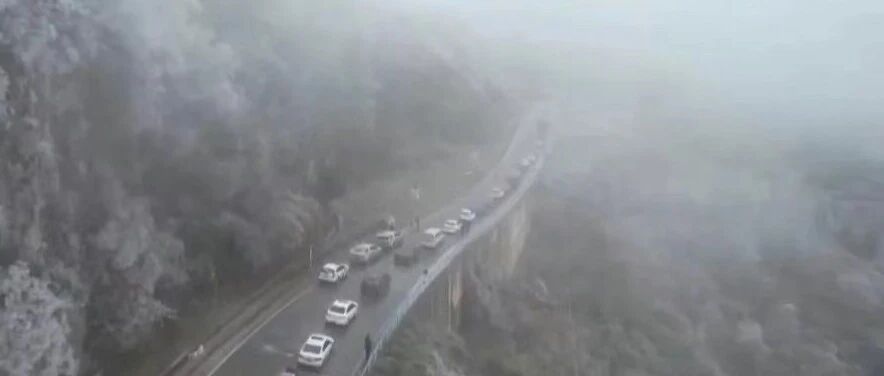
我国进入拉尼娜状态,今年冬天到底是冷还是热?
中国基金报· 2025-12-15 16:00
Group 1 - The article discusses the current La Niña phenomenon, which indicates a significant cooling of sea surface temperatures in the eastern and central equatorial Pacific, with China entering a La Niña state as of October this year [2][3]. - La Niña status is defined by the NINO 3.4 index falling below -0.5°C, while a La Niña event requires this condition to persist for five consecutive months [5][6]. - The article highlights that La Niña can lead to increased climate anomalies, with historical occurrences of "double La Niña" events noted in 2000, 2011, and 2021, which have been linked to extreme weather patterns [7]. Group 2 - Experts predict that while a double La Niña event is unlikely this winter, the ongoing La Niña status may still influence China's climate, particularly with a higher probability of reduced precipitation in southern regions [8][10]. - The article mentions that La Niña is often associated with colder winters, but this year may not follow that trend, as the overall temperature is expected to be close to or slightly above normal, with significant fluctuations [11]. - The potential for winter-spring droughts in eastern and southern China is highlighted, with predictions of increased cold air activity leading to temperature swings [10][11].

今年10月,我国已经进入拉尼娜状态
Yang Shi Xin Wen· 2025-12-15 08:01
Group 1: La Niña Phenomenon - The La Niña phenomenon refers to the significant and sustained cooling of sea surface temperatures in the eastern and central equatorial Pacific Ocean, with China entering a La Niña state in October this year [1] - La Niña state does not equate to a La Niña event; a La Niña event is defined by the NINO 3.4 index remaining below -0.5 degrees Celsius for five consecutive months [2] - The probability of a double La Niña event occurring this winter is low, despite the ongoing La Niña state having some impact on China's climate [2] Group 2: Impact on Weather Patterns - La Niña directly influences weather by generating a cyclonic circulation anomaly over the Northwest Pacific and South China Sea, leading to prevailing northeast winds that suppress moisture transport to eastern and southern China, potentially causing drought conditions [4] - The expected winter conditions in regions like East and South China may lead to prolonged dry spells, particularly in the winter-spring period [4] Group 3: Freezing Rain and Its Effects - Freezing rain is a hazardous winter weather phenomenon where liquid rain freezes upon contact with surfaces below 0 degrees Celsius, posing risks to transportation, power supply, and daily life [5] - The formation of freezing rain requires two key conditions: sufficiently low temperatures (between -8 to 0 degrees Celsius near the ground) and the presence of precipitation [7] - Freezing rain can lead to the formation of ice layers on power lines and trees, increasing the risk of power outages and damage to vegetation [10] Group 4: Regional Analysis of Freezing Rain - Guizhou province experiences the highest frequency of freezing rain in China, with the winter months from December to February being the peak period for such weather [13] - This winter, the probability of widespread freezing rain in Guizhou is expected to be lower than usual, with average temperatures projected at 7.1 degrees Celsius [15] - The distribution of freezing rain in Guizhou shows a pattern where western regions experience more occurrences due to higher altitudes and stable weather systems [16][18]
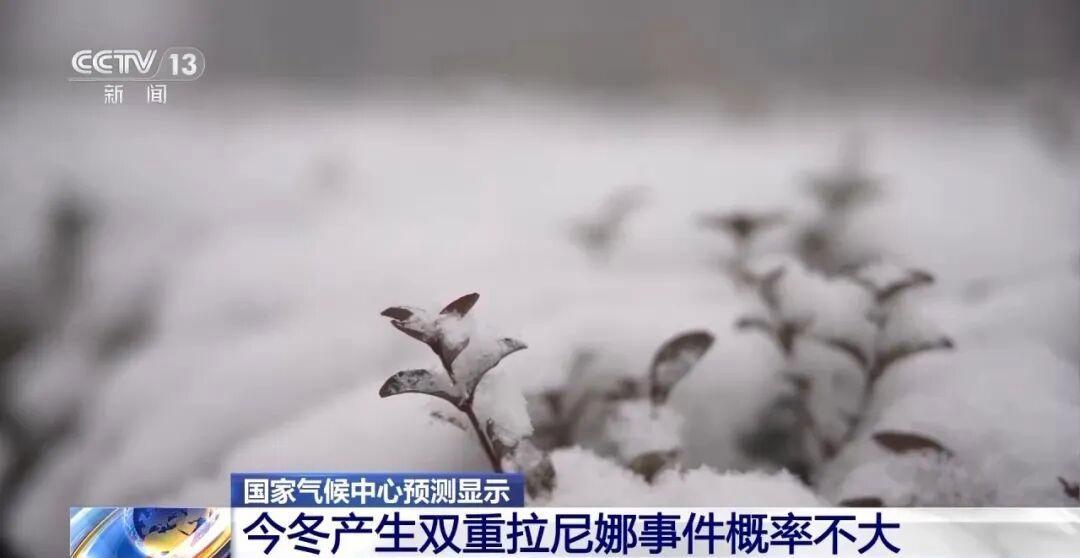
我国已经进入拉尼娜状态
财联社· 2025-12-15 02:35
Group 1 - The core viewpoint of the article discusses the current La Niña state in China, which is characterized by a significant and sustained cooling of sea surface temperatures in the eastern and central equatorial Pacific. The article highlights that while China has entered a La Niña state as of October, this does not equate to a La Niña event, which requires the NINO 3.4 index to remain below -0.5 degrees Celsius for five consecutive months [1][4][19] - The article explains that a "double La Niña" refers to the occurrence of La Niña events in consecutive winters, rather than two events within the same year. The probability of a double La Niña event occurring this winter is considered low, although the ongoing La Niña state will still impact China's climate [4][19][21] - The direct impact of La Niña includes the development of a cyclonic circulation anomaly over the Northwest Pacific and the South China Sea, leading to prevailing northeast winds that suppress moisture transport. This is expected to result in below-average precipitation in eastern and southern China, with predictions of winter-spring droughts in regions like East and South China [6][19] Group 2 - The article provides a detailed explanation of freezing rain, a common winter weather phenomenon that occurs when supercooled water droplets freeze upon contact with surfaces below 0 degrees Celsius. The formation of freezing rain requires two key conditions: sufficiently low temperatures near the ground and the presence of precipitation [7][11] - It distinguishes between freezing rain and rime ice, noting that while freezing rain is a specific type of precipitation, rime ice is a result of freezing rain. The potential for freezing rain to cause damage is significantly higher than that of rime ice due to its weight and the conditions under which it forms [12][14] - The article identifies Guizhou as the province most affected by freezing rain in China, with the highest frequency and severity of occurrences. It notes that the winter months from December to February are peak periods for freezing rain, and despite the La Niña state, the probability of widespread freezing rain in Guizhou this winter is expected to be relatively low [16][21]

拉尼娜状态下今冬气候如何?专家:可能出现冬春连旱
Yang Shi Xin Wen Ke Hu Duan· 2025-12-15 02:17
Group 1: La Niña Phenomenon - The La Niña phenomenon refers to the significant and sustained cooling of sea surface temperatures in the eastern and central equatorial Pacific Ocean, with China entering a La Niña state in October this year [1] - A La Niña state does not equate to a La Niña event; a La Niña event is recognized only when the NINO 3.4 index remains below -0.5 degrees Celsius for five consecutive months [1] - The probability of a double La Niña event occurring this winter is low, despite the ongoing La Niña state having some impact on China's climate [1] Group 2: Impact on Weather Patterns - La Niña directly influences weather by generating a cyclonic circulation anomaly over the Northwest Pacific and South China Sea, leading to prevailing northeast winds that suppress moisture transport to eastern and southern China [2] - This suppression may result in below-average precipitation in regions such as East and South China, with predictions indicating potential winter-spring droughts in these areas [2] Group 3: Freezing Rain and Its Effects - Freezing rain is a hazardous winter weather phenomenon where liquid rain freezes upon contact with surfaces below 0 degrees Celsius, creating ice that poses risks to transportation, power supply, and daily life [3] - The formation of freezing rain requires two key conditions: sufficiently low temperatures near the ground and the presence of precipitation, typically occurring when a warm layer exists above freezing temperatures [5] - Freezing rain can lead to significant hazards, including power line breakage and damage to vegetation, with rain ice (凇) being more destructive than fog ice (雾凇) due to its weight [7] Group 4: Regional Analysis of Freezing Rain - Guizhou Province experiences the highest frequency of freezing rain in China, with the peak season from December to February, although this winter's probability of widespread freezing rain is relatively low [10] - The average temperature in Guizhou is expected to be 7.1 degrees Celsius this winter, with a lighter incidence of freezing disasters compared to historical averages [10] - The distribution of freezing rain in Guizhou is influenced by its unique topography and stable weather systems, with higher occurrences in the western and central regions due to lower temperatures at higher altitudes [11]