双重绞杀

Search documents
50%关税一夜砍到18%?美印交易不简单,背后藏着对中俄的双重绞杀
Sou Hu Cai Jing· 2026-02-06 05:14
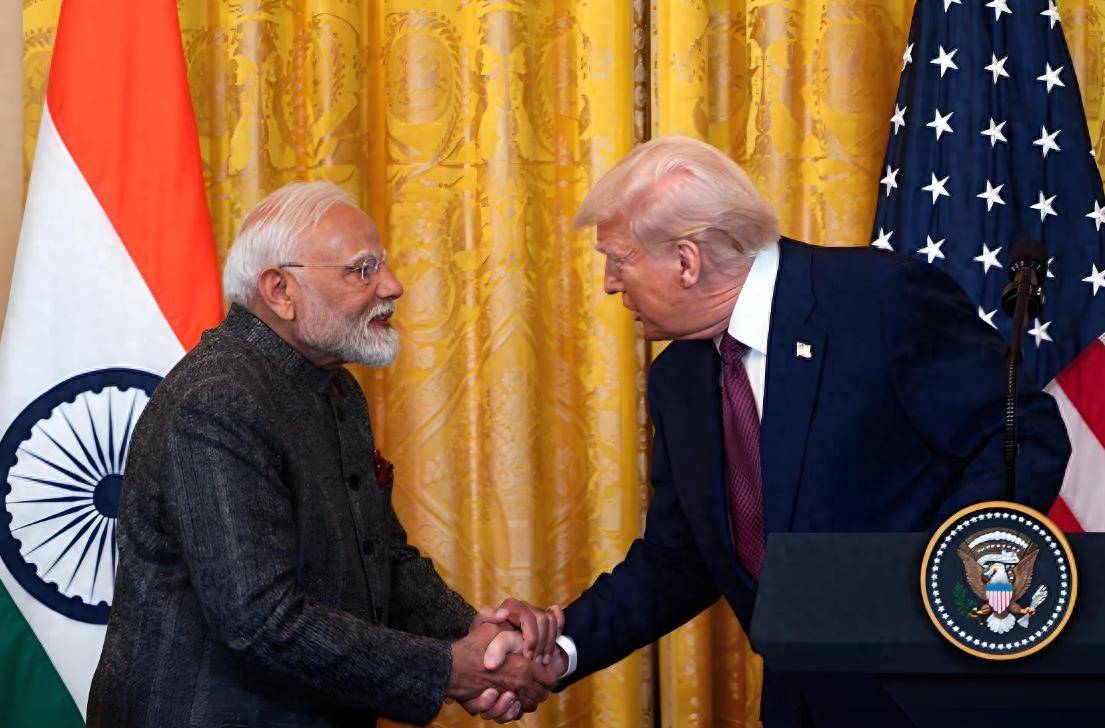
Group 1 - The core of the recent trade agreement between the US and India involves a significant reduction of tariffs on Indian goods from 50% to 18%, while India commits to cease purchasing Russian oil, which is seen as a strategic move against China and Russia [1][3] - The reduction in tariffs is expected to provide relief to Indian exporters, who have been struggling under high tariffs, and is a response to the pressure faced by the Modi government due to falling stock markets and foreign capital withdrawal [3] - The US aims to control the oil supply chain by promoting Venezuelan oil as an alternative to Russian oil for India, but this comes with strict payment and regulatory conditions imposed by the US [3][5] Group 2 - The US's strategy includes encouraging India to pivot away from Russian energy dependence, which could significantly impact Russia's revenue, potentially costing it billions in daily earnings [3] - The US is also attempting to draw China into this geopolitical maneuver by inviting it to purchase Venezuelan oil under similar conditions, which would undermine China's energy security and its strategic partnership with Russia [5] - The broader context of this agreement is part of the US's Indo-Pacific strategy, which seeks to reshape global supply chains and reduce reliance on China, indicating a dual approach to counter both China and Russia [5][9] Group 3 - China has responded firmly, asserting that Venezuela is a sovereign nation and that the US cannot dictate oil trade, emphasizing the long-standing energy cooperation between China and Russia [6] - The article suggests that the US's attempts to isolate China and Russia through economic means may not succeed, as global interdependencies are complex and not easily severed [9] - The ultimate takeaway is that countries that maintain their strategic focus and build strong cooperative networks will emerge as the true winners in this geopolitical landscape [9]