高科技产品

Search documents
岘港发布《关于落实<2026-2030年科技发展方案>》的计划》
Shang Wu Bu Wang Zhan· 2026-02-13 17:10
Core Insights - Da Nang City has launched a plan to implement the "2026-2030 Da Nang City Technology Development Plan and 2035 Vision" with a total investment of over 1,320 billion VND (approximately 40 million RMB) aimed at promoting digital transformation, innovation, and technological infrastructure development [1][2] Group 1: Investment and Economic Development - The plan focuses on enhancing policy mechanisms to promote applied research, develop high-tech products, and support enterprise reform and innovation by 2026 [1] - The initiative aims to strengthen the entrepreneurial innovation ecosystem by introducing various incentives to attract investment and foster the growth of startups [1] Group 2: Technological Infrastructure - Da Nang will prioritize the development of high-tech research, production, and application systems, including an AI laboratory, advanced chip packaging technology testing lab, and innovation space [2] - The plan includes expanding broadband internet coverage and improving telecommunications infrastructure to enhance information technology applications in management, public services, and business operations [1][2]
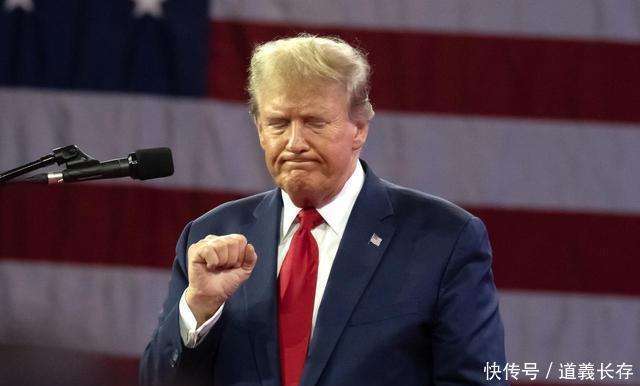
美国要的是服从和订单,印度换来喘息空间,莫迪终究是腿软了
Sou Hu Cai Jing· 2026-02-07 11:24
Core Viewpoint - The recent announcement of the U.S. reducing tariffs on Indian goods from 50% to 18% appears beneficial for India, but it comes with significant conditions that may pose risks for the Indian economy and political landscape [1][3]. Group 1: U.S.-India Tariff Negotiations - The U.S. requires India to commit to not purchasing Russian oil and to present a procurement list exceeding $500 billion for U.S. energy, weapons, agricultural products, and high-tech goods [3]. - The U.S. aims to leverage India's position to reduce Russian oil exports while potentially increasing Venezuelan oil sales [3][5]. Group 2: India's Domestic and International Challenges - India's Prime Minister Modi's response to the tariff reduction was positive, but he avoided addressing the critical condition of ceasing Russian oil purchases, indicating potential domestic backlash [3][7]. - Following the announcement, foreign investors began selling off Indian stocks and sovereign bonds, reflecting concerns over the risks associated with the diplomatic concessions made by India [5]. Group 3: Agricultural Sector Implications - The opening of India's agricultural market to U.S. products could severely impact local farmers and the agricultural industry, leading to significant political repercussions for Modi's government [7][9]. - The opposition has criticized the government for compromising national interests, questioning the independence of India's foreign policy [7][9]. Group 4: Market Reactions and Future Outlook - The reduction in tariffs does not equate to a reduction in risks, as foreign capital withdrawal indicates a loss of confidence in India's economic stability [5][9]. - The complexities of the agreement suggest that while tariffs may be lowered, the underlying challenges for India in balancing international relations and domestic pressures remain significant [9].

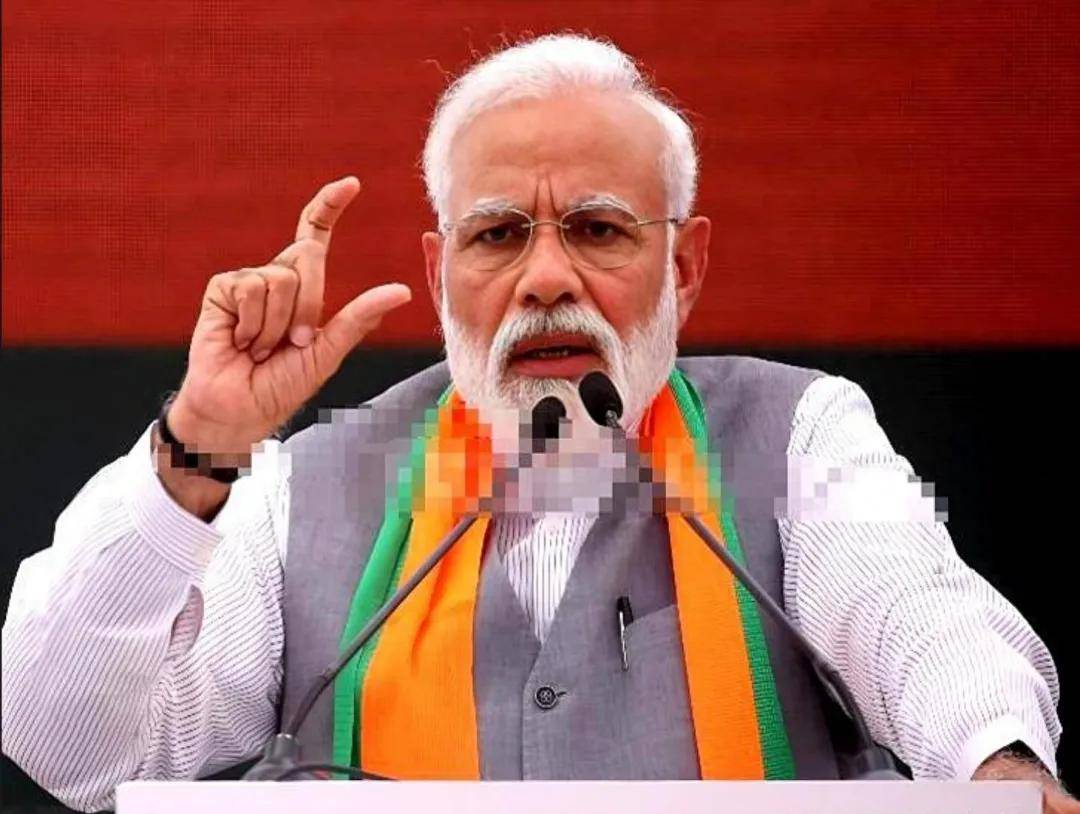
50%关税一夜砍到18%?美印交易不简单,背后藏着对中俄的双重绞杀
Sou Hu Cai Jing· 2026-02-06 05:14
Group 1 - The core of the recent trade agreement between the US and India involves a significant reduction of tariffs on Indian goods from 50% to 18%, while India commits to cease purchasing Russian oil, which is seen as a strategic move against China and Russia [1][3] - The reduction in tariffs is expected to provide relief to Indian exporters, who have been struggling under high tariffs, and is a response to the pressure faced by the Modi government due to falling stock markets and foreign capital withdrawal [3] - The US aims to control the oil supply chain by promoting Venezuelan oil as an alternative to Russian oil for India, but this comes with strict payment and regulatory conditions imposed by the US [3][5] Group 2 - The US's strategy includes encouraging India to pivot away from Russian energy dependence, which could significantly impact Russia's revenue, potentially costing it billions in daily earnings [3] - The US is also attempting to draw China into this geopolitical maneuver by inviting it to purchase Venezuelan oil under similar conditions, which would undermine China's energy security and its strategic partnership with Russia [5] - The broader context of this agreement is part of the US's Indo-Pacific strategy, which seeks to reshape global supply chains and reduce reliance on China, indicating a dual approach to counter both China and Russia [5][9] Group 3 - China has responded firmly, asserting that Venezuela is a sovereign nation and that the US cannot dictate oil trade, emphasizing the long-standing energy cooperation between China and Russia [6] - The article suggests that the US's attempts to isolate China and Russia through economic means may not succeed, as global interdependencies are complex and not easily severed [9] - The ultimate takeaway is that countries that maintain their strategic focus and build strong cooperative networks will emerge as the true winners in this geopolitical landscape [9]
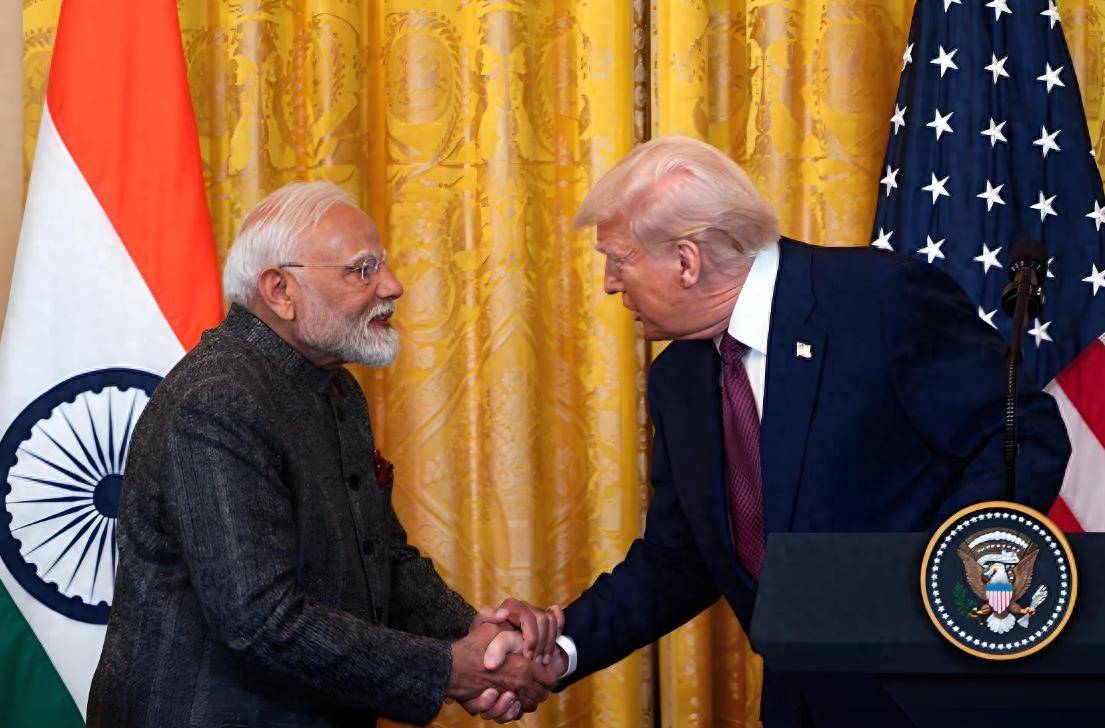
越南贸易部长称该国愿意增加美国商品采购
Jin Rong Jie· 2026-02-04 02:55
Group 1 - The core viewpoint of the article is that Vietnam is willing to increase its procurement of American goods, particularly in the machinery and high-tech sectors [1] - The sixth round of tariff negotiations between Vietnam and the United States has commenced in Washington this week [1]
为什么失去了美国市场,中国的贸易顺差仍然是世界第一?
Sou Hu Cai Jing· 2026-01-25 14:14
Core Insights - The US-China trade relationship remains the most significant trade relationship globally, with China's trade surplus expected to reach approximately $1.2 trillion by 2025, despite a notable decline in exports to the US [1][3] - In 2025, China's exports to the US are projected to drop to $420 billion, marking the largest decline since 1994, while imports from the US will be around $139.7 billion, resulting in a trade surplus of $280 billion with the US [1][3] - The decrease in trade with the US has been offset by increased trade with other regions, particularly ASEAN and the EU, which have become major trade partners for China [3][4] Trade Surplus Analysis - In 2025, ASEAN is expected to become China's largest trading partner with a total trade volume of $1.05 trillion, while the EU will follow closely with $828.1 billion, collectively accounting for 32.3% of China's total exports [4] - Trade surpluses with emerging markets such as Vietnam, India, the Netherlands, and Mexico are projected to exceed $200 billion each, indicating a shift in trade dynamics [4] - China's trade surplus with the US is now only 23.5% of its total trade surplus, highlighting a diversification in trade relationships [1][3] Profitability Concerns - Despite record trade surpluses, profits for large industrial enterprises in China grew by only 0.1% in the first eleven months of 2025, indicating that increased sales do not necessarily translate to higher profits [6] - The competitive environment, particularly with ASEAN and Southeast Asia, has intensified, leading to price pressures that affect profitability [6] - The disconnect between macroeconomic growth and individual consumer experiences suggests that while trade volumes are high, the benefits are not being felt at the consumer level [6] Indirect Trade Relationships - China's trade surplus is indirectly supported by its relationships with countries like Vietnam and Mexico, which benefit from trade with the US, thus contributing to China's overall trade surplus [12] - The concept of indirect trade suggests that while direct trade with the US has decreased, the overall impact on China's trade surplus remains positive due to these indirect channels [12]

从格陵兰到高关税:欧洲“离不开”美国了吗?难以招架美国压力?
Sou Hu Cai Jing· 2026-01-24 14:58
Group 1 - The core issue revolves around the geopolitical struggle between the US and the EU over Greenland, highlighting a shift in transatlantic relations [1][13] - The US is applying pressure through tariffs to gain special rights in Greenland, while the EU's response is characterized by strong rhetoric but weak actions [3][9] - The EU's economic dependency on the US, with a bilateral trade volume exceeding €700 billion annually, limits its ability to respond effectively to US threats [3] Group 2 - Greenland holds significant strategic value for the US due to its rich mineral resources, including world-class rare earth deposits and potential oil and gas reserves [6][8] - The control of Arctic shipping routes is becoming increasingly important, with Greenland positioned at a critical juncture for future Eurasian trade [8] - The US aims to secure resource development rights and influence over shipping regulations rather than territorial annexation, thereby consolidating its strategic advantage [8] Group 3 - The EU's internal divisions, stemming from the differing interests of its 27 member states regarding Arctic affairs, hinder a unified response to US pressure [5] - The most likely outcome is that the EU will make substantive concessions while maintaining a facade of sovereignty, seeking a "face-saving" resolution [9][11] - Potential concessions may include granting resource development rights to US companies, yielding rule-making authority in Arctic negotiations, and tacitly allowing an expanded US military presence in Greenland [11]

中国_2025 年贸易收尾强劲;对 2026 年出口持谨慎观点,但上行潜力仍存-China_ trade ended 2025 strongly; we hold a cautious view on 2026 exports, yet upside potential endures
2026-01-20 01:50
Summary of Key Points from the Conference Call Industry Overview - **Industry**: Greater China Economic Outlook - **Date**: 16 January 2026 Core Insights 1. **Export Performance**: - China's headline export growth accelerated to 6.6% year-on-year in December, exceeding expectations, primarily driven by gains in emerging markets, particularly ASEAN, which saw a 4.3% month-on-month increase. Exports to the EU and US remained flat, while exports to Japan declined [4][19] - The overall trade surplus for 2025 reached a record high of US$1.2 trillion, supported by gains from ASEAN, Africa, EU, Latin America, and India, despite losses from the US [4] 2. **Import Dynamics**: - Imports rebounded with a surprising 3.9% month-on-month increase in December, led by a 10.4% rise in imports from the EU and a 7.3% increase from Korea, indicating strengthening trade relationships [4][20] - The increase in imports reflects efforts to ease external pressures amid recent diplomatic engagements [4] 3. **Monetary Policy**: - The People's Bank of China (PBOC) announced structural monetary easing measures, including a 25 basis point rate cut across various policy tools and an expansion of relending quotas to support agriculture and SMEs [10][14] - Loan growth stabilized at 6.4% year-on-year in December, with new loan creation matching forecasts at 910 billion yuan, indicating a temporary pause in the downtrend observed since early 2023 [9][21] 4. **Economic Growth Forecast**: - For 2026, a cautious outlook for China's exports is anticipated, with nominal export growth expected to slow to 3.4% year-on-year from 5.5% in 2025. The contribution of net exports to GDP growth is projected to decrease from 1.1 percentage points to 0.6 [6][11] - The trade surplus is expected to narrow from 6.1% to 5.7% of GDP [6] 5. **Sector-Specific Insights**: - The PBOC's easing measures are expected to primarily benefit targeted sectors, with a focus on supporting policy-driven areas and weaker economic segments [12][14] - The loan mix showed a rebound in corporate loans, particularly short-term and bill financing, while household loans continued to contract [9] Additional Important Points 1. **Global Economic Context**: - Global growth is tracking stronger than expected, which may provide a firmer external demand for Chinese exports despite rising trade barriers [8] - Scheduled high-level engagements between US and Chinese leadership may help maintain bilateral stability [8] 2. **Taiwan Trade Developments**: - Taiwan successfully negotiated lower reciprocal tariffs with the US, which could positively impact its semiconductor industry, a significant component of its exports [15] 3. **Upcoming Data Releases**: - Anticipated data releases include GDP, industrial production, retail sales, and fixed asset investment for China, as well as consumer price index data for Hong Kong and export orders for Taiwan [11][17] This summary encapsulates the key insights and data points from the conference call, providing a comprehensive overview of the current economic landscape in Greater China and its implications for future growth and investment opportunities.

第一创业晨会纪要-20260115
First Capital Securities· 2026-01-15 03:45
Macro Economic Group - In December, China's exports in RMB terms grew by 5.2% year-on-year, down from 5.7% in November, while imports increased by 4.4%, up from 1.7% in November [4] - In USD terms, December exports grew by 6.6%, significantly above the Wind forecast of 2.2%, and imports rose by 5.7%, also exceeding the forecast of -0.3% [4] - The trade surplus for December was $114.1 billion, surpassing the Wind expectation of $105.4 billion and the previous month's surplus of $111.7 billion [4] - For the full year of 2025, China's total trade volume increased by 6.2%, with exports growing by 5.5% and imports remaining flat at 0% [5] - The trade surplus for 2025 reached $1,189 billion, a 19.8% increase from the previous year [5] Industry Comprehensive Group - Zhejiang Huazheng New Materials (603186.SH) announced a projected net profit of RMB 260 million to 310 million for 2025, marking a turnaround from losses, primarily due to compensation received for land and property relocation [9] - Excluding non-recurring items, the expected net profit for 2025 is RMB 60 million to 90 million, with the fourth quarter's net profit estimate at RMB 25 million, the highest quarterly profit for the year [9] - The PCB industry is expected to see high growth due to increased profitability from rising prices of copper-clad laminates [9] Advanced Manufacturing Group - The North American power grid is facing increased demand for capacity, driven by reliability concerns following incidents like transformer explosions [12] - Rising electricity prices in the U.S. since 2022 have heightened the importance of maintaining affordable rates for residential consumers, impacting data center expansion strategies [12] - The domestic large power transformer industry is expected to benefit from the increased demand for grid capacity and data center connections [12] Consumption Group - Dongpeng Beverage is entering the "A+H" dual listing process, aiming to raise approximately $1 billion, with expectations of maintaining over 30% revenue and profit growth [15] - The funds raised will be allocated to capacity expansion, supply chain improvements, brand development, and Southeast Asian market penetration [15] - The company is positioned as a leading player in the functional beverage market, with a focus on enhancing its growth and global presence [15]
外媒积极评价中国经济活力与韧性:回升向好态势进一步增强
Yang Shi Wang· 2025-12-12 06:51
Group 1 - The World Bank, IMF, and ADB have raised their economic growth forecasts for China, indicating a strengthening and positive trend in the Chinese economy [1][4][12] - The World Bank's latest economic report highlights that China's economic performance is better than initial expectations, with a more diversified export market [4][12] - China's proactive fiscal policy and moderately loose monetary policy have supported domestic consumption and investment, contributing to a long-term high growth potential [4][12] Group 2 - The reports from the World Bank and IMF emphasize that the Chinese government's macroeconomic policies are "more proactive" and "more predictable," creating a stable environment for economic growth [8][12] - Market confidence has rebounded, which is crucial for economic vitality, supported by China's tradition of developing and promoting growth plans [8][12] - Significant growth in private investment has been observed in sectors such as automotive manufacturing and transportation equipment, indicating a release of market vitality [8][12] Group 3 - Various institutions' upward adjustments reflect a dual affirmation of China's current economic performance and long-term development potential [12] - Targeted measures to expand domestic demand, including enhancing social security and increasing support for elderly care and childcare, are expected to improve mid-term growth prospects [12][15] - China is embracing a new growth model, driven by accumulated innovation momentum and sustained fiscal policy efforts, enhancing international confidence in the Chinese economy [12][15] Group 4 - China is actively promoting autonomous innovation in the artificial intelligence sector to strengthen internal economic dynamics [15] - The overall resilience of foreign trade remains strong, with a notable increase in high-tech product exports, positioning China to achieve an annual economic growth target of around 5% [15] - A robust and increasingly open China is expected to continue serving as a growth engine for the global economy and a favorable investment destination for businesses worldwide [15]
白宫宣布大胜,中方后退4步,话音刚落,美签下14亿美元稀土大单
Sou Hu Cai Jing· 2025-11-19 06:37
Group 1 - The article discusses the U.S. government's portrayal of a "major victory" in negotiations with China, highlighting four key commitments made by China, but questions the simplicity of this narrative [1][3] - The U.S. signed a $1.4 billion contract to build a rare earth magnet factory, primarily funded by the Department of Defense, indicating a need to reduce reliance on Chinese rare earths despite claims of victory [1][4] - The article suggests that the U.S. is anxious and insecure about its dependence on Chinese rare earths, as over 83% of refined rare earth products come from China, which are critical for U.S. military systems [4][5] Group 2 - The upcoming U.S. midterm elections are crucial for Trump, who needs a diplomatic "victory" to gain support, despite limited achievements in foreign policy [3][5] - The U.S. has made concessions in key areas, such as relaxing export restrictions on high-tech products to China and not imposing new tariffs, indicating a mutual compromise rather than a one-sided victory [3][4] - China's strategy in the rare earth market involves stricter export controls and investment in recycling technology, enhancing its influence while avoiding criticism for being overly aggressive [4][5] Group 3 - The U.S. faces significant challenges in establishing domestic rare earth processing facilities due to environmental regulations and political complexities, which may hinder its ability to catch up with China [5][7] - China's advancements in rare earth processing and technology, particularly in high-end applications like electric vehicles and robotics, position it favorably in the global market [5][7] - The article concludes that the U.S. government's narrative of victory is contradicted by its urgent investment in rare earth production, reflecting underlying anxiety rather than success [5][7]