反向思维

Search documents
摆脱焦虑最好的方式:一切反着来
洞见· 2025-12-02 12:35
Group 1 - The core idea of the article emphasizes the importance of letting go of unattainable desires and embracing a mindset of acceptance and freedom [9][10][19] - It suggests that anxiety often stems from the urgent need for certainty and outcomes, and encourages a shift in thinking to alleviate this anxiety [3][4][5] - The article illustrates that by releasing attachments to what cannot be controlled or retained, individuals can open themselves to new opportunities and experiences [20][21][30] Group 2 - The narrative includes a story about a traveler burdened by wealth and fame, who learns that letting go of these burdens can lead to a lighter, more fulfilling journey [25][27][29] - It discusses the pressures of societal expectations and the relief that comes from relinquishing titles and accolades, as exemplified by figures like Ji Xianlin and Picasso [30][31][32] - The article highlights the natural ebb and flow of relationships, advocating for graceful acceptance when connections fade, as illustrated by the experiences of Song Dandan and George Sand [36][41][42] Group 3 - The text addresses the difficulty of understanding certain life events, suggesting that sometimes it is wise to set aside these thoughts and allow time to provide clarity [48][50][52] - It shares the story of Du Xueqi, who faced multiple cancer diagnoses in her family, and how she found peace by accepting the unpredictability of life [51][52][54] - The article concludes with the idea that embracing uncertainty and letting go of the need for everything to be perfect can lead to a more peaceful existence [56][58]


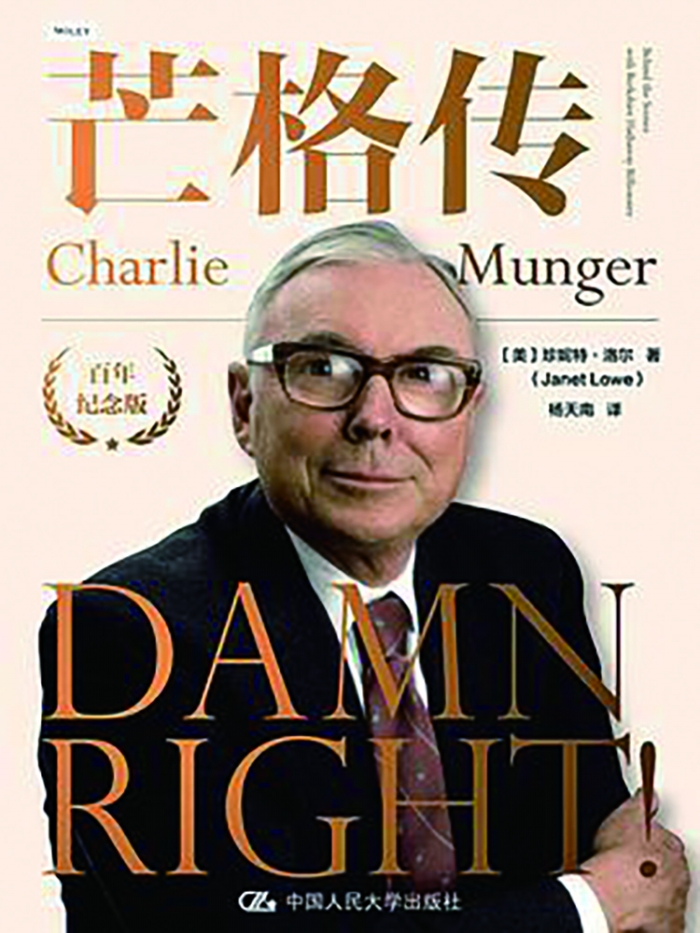
跨界思维如何创造投资奇迹——读《芒格传》
Shang Hai Zheng Quan Bao· 2025-10-12 17:14
Core Insights - The article explores the journey of Charlie Munger from a lawyer to a successful investor, highlighting the unconventional thinking that led to significant investment success [4][5][6][7][8][11]. Group 1: Munger's Early Life and Career - Munger faced numerous challenges in his early life, including wartime experiences and personal tragedies, which shaped his analytical mindset and emotional resilience [5][6]. - His transition to investment began after establishing a stable family life, leading him to explore opportunities beyond his legal career [5][6]. Group 2: Investment Philosophy Evolution - Munger's first investment experience was with a small transformer company, which taught him the importance of quality over price in investment decisions [6][8]. - The pivotal moment in Munger's investment philosophy came with the acquisition of See's Candies in 1972, which shifted his focus from seeking cheap stocks to investing in high-quality companies with strong competitive advantages [8][9][10]. Group 3: Key Investment Principles - Munger emphasizes "reverse thinking," where he anticipates potential failures before making investment decisions, allowing him to avoid significant losses [11][12]. - He advocates for concentrated investing, arguing that deep understanding of a few companies is safer than spreading investments too thin [12]. - Munger's investment strategy includes a focus on opportunity cost, prioritizing investments in truly exceptional companies and exercising patience [12][13]. Group 4: Long-term Success Metrics - Munger's investment approach has contributed to Berkshire Hathaway achieving a remarkable 19.2% annual compound growth rate over 51 years, demonstrating the effectiveness of his principles [11][13]. - The combination of correct investment philosophy, strict execution discipline, and continuous learning has been crucial to Munger's sustained success [13].