反向思考

Search documents
无论在哪儿上班,读懂《道德经》你就顺了
洞见· 2026-01-20 12:35
Core Insights - The article emphasizes the practical wisdom derived from the "Tao Te Ching," focusing on three key principles: knowing the opposite, using weakness, and maintaining a calm mindset [6][53]. Group 1: Knowing the Opposite - The concept of "knowing the opposite" is illustrated through a story of two sons competing for their father's inheritance by riding horses slowly, highlighting the importance of reverse thinking in problem-solving [10][12]. - A product manager's shift from focusing on positive user growth metrics to analyzing user churn led to a threefold increase in user retention by simplifying the product [17][19]. - The principle suggests that many challenges can be resolved through reverse thinking, as everything evolves towards its opposite [20]. Group 2: Using Weakness - The article discusses the idea of "using weakness," likening it to water, which benefits all without contention and ultimately prevails [24][28]. - A personal story illustrates how enduring difficult tasks and not competing directly with others can lead to personal growth and eventual success in the workplace [30][32]. - The narrative emphasizes that the ultimate competition in the workplace is not against others but rather a race against one's own growth [31]. Group 3: Maintaining a Calm Mindset - The importance of a calm mindset is demonstrated through the experience of a media professional who overcame negative feedback by focusing on self-improvement rather than external criticism [35][40]. - The article highlights that maintaining emotional stability allows individuals to concentrate on their work and avoid unnecessary distractions [42][50]. - A reference to Steve Jobs illustrates that a calm demeanor in the face of criticism can lead to productive outcomes and successful collaborations [46][48].


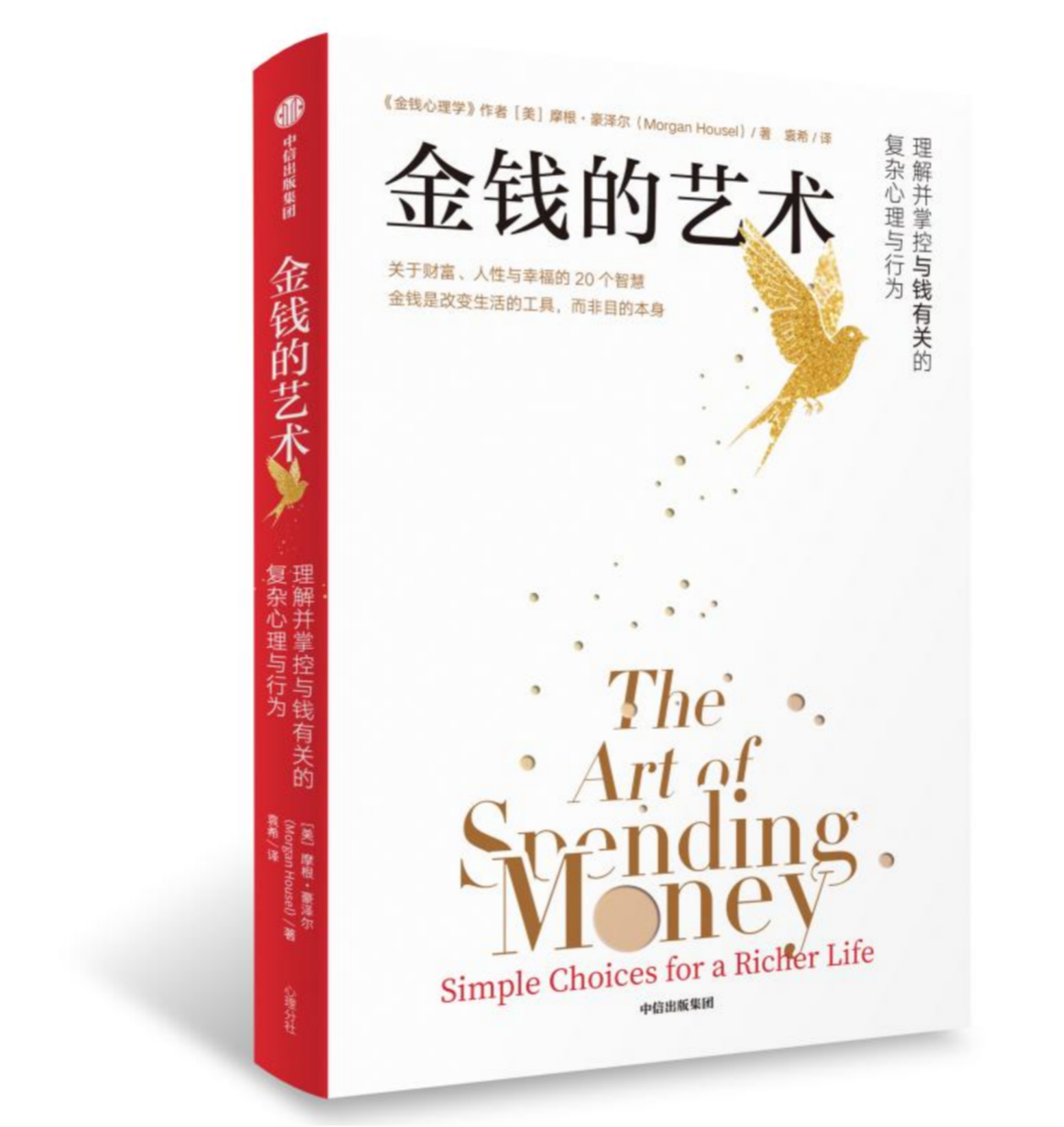
如何通过花钱让自己痛苦不堪?一份关于错误决策的简明指南
Hu Xiu· 2025-10-16 07:46
Core Insights - The article emphasizes the importance of avoiding certain behaviors and mindsets that lead to financial and personal dissatisfaction, rather than providing direct advice on how to achieve happiness or financial success. Group 1: Financial Missteps - Focusing on a higher socioeconomic group as a source of happiness can lead to dissatisfaction, as the current group was once the target of aspirations [2] - Sacrificing independence for status can result in a lack of personal freedom, which is essential for true happiness [3] - Making money and spending money the core of one's identity detracts from building a fulfilling life [4] - Relying heavily on others for financial stability can lead to vulnerability and dissatisfaction [5] - Believing that more money will solve all problems can create unrealistic expectations and lead to disappointment [5] - Viewing money solely as a source of greed and evil ignores its potential as a tool for independence and comfort [6] - Extreme saving without enjoying life can turn financial management into a hobby rather than a means to improve life [7] Group 2: Psychological Traps - Attributing all personal success to effort while blaming failures on bad luck creates a distorted self-perception [8] - Comparing oneself to others can lead to envy and dissatisfaction, as external appearances do not reflect true happiness [9] - Ignoring the social and emotional costs of spending can lead to poor financial decisions [10] - Being unaware of regret tendencies can result in a life filled with missed opportunities [11] - Equating net worth with self-worth can lead to a misguided understanding of success [12] - Treating financial decisions as purely mathematical ignores emotional and experiential needs [13] - Following the lifestyle expectations of the most successful people can create a perpetual sense of inadequacy [14] - Overly optimistic expectations can lead to dissatisfaction when reality does not meet those expectations [15] - Risking essential needs for unnecessary wants can lead to significant personal loss [16] Group 3: Strategies for Improvement - Experimenting with various spending methods within budget can help identify what truly adds value [11] - Being influenced by advertising can lead to dissatisfaction with one's life [12] - Learning to quickly reject unsuitable options is more important than knowing what to buy [13] - Acknowledging what does not work for oneself is a sign of making progress in financial decisions [14] - Long-term wealth accumulation is more about small, consistent decisions rather than major ones [15]