
发达国家债务问题

Search documents
经合组织警告:AI生产力红利并非“免死金牌”,难填发达国家债务巨坑
Hua Er Jie Jian Wen· 2026-02-27 07:32
Group 1 - The core viewpoint is that while AI may temporarily alleviate the debt burden for developed economies, it cannot reverse the upward trend of debt ratios, which still depend on demographic structure, tax, and spending choices [1][2][4] - OECD and economists estimate that AI could lead to a limited reduction in debt burdens for OECD countries, but the impact will be constrained [1][2] - The debt pressure in developed economies is already above 100% of GDP, facing multiple upward pressures such as aging costs, interest expenses, and defense and climate-related spending [2][3] Group 2 - In the best-case scenario for the U.S., debt ratios may rise more slowly from around 100% to approximately 120% over the next decade, but if AI underperforms, debt could escalate to about 180% [3][4] - Key variables affecting the debt trajectory include job creation offsetting job losses from automation, wage increases being passed to workers, and effective government spending management [4][5] - There are concerns that AI could lead to a decline in employment or weaken competition, potentially limiting expected improvements in fiscal revenue [5][6] Group 3 - Public sector efficiency improvements could lower costs, but there is a risk of spending increasing alongside growth [6] - The impact of AI on U.S. debt over the next decade is expected to be minimal, with social security spending remaining tied to average wages, which could rise if private sector wages increase [6] - The cost of debt will also depend on whether productivity boosts actual interest rates, with warnings about the potential for recession if AI benefits do not materialize quickly enough [6]
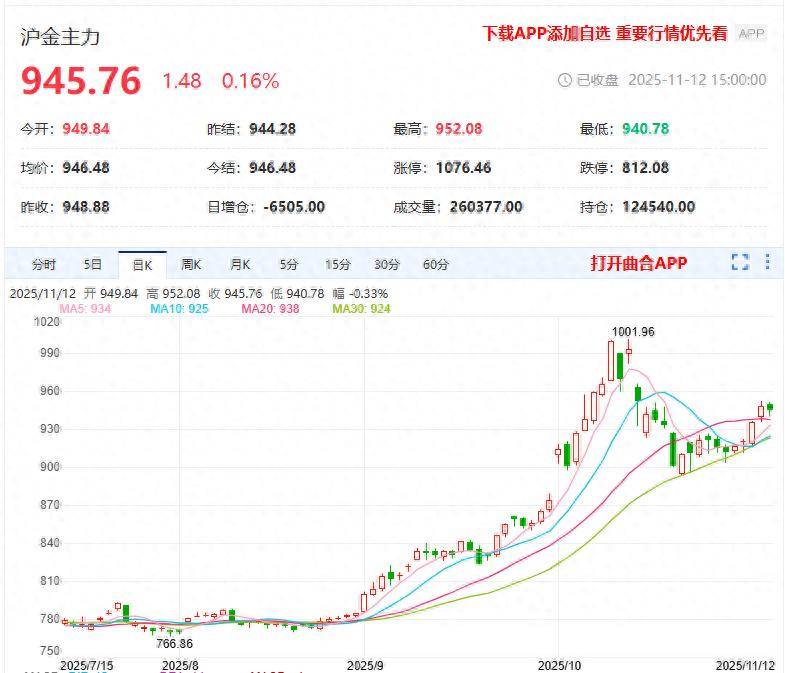
发达国家债务飙升,利好黄金
Sou Hu Cai Jing· 2025-11-12 09:03
Group 1: Debt Levels in Developed Economies - The overall public debt to GDP ratio for developed economies is close to 93%, dropping to 110% when excluding the United States, indicating significant divergence among countries [1] - Japan has the highest debt ratio among developed nations, with a projected debt to GDP ratio of 233% for fiscal year 2025, totaling approximately $7.98 trillion [1] - The United States has the largest debt globally, with a debt to GDP ratio of about 127%, amounting to $40 trillion, and faces $9.2 trillion in maturing bonds in 2025 that will require refinancing at high interest rates [1] Group 2: European Union Debt Disparities - Within the EU, Germany has a relatively low debt to GDP ratio of about 65%, attributed to strict fiscal discipline, while France's ratio is 116% due to high social welfare expenditures [2] - Greece and Italy exhibit significant risk with debt to GDP ratios of approximately 158.2% and 138.3% respectively, contributing to an overall EU debt ratio of about 81.6% [2] - The IMF notes that high debt levels in developed countries stem from pandemic-related subsidy costs and rising interest expenses, complicating efforts to manage debt while sustaining growth [2] Group 3: Market Implications and Gold Prices - The current high-interest environment poses challenges for developed nations, affecting global financial market stability and creating favorable conditions for gold prices [2] - The U.S. economy is facing pressures from government shutdowns and trade tensions, leading to increased uncertainty in short-term policies [6] - Central banks are increasing gold holdings, and there is potential for precious metals to experience a bull market similar to the 1970s, although price corrections may occur after reaching new highs [6]

弘则策略|美联储降息点评、大类资产后续展望
2025-09-26 02:29
Summary of Key Points from Conference Call Industry Overview - The conference call primarily discusses the implications of the Federal Reserve's recent interest rate cuts and the overall economic outlook for 2025, particularly focusing on the U.S. economy and its impact on global markets [1][2][3][4][5][6][7][8][10]. Core Insights and Arguments - **Federal Reserve's Rate Cut**: The Federal Reserve initiated a new round of interest rate cuts, reducing rates by 25 basis points, bringing the current federal funds rate to a range of 4% to 4.25%. This marks the beginning of a cautious easing cycle, with expectations for two more cuts in 2025 [2][6]. - **Economic Conditions**: The rate cuts are seen as preventive measures against potential economic downturns rather than responses to current recessionary pressures. The Fed's unemployment rate forecasts for 2025 to 2027 remain stable, indicating no immediate recession risks [6][7]. - **Long-term Inflation Concerns**: There are ongoing debates about long-term inflation pressures, with the potential need for tighter monetary policies if inflation expectations remain elevated. The influence of political factors on the Fed's independence is also highlighted [4][6][7]. - **Debt and Fiscal Challenges**: The rising government debt-to-GDP ratio in developed countries is causing widening spreads between long-term and short-term bonds, reflecting investor distrust in long-term government bonds [5][6]. Market Reactions and Asset Performance - **Global Asset Trends**: In 2025, global risk assets experienced significant rebounds after initial declines, with the Nasdaq index leading gains at 27%, followed by other indices and commodities [8][9][10]. - **Market Sentiment**: Following the Fed's rate cut, markets showed signs of high volatility, with a cautious outlook on risk assets due to potential corrections after substantial gains [10]. - **Gold and Commodities**: Gold prices are closely tied to risk sentiment, with recent increases reflecting market expectations of Fed easing. However, uncertainties remain regarding future price movements if rate cut expectations are not met [15][16]. Additional Important Insights - **China's Economic Outlook**: China's economy is stabilizing, with strong external demand despite weak internal consumption. Exports, particularly to regions outside the U.S., are performing well, providing crucial support for economic stability [11][12]. - **Domestic Investment Trends**: There is a notable decline in fixed asset investment and retail sales in China, indicating ongoing weaknesses in domestic demand [12][13]. - **Policy Predictions**: Anticipated policy measures in China may include early issuance of government debt and potential interest rate cuts to stimulate the economy, particularly in the real estate sector [14][17]. This summary encapsulates the key points discussed in the conference call, providing a comprehensive overview of the economic landscape and market dynamics as influenced by the Federal Reserve's actions and broader global trends.