变压器概念

Search documents
马斯克点名的变压器,还在涨
Zhong Guo Dian Li Bao· 2026-01-13 14:39
Core Insights - The transformer industry is gaining significant attention as a critical component in the energy sector, particularly with the rise of AI and data centers [1][2] - Elon Musk has highlighted the shift in bottlenecks from chips to transformers, emphasizing their importance in the future of AI and energy distribution [1] - The demand for transformers is expected to increase due to the growing energy needs of data centers and the need for grid upgrades [1][2] Industry Overview - Since 2026, the A-share transformer concept has been on the rise, with key companies like China XD Electric, XJ Electric, and TBEA seeing stock price increases [1] - The U.S. is heavily reliant on imports for transformers, with about 80% of its supply coming from abroad, and a projected 30% supply gap by 2025 [2] - Europe is investing €584 billion to expand its grid but is facing delays due to transformer shortages [2] Market Dynamics - China, which accounts for 60% of global transformer production capacity, is positioned to be a key player in the global grid upgrade and AI expansion [2] - The increase in orders and extended delivery times for domestic transformer companies indicate a robust market driven by infrastructure investments and AI data center expansions [2] - According to customs data, China's transformer exports reached 2.872 billion units in 2025, a year-on-year increase of 4.6%, with total export value rising by 36.3% to 57.86 billion yuan [2] Future Projections - The transformer and grid equipment industry is expected to maintain a positive outlook, with an average annual growth rate of over 5% in national grid investment during the 14th Five-Year Plan period [2] - The combination of rising electricity demand and supply constraints in regions like the U.S. and the Middle East is likely to drive further investment in global grid equipment, potentially entering a super cycle [2]


过把瘾
Datayes· 2025-10-28 11:17
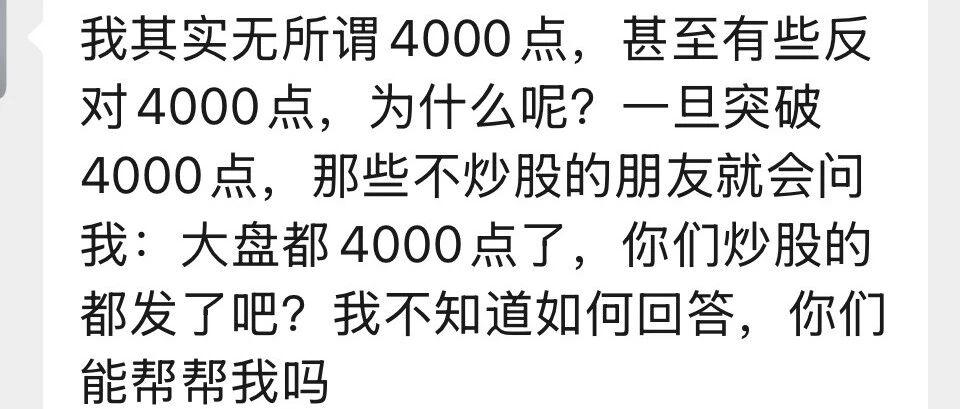
Core Viewpoint - The article expresses optimism about the Chinese stock market, highlighting the recent crossing of the 4000-point mark and the supportive measures from the People's Bank of China to stabilize the market [3][6]. Market Performance - The A-share market saw a collective decline on October 28, with the Shanghai Composite Index down 0.22%, Shenzhen Component down 0.44%, and ChiNext down 0.15%. The total trading volume was 21,655.28 billion yuan, a decrease of 1,912.71 billion yuan from the previous day [14]. - Despite the overall decline, over 2300 stocks rose, with 72 stocks hitting the daily limit up. The Fujian Free Trade Zone concept stocks experienced a surge, with Pingtan Development achieving six limit-ups in eight days [14]. Sector Analysis - The electronics, communication, media, non-bank financials, and banking sectors have shown excess returns for three consecutive years, with the potential for continued outperformance in the TMT (Technology, Media, and Telecommunications) sectors due to the accelerating development of the global AI industry [6][7]. - The transformer sector is experiencing a significant increase in demand, with global delivery times for key components extending to 115-130 weeks, leading to rising product prices [14][20]. Company Earnings - Several companies reported substantial earnings growth in Q3, including: - Shiroyama Real Estate: Revenue of 593 million yuan, up 235.68% YoY; net profit of 109 million yuan, up 3,168.80% YoY [21]. - G-bits: Revenue of 1.968 billion yuan, up 129.19% YoY; net profit of 569 million yuan, up 307.7% YoY [21]. - Huasheng Tiancheng: Revenue of 909 million yuan, up 10.29% YoY; net profit of 219 million yuan, up 563.58% YoY [21]. Investment Trends - The article notes a net outflow of 33.356 billion yuan from major funds, with the non-ferrous metals sector experiencing the largest outflow. Conversely, sectors such as defense, computing, and basic chemicals saw net inflows [22]. - The article also highlights the performance of specific stocks, with notable net inflows into companies like Sanhua Intelligent Control and Longcheng Military Industry, while companies like Northern Rare Earth and ZTE experienced significant outflows [22]. Policy and Economic Outlook - The Central Committee of the Communist Party of China has released recommendations for the 15th Five-Year Plan, emphasizing the need for breakthroughs in key technologies such as integrated circuits, advanced materials, and biomanufacturing [19]. - The U.S. government has signed an $80 billion agreement with Westinghouse Electric Company to build nuclear reactors to meet the growing electricity demand from AI, indicating a global trend towards energy solutions for technology advancements [21].