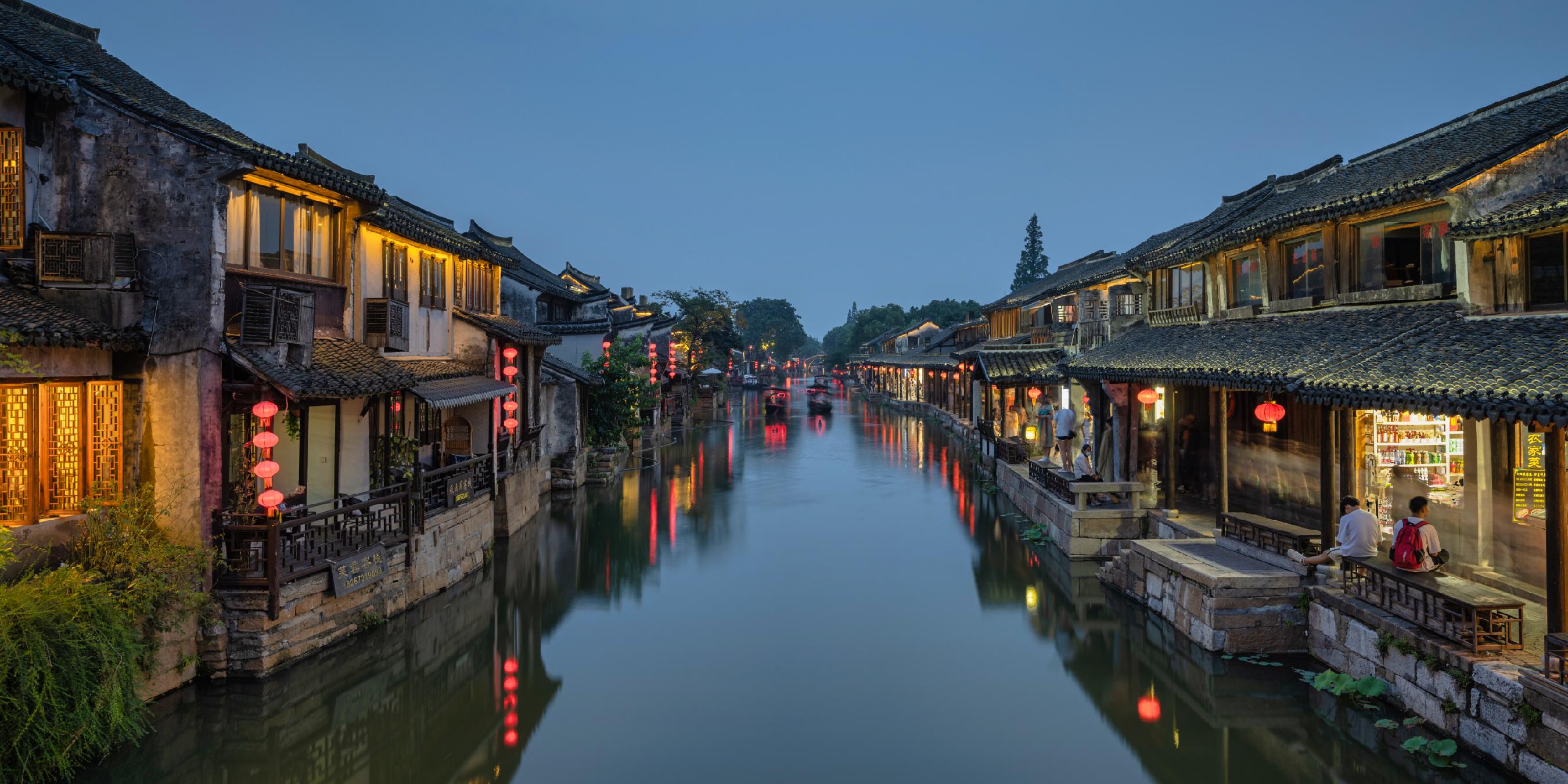
古镇同质化

Search documents
商业泛滥的古镇,该换种打法了
创业邦· 2026-01-09 04:48
Core Viewpoint - The commercialization of ancient towns has become a double-edged sword, where over-commercialization leads to a loss of uniqueness and cultural identity, prompting tourists to seek less commercialized alternatives [5][10][24]. Group 1: Historical Context and Development - The modern concept of ancient town tourism in China began in the 1980s with Zhouzhuang, which initially aimed to raise funds for preservation. By 1989, it received 55,000 visitors and generated approximately 200,000 yuan in revenue [7]. - Zhouzhuang's success led to a boom in ancient town tourism across the country, with a significant increase in visitor numbers and revenue, reaching 330 million visitors and over 1 billion yuan in revenue by 2007 [9]. - The concentration of ancient town attractions is notable, with six provinces housing over half of the ancient town scenic spots, creating a cluster effect [9]. Group 2: Current Challenges and Trends - The phenomenon of homogenization is prevalent, with many ancient towns offering similar products and experiences, leading to a sense of fatigue among tourists [10][20]. - Tourists are increasingly engaging in "reverse tourism," seeking lesser-known towns that retain their authenticity and local life, as seen in the shift from popular destinations like Lijiang to lesser-known towns like Jianchuan [11][20]. - Despite the commercialization, ancient towns like Fenghuang still attract significant visitor numbers and revenue, indicating a strong economic potential [20]. Group 3: The Role of Commercialization - Commercialization is not inherently negative; it supports modern tourism experiences by providing necessary infrastructure and services [13][16]. - However, the current commercial models often lack cultural depth and fail to convert the unique historical and cultural attributes of ancient towns into meaningful experiences [25][27]. - Successful examples like Wuzhen demonstrate the potential for a balanced approach that integrates cultural storytelling with commercial activities, enhancing the overall visitor experience [25][27].

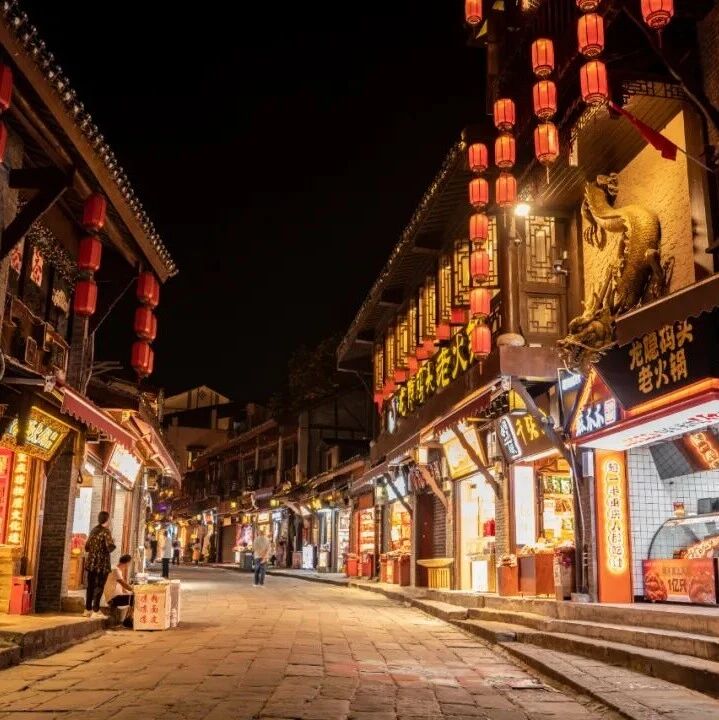
乌镇神话与千镇困局,古镇如何逃离“复制粘贴”?
Jing Ji Guan Cha Wang· 2025-06-16 10:30
Core Insights - The article discusses the challenges faced by ancient towns in China, highlighting the contrast between the successful model of Wuzhen and the struggles of many other towns that have attempted to replicate its success [2][7][12]. Group 1: Overview of Ancient Towns - There are over 2,800 ancient towns in China, with 312 recognized as national historical and cultural towns, primarily located in Jiangsu and Sichuan [2]. - The success of Wuzhen has inspired many local governments to invest heavily in developing or replicating ancient towns, leading to significant financial commitments [7]. Group 2: Wuzhen's Success Factors - Wuzhen's development began in 1999, focusing on unified planning and construction, which was innovative at the time [3]. - The team behind Wuzhen emphasized restoring historical aesthetics and implementing underground infrastructure to maintain the town's traditional appearance [3]. - Operational management was crucial, with over 90% of businesses being self-operated, ensuring service consistency and quality [4]. Group 3: Challenges Faced by Other Ancient Towns - Many towns, despite heavy investments, have failed due to poor planning and operational execution, leading to significant financial losses [7][8]. - A common issue is the homogenization of offerings, where similar shops and products dilute the unique appeal of each town [8][9]. - The lack of local cultural integration and the tendency to replicate successful models without adaptation have contributed to the sameness of many ancient towns [9][12]. Group 4: Recommendations for Improvement - Experts suggest focusing on cultural excavation, product innovation, and management optimization to combat homogenization [12][13]. - Establishing unique cultural identities for each town and enhancing visitor experiences through diverse offerings are essential [13][14]. - Retaining local residents and their traditional businesses can help maintain the authentic atmosphere of ancient towns [9][14].