古镇商业化

Search documents
商业泛滥的古镇,该换种打法了
创业邦· 2026-01-09 04:48
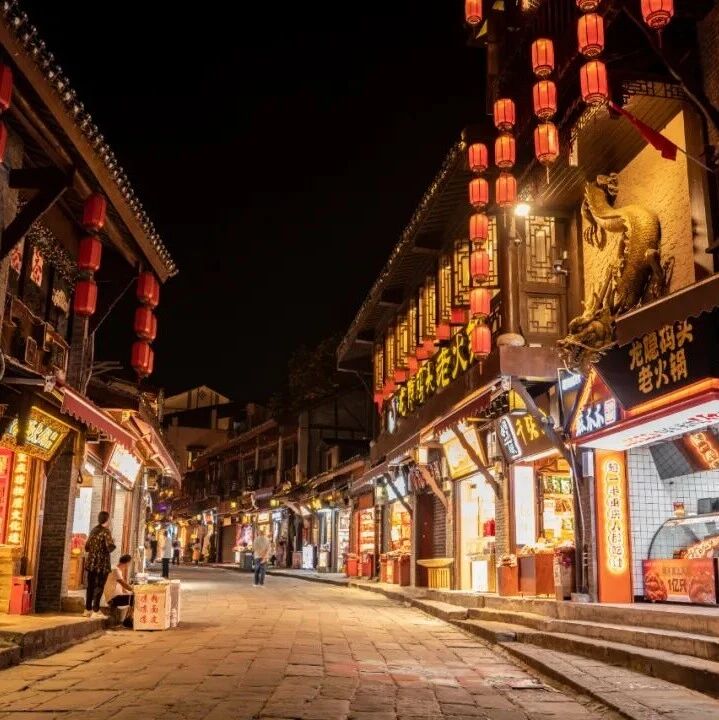
Core Viewpoint - The commercialization of ancient towns has become a double-edged sword, where over-commercialization leads to a loss of uniqueness and cultural identity, prompting tourists to seek less commercialized alternatives [5][10][24]. Group 1: Historical Context and Development - The modern concept of ancient town tourism in China began in the 1980s with Zhouzhuang, which initially aimed to raise funds for preservation. By 1989, it received 55,000 visitors and generated approximately 200,000 yuan in revenue [7]. - Zhouzhuang's success led to a boom in ancient town tourism across the country, with a significant increase in visitor numbers and revenue, reaching 330 million visitors and over 1 billion yuan in revenue by 2007 [9]. - The concentration of ancient town attractions is notable, with six provinces housing over half of the ancient town scenic spots, creating a cluster effect [9]. Group 2: Current Challenges and Trends - The phenomenon of homogenization is prevalent, with many ancient towns offering similar products and experiences, leading to a sense of fatigue among tourists [10][20]. - Tourists are increasingly engaging in "reverse tourism," seeking lesser-known towns that retain their authenticity and local life, as seen in the shift from popular destinations like Lijiang to lesser-known towns like Jianchuan [11][20]. - Despite the commercialization, ancient towns like Fenghuang still attract significant visitor numbers and revenue, indicating a strong economic potential [20]. Group 3: The Role of Commercialization - Commercialization is not inherently negative; it supports modern tourism experiences by providing necessary infrastructure and services [13][16]. - However, the current commercial models often lack cultural depth and fail to convert the unique historical and cultural attributes of ancient towns into meaningful experiences [25][27]. - Successful examples like Wuzhen demonstrate the potential for a balanced approach that integrates cultural storytelling with commercial activities, enhancing the overall visitor experience [25][27].

世间最高级的套路,就两个字
洞见· 2025-07-24 12:08
Core Viewpoint - The article discusses the commercialization of ancient towns in China, highlighting the contrast between over-commercialized towns and those that maintain cultural integrity, with a specific focus on Wuzhen as a model of sincerity and thoughtful tourism management [5][20][81]. Group 1: Commercialization of Ancient Towns - Many ancient towns have become overly commercialized, losing their cultural essence and becoming mere tourist traps filled with identical souvenirs [5][10][20]. - Criticism from notable figures like writer Feng Jicai points out that 90% of shops sell similar tourist memorabilia, undermining authenticity [6]. - The article describes a personal experience of disappointment due to high prices and poor service in a commercialized ancient town, leading to a negative travel experience [13][15][19]. Group 2: Wuzhen as a Model - Wuzhen is presented as a sincere example of an ancient town that balances commercialization with cultural preservation, attracting visitors without resorting to aggressive marketing tactics [24][25]. - The town's ticketing strategy has not deterred visitors; instead, it has seen a steady increase in tourist numbers, contrasting with other towns that rely on free entry but charge for additional services [26][28]. - Wuzhen maintains a unique selling proposition by implementing a "one shop, one product" policy, ensuring fair pricing and enhancing visitor satisfaction [30][32]. Group 3: Visitor Experience and Services - Wuzhen prioritizes visitor experience through thoughtful services, such as transparent pricing in dining and immediate compensation for overpriced goods, fostering a trustworthy environment [42][44]. - The town offers various amenities, including free drinking water stations and shaded areas, enhancing comfort for visitors during hot weather [49][50]. - Unique cultural experiences, such as art exhibitions and seasonal festivals, are highlighted as part of Wuzhen's appeal, providing visitors with immersive cultural engagement [65][66][77]. Group 4: Attention to Detail - The article emphasizes that Wuzhen's success lies in its attention to detail, maintaining cleanliness and preserving the town's historical character [60][62]. - Unlike other towns, Wuzhen avoids excessive commercialization and instead focuses on cultural events and activities that enrich the visitor experience [64][66]. - The article concludes that Wuzhen exemplifies a model where commercial activities are integrated with cultural appreciation, allowing visitors to enjoy a genuine experience [81][82].