古镇旅游

Search documents
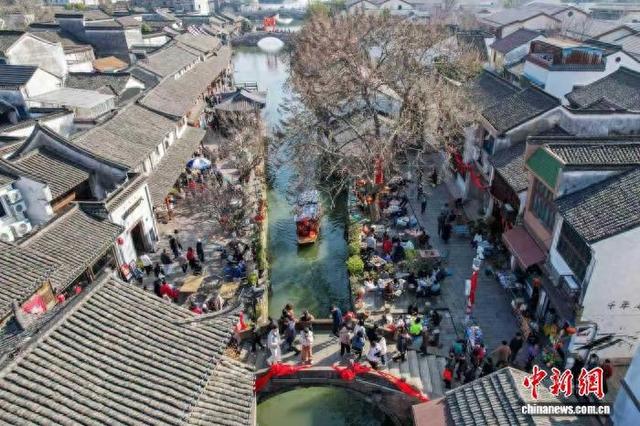
(新春走基层)探访浙江新市古镇品味水乡风情
Xin Lang Cai Jing· 2026-02-19 11:41
Group 1 - The article highlights the vibrant atmosphere of Xinshi Ancient Town in Deqing County, Zhejiang during the Spring Festival, attracting numerous tourists to experience traditional customs and activities [2] - Tourists can enjoy various activities such as strolling through ancient streets from the Ming and Qing dynasties and riding traditional rowing boats along the Grand Canal [2] - The town is characterized by its unique charm, often referred to as "Little Shanghai of a Thousand Years" and "Jiangnan Broadway," showcasing a rich cultural heritage [2] Group 2 - The article features images of tourists engaging in activities like taking photos and enjoying folk performances, emphasizing the town's appeal as a tourist destination [8][10] - The presence of traditional folk performances adds to the cultural experience, allowing visitors to immerse themselves in the local customs and traditions [8] - The scenic views of the boats navigating through the ancient town further enhance the picturesque setting, making it a popular spot for visitors [6][12]

春启新程|朱家角船工眼中的古镇之变:更年轻,更有国际范儿
Xin Lang Cai Jing· 2026-02-17 23:49
Core Viewpoint - The article highlights the transformation of the Zhujiajiao Ancient Town in Shanghai, showcasing its growing popularity among tourists and the improvements in the local environment and tourism experience [2][5][12]. Tourism Development - Zhujiajiao has become a popular tourist destination, especially during the Spring Festival, with a significant increase in visitor numbers and diversity [2][4]. - The demographic of tourists has shifted from mainly local visitors to a more international crowd, including tourists from Korea and Thailand, reflecting a broader appeal [7][10]. Visitor Experience - Tourists now seek more diverse experiences, moving beyond simple boat rides to engaging with local culture and traditions, such as enjoying tea on boats and learning about local customs [9][12]. - The demand for a slower, more immersive experience has increased, particularly among younger visitors who appreciate the cultural aspects of the town [9][12]. Environmental Improvements - The local environment has seen significant enhancements, with the river water quality improving from murky to clear, contributing to a more pleasant experience for both tourists and locals [9][12]. - The town's aesthetic has also improved, with more elaborate decorations and cultural performances during the festive season, enriching the overall atmosphere [10][12]. Local Economy and Employment - The transformation of Zhujiajiao has positively impacted local employment, as seen in the experiences of local boatman Ma Zhenrong, who transitioned from a parking lot worker to a boat crew leader, reflecting the growth in tourism-related jobs [4][12]. - The increase in tourist activity has led to a bustling local economy, with boat services and cultural events thriving during peak seasons [4][10].
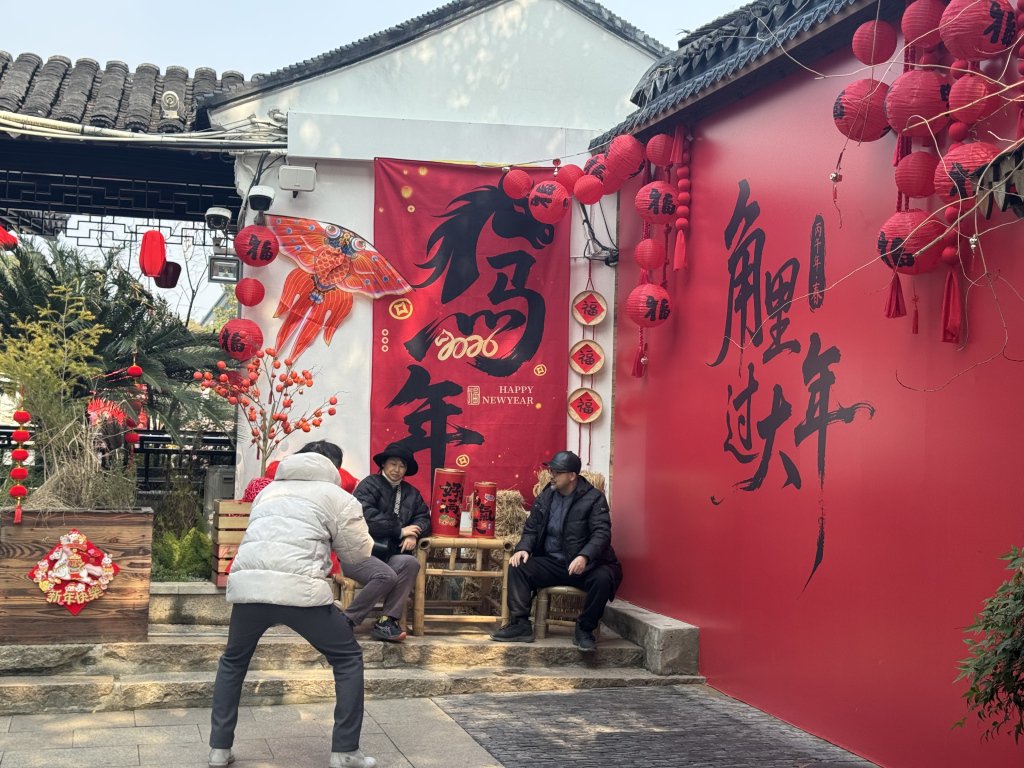
历史碰撞现代!义乌藏了个让外国人痴迷的宝藏古镇
Zhong Guo Xin Wen Wang· 2025-10-21 08:14
Core Points - The article highlights the enduring popularity of the ancient town of Fodang in Yiwu, which combines historical charm with modern vibrancy [1] - Visitors, including foreigners, express admiration for the town's beauty and express intentions to return [1] Summary by Categories - **Historical Significance** - Fodang Ancient Town has a rich history that continues to attract visitors [1] - **Cultural Experience** - The town offers traditional snacks that enhance the visitor experience [1] - Fodang Old Street provides a unique opportunity for visitors to immerse themselves in the local culture [1] - **Tourism Appeal** - The town's aesthetic appeal is noted by tourists, contributing to its reputation as a must-visit destination [1]

地产经纬丨古镇文旅投资,如何防止“审古疲劳”?
Zhong Guo Jin Rong Xin Xi Wang· 2025-07-06 03:19
Core Viewpoint - The article discusses the challenges and failures faced by ancient town tourism projects in China, highlighting the need for innovative approaches to avoid the pitfalls of oversaturation and ineffective investment in the sector [1][12]. Group 1: Investment Challenges - Hunan Zhangjiajie Duyong Ancient Town, which cost 2.4 billion yuan to build, has suffered losses exceeding 1 billion yuan over four years, raising concerns about the sustainability of such investments [1]. - Many ancient town projects across the country have faced delays, inefficiencies, or have been abandoned, indicating a trend of "zombie towns" and wasted resources [12][14]. Group 2: Successful Models - Zhouzhuang, known as "China's first water town," successfully transformed its economy through tourism, with ticket sales starting in 1989 and the establishment of a unified ticketing system in 1995 [3][4]. - Wuzhen, another successful case, underwent significant renovations to preserve its historical essence, leading to a dramatic increase in tourist numbers and revenue after its development began in 1999 [6][7][8]. Group 3: Failed Projects - Puyuan Ancient Town, developed under a similar model to Wuzhen, faced significant delays and financial losses, leading to the exit of its major investor, China Youth Travel Service, after only six months of trial operations [9][10][11]. - The financial struggles of Puyuan are attributed to the downturn in the real estate market and the challenges of the "cultural tourism + real estate" model, which became unsustainable [10][11]. Group 4: Future Directions - The article suggests that future developments in ancient town tourism should focus on integrating local culture and providing authentic experiences to meet the evolving demands of consumers [12][14]. - Innovative approaches, such as creating unique cultural events and interactive experiences, are essential for attracting visitors and revitalizing struggling projects [14].