古镇文旅

Search documents
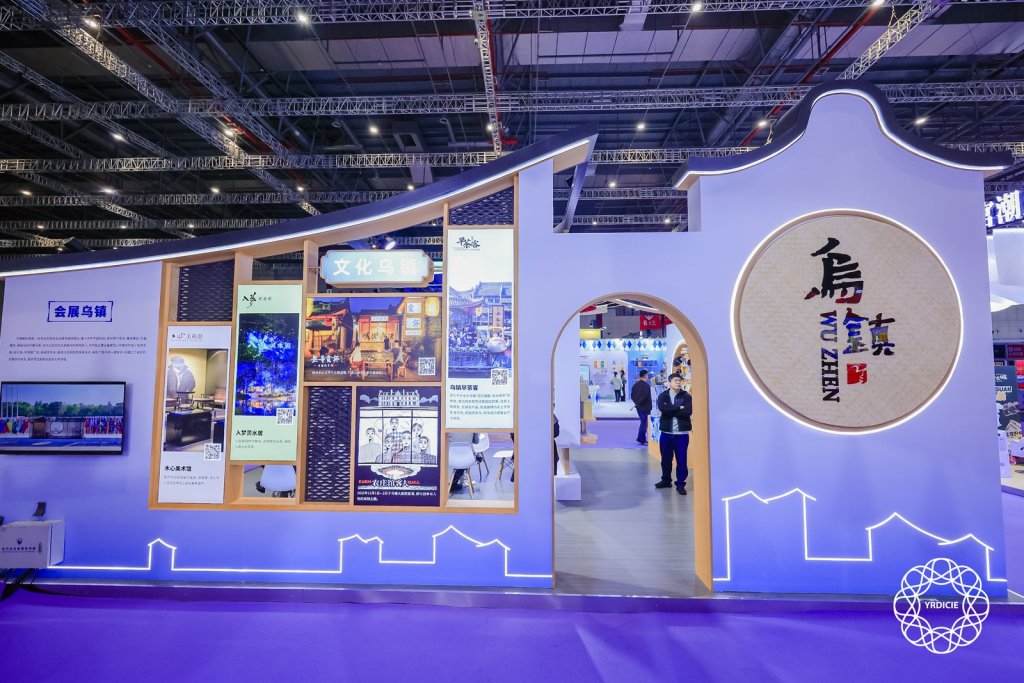
陈向宏等文旅大咖齐聚长三角文博会,对话“古镇文旅新物种”
Xin Lang Cai Jing· 2025-11-22 12:48
Core Insights - The sixth Yangtze River Delta Cultural Expo introduced the "Ancient Town New Ecology: Cross-Border Integration Innovation Exhibition Area," focusing on the "Ancient Town+" cross-border integration model [1] - The event showcased various "Ancient Town+" ecological innovation cases from regions like Wuzhen, Puyuan, and others, emphasizing the integration of art, fashion, and digital technology [1][3] - The event aims to transform the ancient town tourism model from a ticket-based economy to an "immersive experience + composite consumption" industry ecosystem [5] Group 1 - The exhibition area featured collaboration with institutions like Dingdu Group, highlighting the theme of "New Species of Ancient Town Culture and Tourism" [1] - The event included industry exchanges and resource connections, running from November 20 to 22 at the National Exhibition Center [5] - A prominent "Cultural Tourism Operator Forum" was held, gathering 23 ancient town tourism management units and over 250 leading industry enterprises [5][6] Group 2 - Key industry leaders participated in the forum, sharing insights on transforming ancient towns into ideal communities that meet material, emotional, and spiritual needs [6][9] - Notable speakers included Ma Yin, founder of Anaya, who reported that operational income surpassed real estate income for the first time in 2025, reaching 3 billion yuan [6] - Wu Guoping, chairman of Wuxi Nianhua Bay, emphasized the importance of cultural genes in tourism and the need for aesthetic appreciation as a productivity factor [9] Group 3 - Chen Xianghong, founder of Wuzhen Tourism, advocated for creating tourism destinations that do not resemble traditional scenic spots, achieving a double-digit growth in visitor numbers despite surrounding towns offering free entry [11] - The forum also featured discussions on innovative paths for developing cultural IPs and transforming abandoned commercial spaces into vibrant cultural hubs [13][15] - The event concluded with a series of cross-border salons, fostering collaboration among experts from various fields to promote the "Ancient Town+" integration development [15]

地产经纬丨古镇文旅投资,如何防止“审古疲劳”?
Zhong Guo Jin Rong Xin Xi Wang· 2025-07-06 03:19
Core Viewpoint - The article discusses the challenges and failures faced by ancient town tourism projects in China, highlighting the need for innovative approaches to avoid the pitfalls of oversaturation and ineffective investment in the sector [1][12]. Group 1: Investment Challenges - Hunan Zhangjiajie Duyong Ancient Town, which cost 2.4 billion yuan to build, has suffered losses exceeding 1 billion yuan over four years, raising concerns about the sustainability of such investments [1]. - Many ancient town projects across the country have faced delays, inefficiencies, or have been abandoned, indicating a trend of "zombie towns" and wasted resources [12][14]. Group 2: Successful Models - Zhouzhuang, known as "China's first water town," successfully transformed its economy through tourism, with ticket sales starting in 1989 and the establishment of a unified ticketing system in 1995 [3][4]. - Wuzhen, another successful case, underwent significant renovations to preserve its historical essence, leading to a dramatic increase in tourist numbers and revenue after its development began in 1999 [6][7][8]. Group 3: Failed Projects - Puyuan Ancient Town, developed under a similar model to Wuzhen, faced significant delays and financial losses, leading to the exit of its major investor, China Youth Travel Service, after only six months of trial operations [9][10][11]. - The financial struggles of Puyuan are attributed to the downturn in the real estate market and the challenges of the "cultural tourism + real estate" model, which became unsustainable [10][11]. Group 4: Future Directions - The article suggests that future developments in ancient town tourism should focus on integrating local culture and providing authentic experiences to meet the evolving demands of consumers [12][14]. - Innovative approaches, such as creating unique cultural events and interactive experiences, are essential for attracting visitors and revitalizing struggling projects [14].