
台湾有事就是日本有事

Search documents
新华时评丨警惕高市复刻危险的历史剧本
Xin Hua She· 2025-11-25 06:58
警惕高市复刻危险的历史剧本 新华社记者叶书宏 回首过去,日本走向战争的一个显著特征,便是当权政客对危机的"刻意制造"与"扩大利用"。无论是 1931年的九一八事变,还是1937年的卢沟桥事变,日本军部与激进政客都是一个套路:人为制造外部紧 张局势,从而压制国内反战声音。今天日本右翼正在复制这一剧本。高市早苗等人不断渲染夸大"中国 威胁",高调宣称介入台海局势,本质上是一种"为了修宪而制造危机"的政治纵火,推动"预言的自我实 现":通过露骨挑衅恶化周边环境,反过来宣称"和平宪法已失效",从而为扩军修宪铺平道路。 军国主义的老剧本反复搬演。1941年,日本偷袭珍珠港,发动太平洋战争,也是强调面临美国经济封 锁,国家面临"生存危机"。这种将侵略包装成"打破绝境"的叙事,成为其发动战争的一贯伎俩。而今, 高市早苗等人的政治话术正在复刻这一话术。 历史告诉我们,战争不是一夜之间爆发的,而往往始于对"危机"的刻意制造和对"生存空间"的无限夸 大。昔日,"满蒙生命线"的谎言将日本拖入了罪恶的深渊;今日,"台湾有事"的叫嚣正试图拆除日本战 后和平繁荣的防波堤。 这是历史幽灵的重现。当一些势力开始用外部威胁掩盖内部矛盾,当"先 ...
中日多个交流活动已叫停
第一财经· 2025-11-19 12:03
Group 1 - The Chinese Consulate in Osaka has notified Japanese officials to cancel the Sino-Japanese friendship event scheduled for November 21 in Hiroshima [2] - Japan's Prime Minister Sanna Takashi's remarks regarding "Taiwan issues" have led to ongoing tensions, with Japan seeking director-level consultations to prevent further deterioration, but the outlook remains unclear [3] - Takamatsu City in Japan has postponed its official delegation's visit to Nanchang, Jiangxi Province, due to the current state of relations between the two countries [3] - The mayor of Shimonoseki City announced the cancellation of a planned trip to China, which was intended to attend a seminar in Suzhou [3] - Takashi's statements in the Diet suggest that "Taiwan issues" could trigger Japan's collective self-defense rights, marking a significant shift in Japan's official stance since 1945 [3]

高市之“祸”:撕裂中日关系的“天崩开局”
2 1 Shi Ji Jing Ji Bao Dao· 2025-11-15 23:46
Core Viewpoint - The recent statements made by Japan's new Prime Minister, Sanae Takaichi, regarding Taiwan have sparked significant controversy in the international community, indicating a potential shift in Japan's political stance towards China and Taiwan [1][15][42]. Group 1: Political Context - Takaichi's comments suggest that a situation in Taiwan could be considered a "survival crisis" for Japan, implying possible military intervention [1][5]. - This marks a departure from previous Japanese leaders who refrained from linking Taiwan's situation directly to Japan's national security [7][17]. - The term "survival crisis" was originally introduced by former Prime Minister Shinzo Abe, allowing Japan to exercise collective self-defense under certain conditions [5][27]. Group 2: Domestic Reactions - Takaichi's remarks have faced backlash from various political figures in Japan, including former Prime Ministers who emphasize that Taiwan is a domestic issue for China and Japan should not interfere [17][19]. - Despite the criticism, Takaichi has refused to retract her statements, indicating a firm stance aligned with the current government's views [19][25]. - The political climate in Japan appears to be shifting towards a more right-leaning approach, with Takaichi's comments reflecting a broader trend among the ruling coalition [27][38]. Group 3: International Implications - The Chinese government has expressed strong discontent with Takaichi's statements, viewing them as a violation of China's sovereignty and a potential threat to regional stability [13][41]. - Experts warn that Japan's rightward political shift could lead to increased tensions in East Asia, reminiscent of historical militaristic tendencies [27][38]. - The situation raises concerns about Japan's adherence to its pacifist constitution and its implications for international law and relations [38][41].
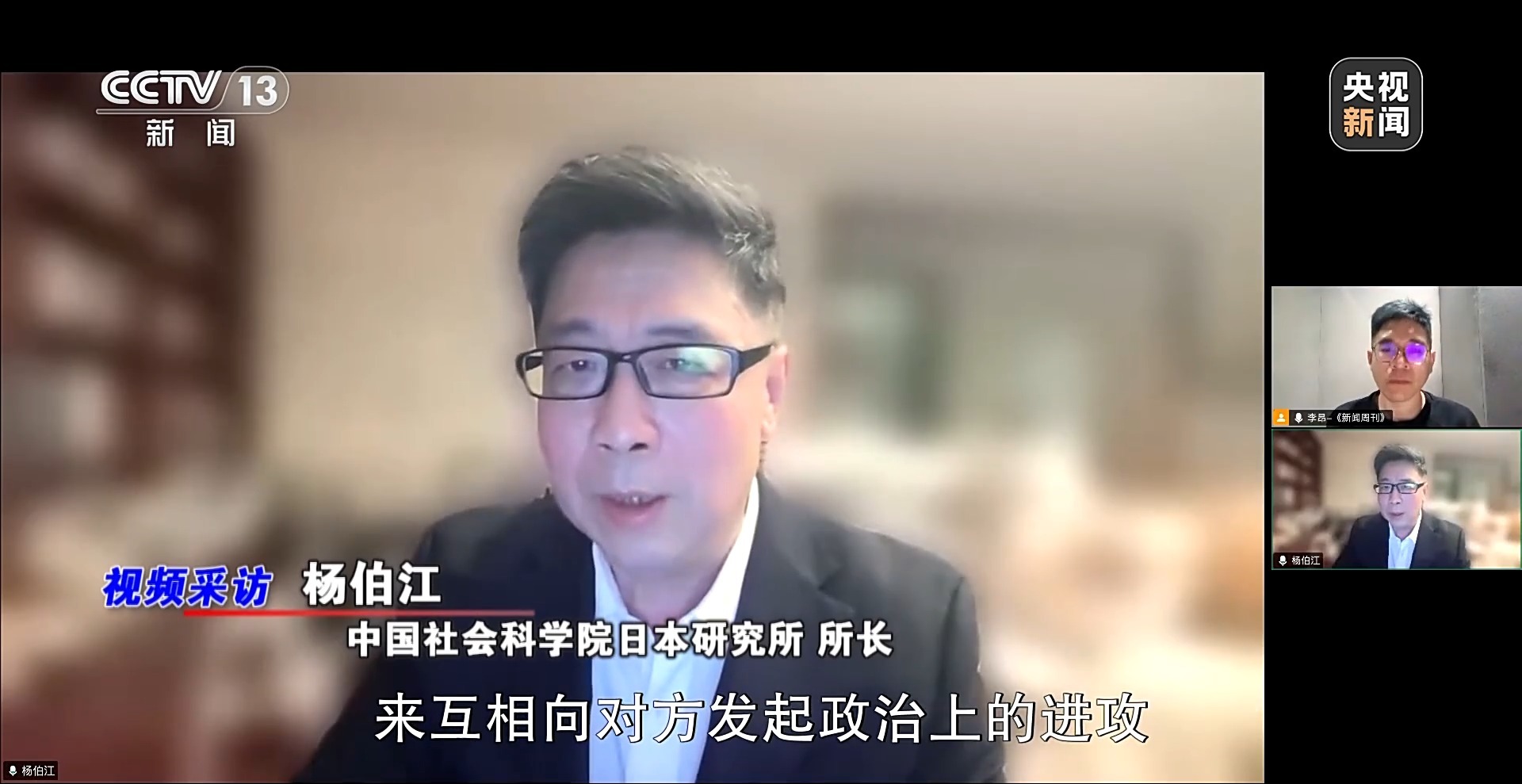
新闻周刊丨高市之“祸”:撕裂中日关系的“天崩开局”
Yang Shi Xin Wen· 2025-11-15 23:36
Core Viewpoint - The recent statements made by Japan's new Prime Minister, Sanae Takaichi, regarding Taiwan have sparked significant controversy in the international community, indicating a potential shift in Japan's political stance towards China and Taiwan [1][15][40]. Group 1: Political Context - Takaichi's comments suggest that a situation in Taiwan could be considered a "survival crisis" for Japan, implying possible military intervention [1][5]. - This marks a departure from previous Japanese leaders who refrained from linking Taiwan's situation directly to Japan's national security [7][19]. - The term "survival crisis" was originally introduced by former Prime Minister Shinzo Abe, allowing Japan to exercise collective self-defense under certain conditions [5][27]. Group 2: Domestic Reactions - Takaichi's remarks have faced backlash from various political figures in Japan, including former Prime Ministers who emphasize that Taiwan is a domestic issue for China and should not involve Japan [17][19]. - Critics within Japan have labeled Takaichi's statements as reckless and dangerous, raising concerns about the implications for Japan's military posture and regional stability [9][21][25]. Group 3: International Implications - The Chinese government has expressed strong opposition to Takaichi's comments, viewing them as a violation of Japan's previous political commitments and an interference in China's internal affairs [13][41]. - Experts warn that Japan's rightward political shift, as evidenced by Takaichi's statements, could lead to increased tensions in East Asia and a potential escalation of military conflicts [27][36][39].