台风防灾

Search documents
“医护人员说下刀子都会把我接到医院来”!一线直击“桦加沙”下的广东
Yang Shi Wang· 2025-09-25 08:42
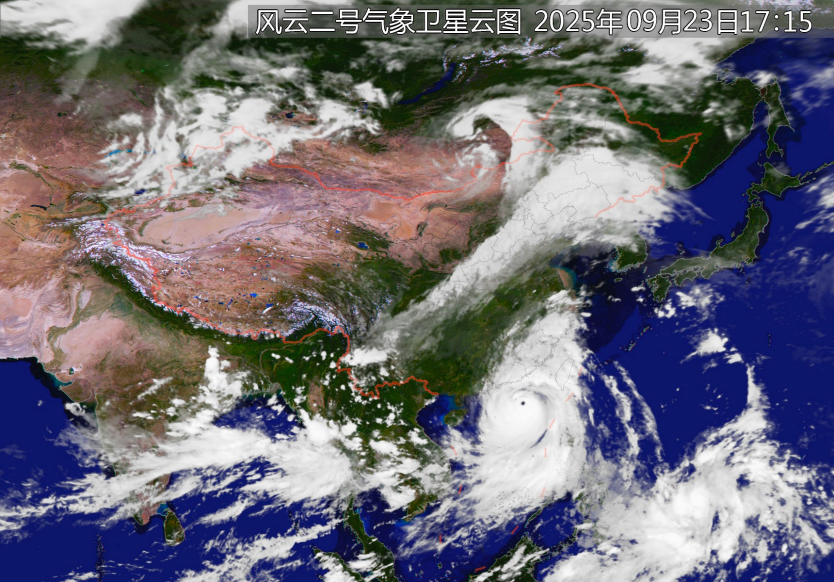
Core Points - The article discusses the preparations and responses in Guangdong province ahead of the landfall of Super Typhoon "Haikui," highlighting the urgency and scale of the emergency measures taken by local authorities and communities [2][4][7]. Group 1: Emergency Response - On September 23, the Guangdong provincial government issued a Level I emergency response, with multiple cities implementing a "five stoppages" policy, including halting classes, work, production, transportation, and business operations [2][4]. - The provincial meteorological department continuously released forecasts, and local residents took proactive measures, such as relocating vehicles to higher ground and clearing potential hazards [2][4]. - A total of 3.8 million firefighters and over 5,700 fire trucks were put on standby, alongside 1,174 boats for emergency response [4]. Group 2: Community Preparedness - Supermarkets in cities like Zhuhai and Guangzhou ensured the availability of essential goods, with increased supplies of drinking water and food items [5][6]. - Local officials conducted door-to-door checks to ensure residents were evacuated to safe locations, with designated shelters set up to provide food and water [6][7]. - The community mobilized to assist vulnerable populations, including the elderly and disabled, by providing necessary supplies and support [7][8]. Group 3: Impact and Recovery - Typhoon "Haikui" made landfall on September 24, with maximum wind speeds reaching 52 meters per second, causing significant disruption [7][12]. - Following the typhoon, cities began to lift emergency measures, with supermarkets restocking fresh produce and restoring normal operations [12][14]. - Hospitals opened green channels for pregnant women, leading to the birth of several newborns during the storm, referred to as "wind babies" [14][15].

台风“桦加沙”登陆后造成哪些影响?专家解读
Yang Shi Wang· 2025-09-24 23:48
Core Viewpoint - Typhoon "Haikui" has significantly impacted Guangdong, causing severe damage to infrastructure and prompting a shift from prevention to rescue and recovery efforts [1][5]. Group 1: Impact of Typhoon "Haikui" - The typhoon caused maximum gusts exceeding level 17 in Jiangmen, breaking local historical records [3]. - Rainfall in Shenzhen and Jiangmen exceeded 250 millimeters within 24 hours, with tidal levels in several cities surpassing red alert levels [3]. - As of 8 PM on September 24, approximately 56,300 users were without power, over 3,900 communication stations were down, and more than 500 water conservancy projects were damaged [3]. Group 2: Ongoing Monitoring and Future Risks - Although the typhoon's intensity is decreasing, areas like Yangjiang, Maoming, and Zhanjiang will continue to experience wind and rain effects, with strong winds expected until September 25 and heavy rainfall until September 26 [3]. - There is a heightened risk of secondary disasters such as mudslides, urban flooding, and river flooding due to saturated soil and accumulated water from previous typhoons [3]. Group 3: Recovery Efforts - The focus will shift from prevention to rescue, with continuous emergency response and recovery operations being prioritized [5][6]. - Efforts will include restoring transportation, electricity, and communication services, as well as ensuring basic living conditions for affected populations [6]. Group 4: Trends in Typhoon Activity - The frequency and intensity of typhoons making landfall in China have increased, with the proportion of strong typhoons rising from 35% to 42% in recent years [8]. - The size of Typhoon "Haikui" was notable, with a diameter exceeding 1,000 kilometers, leading to prolonged wind and rain impacts [8]. Group 5: Recommendations for Future Preparedness - There is a need to enhance early warning systems and disaster response mechanisms, including the use of artificial intelligence for information dissemination and disaster management [10].
这次台风我怕了,请你一定好好的
Hu Xiu· 2025-09-24 03:08
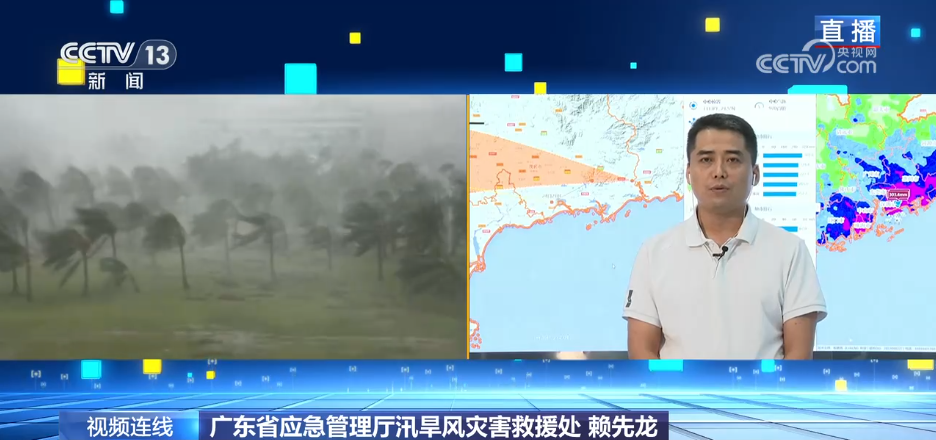
Group 1 - The typhoon "Hagupit" is expected to make landfall in Guangdong, specifically from Shenzhen to Zhanjiang, on September 24, with comparable intensity to previous severe typhoons like "Mangkhut" in 2018 and "Rammasun" in 2015 [2][3] - A number of cities in Guangdong have already implemented a "five-stop" policy: stopping classes, work, production, transportation, and business operations, which is more extensive than the "three-stop" measures taken during "Mangkhut" [3] - The typhoon's circulation diameter exceeds 1,300 kilometers, with wind speeds potentially reaching up to 17 levels, indicating a significant threat to the region [9][11] Group 2 - The typhoon has already caused substantial damage in Taiwan before making landfall, highlighting its destructive potential [4][5] - Precautionary measures are emphasized, including securing windows and doors, especially for residents in high-rise buildings, as wind force increases with height [20][22] - The aftermath of the typhoon may lead to severe flooding, which historically has caused more fatalities than the wind itself, as seen in the 2013 "Haiyan" typhoon [29][30]
深圳核心区放开限购?辟谣
Sou Hu Cai Jing· 2025-09-22 23:11
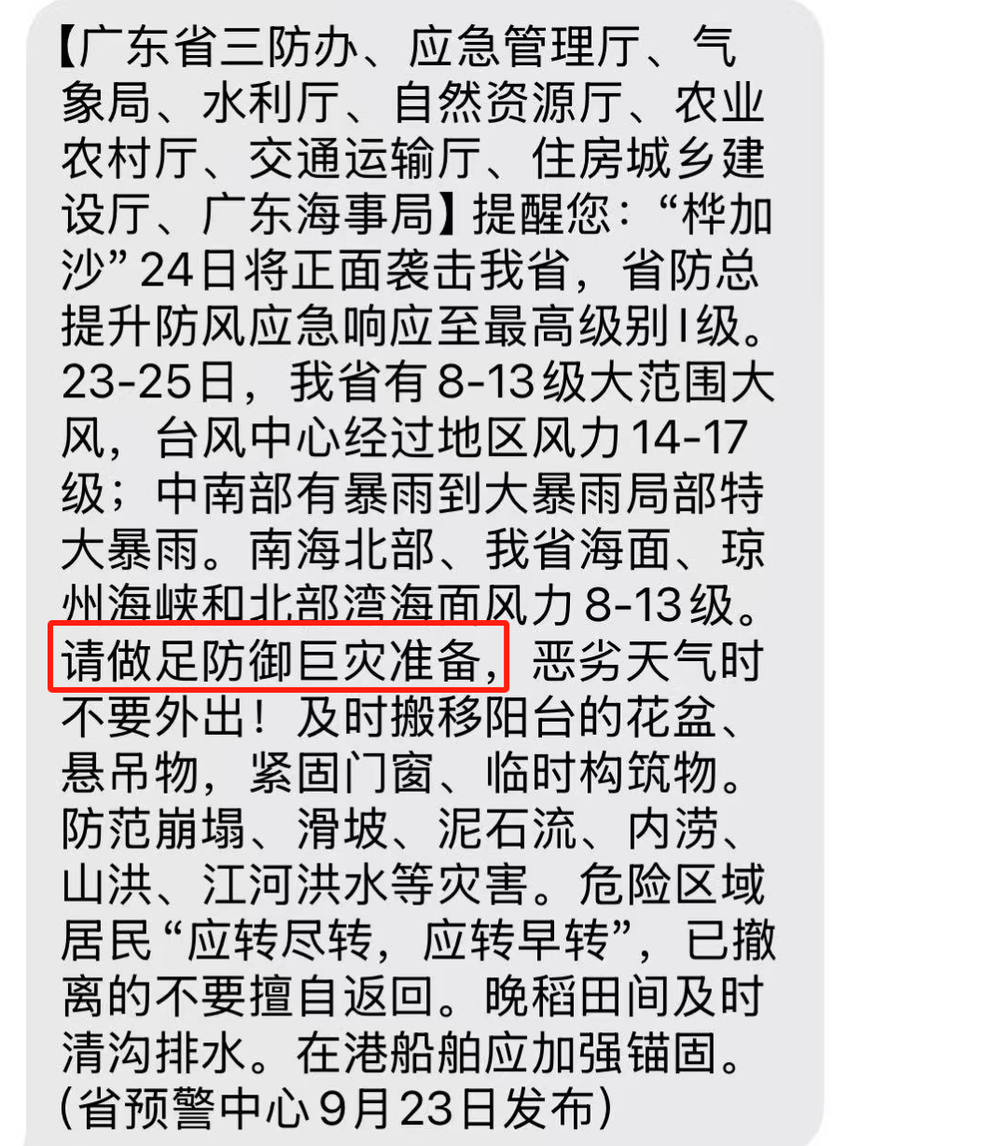
Group 1 - The core point of the article is the clarification regarding the rumor that Shenzhen's core areas are lifting housing purchase restrictions, which is false as the city has implemented differentiated control measures in various districts [5][6][7] - Shenzhen's new real estate regulation allows eligible families to purchase an unlimited number of homes in certain districts, but core areas like Futian and Nanshan still have restrictions in place [5][6] - The public is advised to refrain from believing unofficial sources of information regarding real estate policies [5] Group 2 - The article discusses the impact of Typhoon "Haikui" and provides guidelines for disaster preparedness, emphasizing the importance of understanding local disaster risks and having a family disaster plan [6][7] - It highlights the need for emergency supplies and the importance of regularly checking and updating these supplies to ensure readiness for potential disasters [7] - The article also mentions the central government's initiative to combat negative online sentiments and misinformation, focusing on the need for responsible communication in the digital space [8][9]