
司法体制改革

Search documents
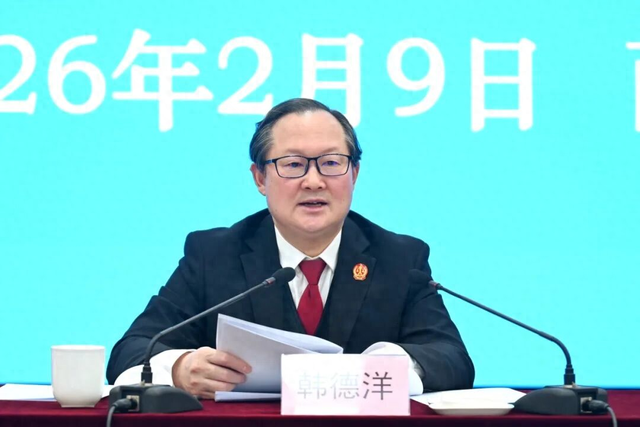
陕西省中级法院院长会议召开
Huan Qiu Wang· 2026-02-10 04:13
Core Viewpoint - The meeting emphasized the importance of adhering to the absolute leadership of the Party in court work and outlined the key tasks for the courts in Shaanxi Province for 2026, marking the beginning of the "15th Five-Year Plan" [3][4]. Group 1: Key Tasks for 2026 - The courts will focus on enhancing judicial authority and public trust, improving mechanisms for judicial fairness and evaluation, and better fulfilling their roles in punishing crimes and protecting the people [3][4]. - The "1281" work plan will guide the courts to maintain the correct political direction in judicial adjudication, promote the rule of law in the economy, and ensure social fairness and justice [3][4]. Group 2: Eight Key Focus Areas - Strengthening legal work in petitioning and conflict resolution, integrating the "Fengqiao Experience" to enhance the legal prevention of disputes [4][5]. - Ensuring national political security and social stability through strict enforcement of criminal laws and policies [5][6]. - Promoting economic development and fairness through civil and commercial law, enhancing judicial protection in key sectors [5][6]. - Enhancing administrative trial supervision to improve administrative governance efficiency [6][7]. - Focusing on ecological and environmental judicial protection, addressing issues like the Qinling "Five Chaos" and the Yellow River ecological challenges [6][7]. - Implementing measures to resolve execution difficulties and improve the execution process [6][7]. - Advancing judicial system reforms and modernizing trial work [7]. - Strengthening party discipline and building a competent judicial team [7].

省政协委员分组讨论两院工作报告
Shan Xi Ri Bao· 2026-01-29 23:26
Core Viewpoint - The reports from the Provincial High People's Court and the Provincial People's Procuratorate highlight significant achievements in promoting a safe and law-abiding Shaanxi, guided by Xi Jinping's thoughts on socialism and the rule of law [1][2]. Group 1: Achievements and Focus Areas - The two institutions have effectively contributed to the construction of a safe and law-based Shaanxi, with reports reflecting high political positioning and a strong focus on people's livelihoods [1]. - The reports are characterized by a comprehensive summary of achievements, prominent highlights, and precise work deployment, demonstrating political responsibility and legal sentiment [1]. Group 2: Suggestions for Improvement - There is a call for continuous deepening of judicial system reforms, particularly in enhancing the quality and efficiency of administrative case handling [2]. - Recommendations include optimizing judicial resource allocation to alleviate the "case overload" issue and improving the evaluation mechanism for judges [2]. - The establishment of a rapid response mechanism for enterprise-related cases is suggested to create a more efficient legal environment for business development [2]. Group 3: Community and Governance - The two institutions have played a crucial role in resolving conflicts and promoting social governance over the past year [2]. - Further enhancement of collaborative mechanisms for grassroots conflict resolution is recommended to better support local governance [2]. - Discussions also focused on optimizing the legal business environment, improving litigation service efficiency, and strengthening public interest litigation [2].
最高法知识产权法庭累计受理案件2.4万余件
Ren Min Ri Bao· 2026-01-28 22:12
Core Insights - The Supreme People's Court of China released the "Annual Report of the Intellectual Property Court (2025)", highlighting significant achievements since its establishment in January 2019, including the acceptance of 24,602 cases and the conclusion of 23,069 cases [1] - In 2025 alone, the court accepted 4,679 cases and concluded 3,146 cases, demonstrating its active role in promoting technological innovation and fair market competition [1] Group 1: Case Management and Judicial Impact - The court has centralized jurisdiction over technology-related intellectual property and antitrust appeal cases, addressing inconsistencies in judicial standards and alleviating concerns over local protectionism [1] - The quality of judicial outcomes has significantly improved, as indicated by various judicial quality metrics [1] Group 2: International Influence and Case Statistics - The court's credibility and international influence regarding intellectual property have increased, with a notable number of cases having significant domestic and international impact [1] - The court has accepted 2,546 foreign-related cases, accounting for 10.3% of total cases, with an annual growth rate of 18.7%, and has concluded 2,046 of these cases [1] - The court is actively exploring issues related to global licensing disputes over standard-essential patents, including jurisdiction, injunctions, and rate determinations [1]
省级法检“两长”,同庭办案
Bei Jing Ri Bao Ke Hu Duan· 2025-10-21 12:45
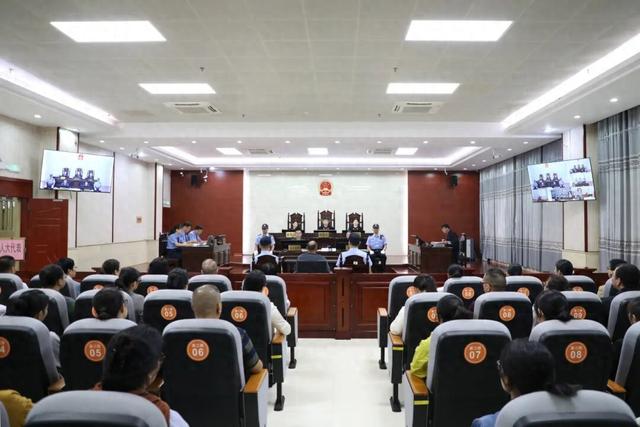
Group 1 - The case involves the appeal of a defendant, Lu, who was sentenced to death for intentional homicide after killing two individuals, including a child [3][6] - The trial was presided over by Huang Hailong, the president of the Guangxi High Court, with the public prosecutor, Yang Zhenggen, also present to fulfill his duties [3][6] - The incident occurred on February 11, 2025, when Lu attacked the victims with multiple weapons, resulting in one death and one severe injury [3][6] Group 2 - The second trial emphasized the procedural integrity, with the presiding judge ensuring a structured courtroom process, including investigation and debate phases [6] - The prosecutor recommended that the appeal be rejected and the original sentence upheld, highlighting the case's significance in the judicial system [6] - The collaboration between the court and prosecution leadership is part of ongoing judicial reforms aimed at enhancing the efficiency and credibility of the legal process in Guangxi [6][7]
为司法事业选好人管好人 朱忠明主持座谈会并讲话
Jie Fang Ri Bao· 2025-08-28 01:42
Group 1 - The meeting emphasized the importance of implementing Xi Jinping's rule of law thought and the central and municipal decisions on deepening judicial system reform [1] - The selection and disciplinary committees are tasked with ensuring a standardized and orderly process in selecting judges and prosecutors, focusing on political quality, professional competence, and ethical standards [1] - The disciplinary committee is expected to conduct objective and fair professional reviews, integrating the disciplinary system with party and administrative sanctions to foster a clean judicial environment [1] Group 2 - The meeting was attended by key officials including the president of the municipal high court and the chief prosecutor, who also delivered speeches [2] - Certificates of appointment were presented to all committee members during the meeting [2]
省法院已累计组织遴选员额法官(递补人选)7546名
Liao Ning Ri Bao· 2025-08-25 01:27
Core Viewpoint - The recent selection exams for judges in Liaoning Province highlight the ongoing judicial reform efforts aimed at enhancing the quality and efficiency of the judicial system through a structured selection process for judges [1] Group 1: Selection Process - A total of 554 individuals participated in the quota judge selection exam, while 145 individuals took part in the progressive selection exam for judges [1] - Since the implementation of the quota system reform, the provincial court has organized nine batches of quota selections, resulting in the selection of 7,546 quota judges (including substitutes) [1] - The provincial court and relevant intermediate courts have conducted three batches of progressive selections, resulting in the selection of 119 judges from lower courts [1] Group 2: Reform Implementation - The quota and progressive selection processes are crucial components of the judicial system reform, facilitating the healthy flow of talent between upper and lower courts [1] - The provincial court has continuously improved the selection criteria, adjusting requirements related to educational background, legal work experience, and years of service in judicial support roles [1] - The inclusion of lawyer practice experience in the judicial support work experience and the implementation of a points system for experience in people's courts are part of the efforts to strengthen the selection process [1] Group 3: Talent Support - The policy allows for vacancies created by upper court selections to be filled by lower court selections, ensuring timely replenishment of vacant positions [1] - These measures are designed to provide robust talent support for the high-quality development of the provincial court system [1]