生态环境司法保护

Search documents
陕西省中级法院院长会议召开
Huan Qiu Wang· 2026-02-10 04:13
Core Viewpoint - The meeting emphasized the importance of adhering to the absolute leadership of the Party in court work and outlined the key tasks for the courts in Shaanxi Province for 2026, marking the beginning of the "15th Five-Year Plan" [3][4]. Group 1: Key Tasks for 2026 - The courts will focus on enhancing judicial authority and public trust, improving mechanisms for judicial fairness and evaluation, and better fulfilling their roles in punishing crimes and protecting the people [3][4]. - The "1281" work plan will guide the courts to maintain the correct political direction in judicial adjudication, promote the rule of law in the economy, and ensure social fairness and justice [3][4]. Group 2: Eight Key Focus Areas - Strengthening legal work in petitioning and conflict resolution, integrating the "Fengqiao Experience" to enhance the legal prevention of disputes [4][5]. - Ensuring national political security and social stability through strict enforcement of criminal laws and policies [5][6]. - Promoting economic development and fairness through civil and commercial law, enhancing judicial protection in key sectors [5][6]. - Enhancing administrative trial supervision to improve administrative governance efficiency [6][7]. - Focusing on ecological and environmental judicial protection, addressing issues like the Qinling "Five Chaos" and the Yellow River ecological challenges [6][7]. - Implementing measures to resolve execution difficulties and improve the execution process [6][7]. - Advancing judicial system reforms and modernizing trial work [7]. - Strengthening party discipline and building a competent judicial team [7].

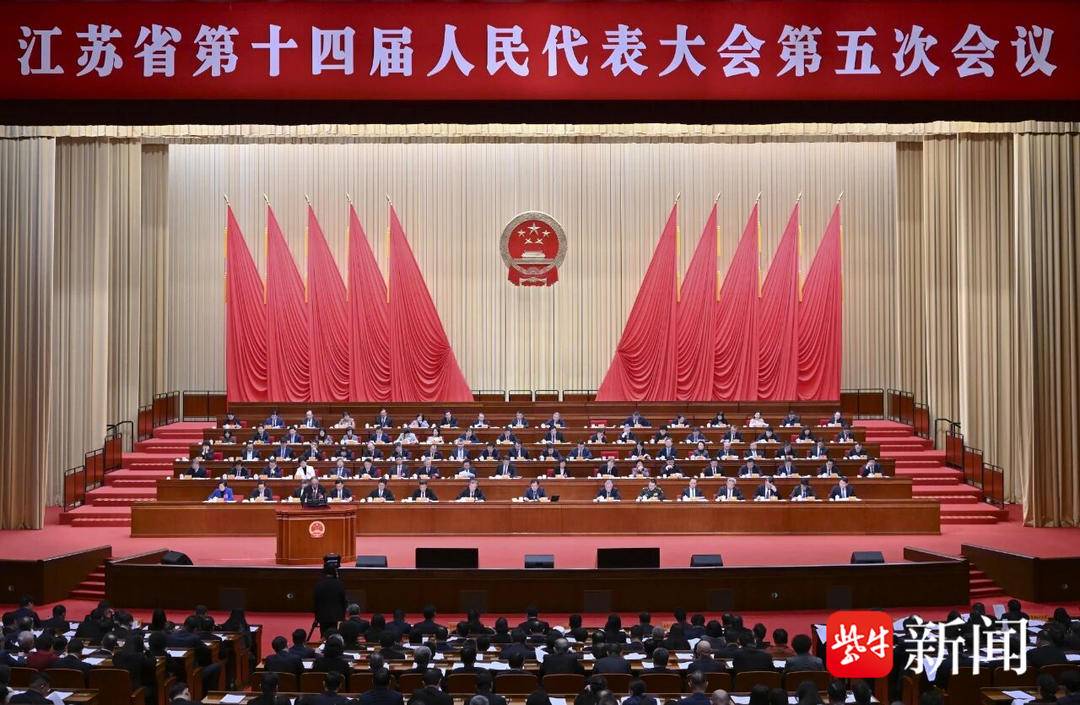
2026江苏两会 ▏深化国际司法合作,“泰国坠崖孕妇”离婚案被写入高院工作报告
Yang Zi Wan Bao Wang· 2026-02-05 11:01
Group 1 - The Jiangsu Provincial High People's Court reported that in 2025, the province is expected to receive 2.6968 million new cases and conclude 2.5461 million cases, with judges averaging 363.4 cases resolved each, maintaining a leading position nationally in trial and enforcement work [1] - The court has implemented 20 judicial measures to strengthen the strictest protection of intellectual property rights, including punitive damages in 84 cases to deter infringement [3] - The court has ruled against restrictive insurance clauses that discriminate against private hospitals, concluding 233,200 commercial cases with a total amount of 190.119 billion yuan, promoting a fairer business environment [4] Group 2 - The court has strengthened international judicial cooperation, resolving foreign-related commercial disputes involving parties from 110 countries, with 92 cases where foreign parties chose Jiangsu courts for jurisdiction [5] - The court has taken measures to protect ecological and cultural heritage along the Grand Canal, holding accountable those involved in illegal sand mining and facilitating the orderly progress of renewable energy projects [6] - The court has actively addressed social stability issues, punishing serious crimes and fraud, including a case where a group defrauded over 5.3 billion yuan from more than 3,000 individuals [7] Group 3 - The court has ruled in a high-profile case regarding the invalidation of gifts based on improper relationships, ordering the return of misused joint property, and has addressed issues related to high bride prices and marriage agency misconduct [8]
四地协同发力筑牢司法保护屏障 推动长江流域生态产品价值实现
Chang Jiang Shang Bao· 2025-11-24 00:32
Core Viewpoint - Establishing a sound mechanism for realizing the value of ecological products is essential for modernizing the ecological environment governance system and promoting a comprehensive green transformation of economic and social development [1] Group 1: Judicial Collaboration and Ecological Protection - The judicial practices in Hubei, Chongqing, Yunnan, and Jiangxi are collaboratively addressing ecological protection challenges in the Yangtze River basin, enhancing the potential value of ecological products through innovative measures [1] - Hubei courts focus on ecological restoration by closely monitoring the post-judgment restoration process and exploring new restoration methods [2] - Chongqing courts have developed a collaborative judicial protection framework to meet public demands for clean air and water, promoting the integration of ecological and cultural tourism [4][5] Group 2: Ecological Restoration Initiatives - Hubei courts have initiated four ecological judicial protection tourism routes and launched demonstration projects to expand the influence of ecological restoration [2] - The Chongqing "Carbon Benefit" platform has facilitated the trading of carbon credits, with a cumulative transaction volume of approximately 5.14 million tons and a transaction value exceeding 143 million yuan [5] - Yunnan courts have established a comprehensive governance model that integrates criminal prosecution, public interest litigation, ecological restoration, and industry replacement [6][7] Group 3: Value Realization of Ecological Products - Jiangxi courts are exploring new methods for trial execution in environmental resource cases, promoting the awareness that "the environment has value, and damage incurs responsibility" [8] - The establishment of a "three documents and one trial" model in Jiangxi has encouraged defendants to voluntarily purchase carbon credits as a form of ecological restoration [9]
看,湖北法院系统的“绿色守护”
Xin Hua Wang· 2025-11-18 01:07
Core Viewpoint - The Hubei court system prioritizes the restoration of the Yangtze River's ecological environment, implementing strict legal measures to support high-level ecological protection and high-quality development of the Yangtze Economic Belt [1][3]. Group 1: Judicial Protection Initiatives - Hubei has established over 180 ecological judicial protection sites, creating the largest judicial protection matrix in the Yangtze River basin, covering key water areas and protected species [2][3]. - The Hubei court system has set up 104 ecological circuit courts and environmental resource trial teams, forming a new pattern of environmental resource trial work [3][4]. - The courts have handled 9,801 various environmental resource cases and 796 public interest litigation cases since the implementation of the Yangtze Protection Law [4]. Group 2: Ecological Restoration Efforts - In 2024, the Hubei court system ordered the planting of over 37,000 trees and the release of 17.15 million fish fry as part of ecological restoration efforts [3]. - The Hubei court system aims to integrate ecological restoration with judicial processes, utilizing diverse methods for environmental remediation [3][6]. Group 3: Collaborative Efforts and Community Engagement - Hubei courts have initiated tourism routes that connect ecological sites with judicial protection stories, enhancing public awareness of environmental protection [5][6]. - Collaborative law enforcement efforts have been established across provinces to protect the ecological environment of the Danjiangkou Reservoir, a key water source [8][9]. Group 4: Innovative Judicial Measures - The Hubei court system has introduced innovative measures such as carbon credit pledges to facilitate environmental compensation and restoration [7][10]. - The courts are fostering a multi-party governance model that includes administrative enforcement, judicial actions, and community involvement to enhance ecological protection [10].
打造全域生态环境修复新实践
Xin Hua Ri Bao· 2025-10-14 20:31
Core Insights - The article highlights the proactive measures taken by the Guannan Court to enhance ecological restoration effectiveness through innovative judicial protection mechanisms [1][2] - A total of 136 environmental resource criminal cases with civil public interest lawsuits have been adjudicated in 2024, resulting in ecological restoration compensation of 34.515 million yuan [1] - The establishment of the first national marine ranch environmental judicial execution base has facilitated the release of 22.42 million fish, shrimp, and crab seedlings [1] Group 1 - The Guannan Court has developed a substantial restoration mechanism to support environmental resource trials, ensuring effective judicial services and guarantees [1] - The court has invested 2.92 million yuan in ecological restoration funds since its establishment, contributing to the construction of the Haizhou Bay marine ranch and the restoration of fishery ecological resources [1] - A multi-faceted approach to marine ecological judicial restoration has been implemented, including the release of seedlings, labor compensation, and blue carbon subscription [1] Group 2 - In 2019, the Guannan Court facilitated the Guannan County People's Government to be the first in the province to issue the "Implementation Measures for the Management of Ecological Restoration Funds in the Gu River Basin" [2] - Over 5.7 million yuan has been invested by the Guannan Court in government environmental projects since the implementation of the measures [2] - The establishment of a 7,500-acre environmental judicial execution base in Lijizhen has led to the planting of over 6,000 economic and ecological trees, managed by local disadvantaged farmers [2]
最高检发布10件生态环境检察典型案例
Xin Hua She· 2025-08-27 10:32
Group 1 - The Supreme People's Procuratorate released 10 typical cases of ecological environment prosecution, highlighting the focus, difficulties, and key points in judicial protection of the ecological environment [1] - In a notable case, 24 individuals and 8 companies were involved in illegally discharging 23,125 tons of hazardous waste into the Yangtze River, causing ecological damage valued at over 106 million yuan [1] - The procuratorial authority in Wuhu City implemented a comprehensive accountability system, holding all parties responsible for the illegal waste discharge, including criminal and civil public interest lawsuits [1] Group 2 - In another case, two management personnel from a key polluting enterprise in Chongqing were sentenced for interfering with automatic monitoring data collection, which occurred 1,560 times over more than 20,000 minutes [2] - The Hubei Province's Xianing City Procuratorate initiated administrative public interest litigation to address various ecological issues in the Axe Head Lake area, promoting inter-departmental collaboration for long-term governance [2] - The Zhejiang Province's Huzhou City South Xun District Procuratorate utilized big data legal supervision models to identify widespread issues in industries like furniture manufacturing and textile dyeing, pushing for regulatory compliance and technological upgrades [2] Group 3 - Judicial authorities are exploring ways to restore damaged ecological resources while handling cases, as seen in Hunan Province where over 260 acres of illegally damaged forest land were addressed through administrative public interest litigation [3] - The procuratorial body issued recommendations to forestry departments to ensure compliance and effective ecological restoration, leading to the development of replanting and greening plans [3]
《中共中央关于加强新时代审判工作的意见》发布 加强金融审判完善法治化营商环境严惩操纵市场内幕交易等金融犯罪
Zheng Quan Shi Bao· 2025-07-14 18:42
Group 1 - The core viewpoint of the article emphasizes the strengthening of judicial work in the financial sector, targeting financial crimes such as market manipulation, insider trading, and money laundering, while also improving the legal framework for digital currencies and cross-border financial disputes [1][2] - The document outlines the need for a fair judicial environment to support high-quality development and security, ensuring equal penalties for violations of various ownership rights and legal interests [2][3] - It highlights the importance of enhancing the judicial protection of intellectual property rights, particularly in key technological innovation and trade secrets, and improving the appellate review mechanism for intellectual property cases [3] Group 2 - The article discusses the need for stricter regulations and judicial measures against environmental pollution and ecological damage, promoting a judicial responsibility system focused on ecological restoration [3] - It emphasizes the protection of civil rights in areas such as employment, healthcare, and consumer rights, ensuring fair labor practices and timely compensation for workers [3] - The document also addresses the enhancement of foreign-related judicial work, including measures against sanctions and interference, and the establishment of a judicial protection mechanism for overseas interests [3]
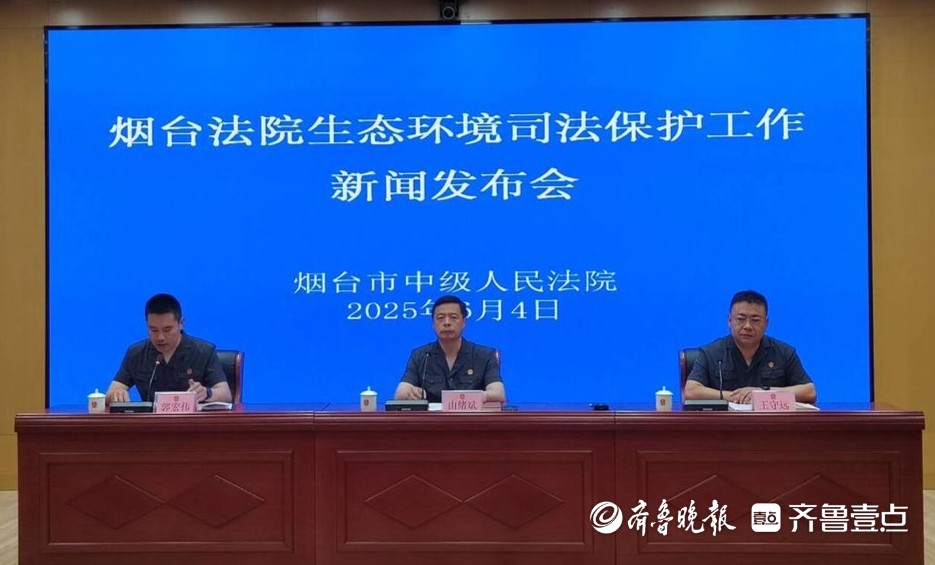
2024年以来,烟台法院审结各类环境资源案件1378件
Qi Lu Wan Bao Wang· 2025-06-04 07:25
Core Viewpoint - The Yantai Municipal Court has actively engaged in ecological and environmental judicial protection, addressing various environmental resource cases and enhancing legal frameworks to support sustainable development and ecological restoration [1][3][5]. Group 1: Environmental Judicial Protection - Since the beginning of 2024, Yantai courts have received 1,493 environmental resource cases and concluded 1,378 cases [1]. - The courts have focused on "justice and efficiency," strictly punishing environmental crimes, with 39 cases of illegal hunting and 7 cases of environmental pollution concluded [3]. - A total of 206 administrative environmental resource cases were resolved, supporting the enforcement of environmental laws [3]. Group 2: Specific Environmental Cases - The courts have adjudicated 66 cases related to illegal mining and 26 cases of illegal fishing, ensuring compliance with seasonal fishing bans [4]. - In a notable case, the court mandated the release of over 726,300 fish fry into designated marine areas as part of ecological restoration efforts [4]. Group 3: Agricultural and Rural Land Protection - The courts have maintained a zero-tolerance policy towards illegal occupation of agricultural land, concluding 11 such cases [4]. - A total of 241 rural land contract disputes were resolved, facilitating land transfer and agricultural production [4]. Group 4: Collaborative Legal Frameworks - Yantai courts have established a collaborative framework with local environmental and law enforcement agencies to enhance the prosecution of environmental crimes, resolving 155 criminal cases related to environmental resources [4]. - The court is advancing the integration of criminal, civil, and administrative environmental adjudication to improve the quality of environmental justice [5].