
鼻病毒感染

Search documents
普通感冒“元凶”无需过度担忧
Xin Lang Cai Jing· 2026-01-09 18:43
Core Insights - The article discusses the prevalence of rhinovirus infections, which are the primary cause of the common cold, and reassures the public that there is no need for excessive concern as it is a common pathogen that has coexisted with humans for a long time [1][2]. Group 1: Rhinovirus Overview - Rhinovirus is responsible for approximately 30% to 50% of common cold cases globally [1]. - Symptoms of rhinovirus infection primarily include nasal congestion, clear nasal discharge, and sore throat, with mild systemic symptoms [1]. Group 2: Clinical Insights - Adults typically experience low-grade fever or no fever, while children may have a higher likelihood of fever and infants may refuse to eat due to nasal congestion [1]. - It is advised not to use antibiotics for rhinovirus infections, as they are viral in nature; symptomatic treatment is recommended [1]. Group 3: Prevention and Recovery - Daily preventive measures include frequent handwashing, proper ventilation, reducing contact with infected individuals, maintaining household cleanliness, and enhancing immunity [2]. - Most healthy individuals can recover from rhinovirus infections within 7 to 10 days [2].
鼻病毒感染频发?普通感冒“元凶”无需过度担忧
Xin Hua She· 2026-01-09 03:47
Core Insights - The latest monitoring data from the Chinese Center for Disease Control and Prevention (CDC) indicates that influenza activity in China has dropped to a moderate epidemic level, with a declining trend in the positive rate of influenza virus tests across provinces [1] - The positive rate of rhinovirus tests is fluctuating at a certain level, with rhinovirus being identified as a major cause of the common cold, historically coexisting with humans and currently lacking specific treatments or vaccines [1] Group 1 - Rhinovirus is responsible for approximately 30% to 50% of common cold cases globally, and its increased visibility in recent years is attributed to advancements in detection technology [1] - Core symptoms of rhinovirus infection include nasal congestion, clear nasal discharge, and sore throat, with mild systemic symptoms; adults may experience low-grade fever or no fever, while children are more likely to have fever and infants may refuse to feed due to nasal congestion [1][2] - It is advised not to use antibiotics for rhinovirus-induced colds, and symptomatic treatment such as decongestants or antihistamines should be used under medical guidance; non-pharmacological methods like rest, hydration, light diet, and indoor ventilation are recommended for symptom relief [1] Group 2 - Daily preventive measures against colds include frequent handwashing, proper ventilation, reducing contact with infected individuals, maintaining household cleanliness, and enhancing immunity [2] - Most healthy individuals can recover from rhinovirus infections within 7 to 10 days; however, vulnerable populations such as infants, the elderly, and those with weakened immune systems should seek medical attention if symptoms persist beyond three days or if severe symptoms occur [2]
阳性率上升,无特效药和疫苗!中疾控最新提醒
Xin Lang Cai Jing· 2026-01-08 21:02
Core Viewpoint - The Chinese Center for Disease Control and Prevention has reported an increase in the positive rate of rhinovirus among outpatient flu-like cases, indicating that rhinovirus is a major pathogen causing respiratory symptoms alongside influenza [1] Group 1: Rhinovirus Overview - Rhinovirus, also known as Human Rhinovirus (HRV), is a small single-stranded RNA virus and a primary cause of the common cold, prevalent in both adults and children, accounting for 30% to 50% of acute upper respiratory infections in children [1] - Rhinovirus spreads primarily through respiratory droplets and contact transmission, surviving for hours on surfaces at room temperature [1] Group 2: Symptoms Comparison - Rhinovirus symptoms are predominantly upper respiratory, including nasal congestion, clear nasal discharge, and sneezing, with mild systemic symptoms [2] - Influenza symptoms are more systemic, typically presenting with high fever, headache, body aches, and significant fatigue, while nasal symptoms are less pronounced [2] Group 3: Recovery and Risks - Most healthy individuals recover from rhinovirus infections within 7 to 10 days, but special populations (infants, elderly, immunocompromised) may face risks of lower respiratory infections or exacerbations of asthma and COPD [2][3] Group 4: Prevention Strategies - There are currently no specific medications or vaccines for rhinovirus; prevention focuses on non-pharmaceutical measures such as hand hygiene, ventilation, and avoiding close contact with infected individuals [4] - Home care recommendations include rest, hydration, and maintaining indoor humidity, while infected individuals should practice respiratory hygiene to prevent transmission [4] Group 5: Common Misconceptions - Antibiotics should not be used for rhinovirus infections as they are ineffective against viral infections [5] - Antiviral medications like Oseltamivir are also ineffective against rhinovirus [6] - Symptoms that worsen, such as persistent high fever or difficulty breathing, require immediate medical attention [8]


阳性率上升!抗生素无效,无特效药和疫苗!
Xin Lang Cai Jing· 2026-01-08 14:51
Group 1 - The core point of the article highlights the rising positivity rate of rhinovirus in outpatient flu-like cases, indicating it as a major pathogen causing respiratory symptoms alongside influenza virus [1] - The article emphasizes that rhinovirus infections are generally self-limiting in healthy individuals, typically resolving within 7 to 10 days, but special populations such as infants, the elderly, and immunocompromised individuals should be cautious as they may develop lower respiratory infections or exacerbate conditions like asthma and COPD [2] - It is advised to seek medical attention if symptoms persist, such as fever lasting more than three days, lethargy, shortness of breath, or dehydration in infants [3] Group 2 - The article outlines preventive measures against rhinovirus, emphasizing non-pharmaceutical interventions such as frequent handwashing, proper ventilation, minimizing contact with infected individuals, and maintaining household cleanliness [4] - Recommendations for home care include adequate rest, hydration, using saline sprays for nasal congestion, and maintaining indoor humidity levels between 50% and 60% [4] - It warns against the misuse of antibiotics and antiviral medications like oseltamivir, which are ineffective against rhinovirus, and stresses the importance of monitoring symptoms for any deterioration that requires immediate medical attention [5][6][7] Group 3 - The article notes that respiratory syncytial virus (RSV) infections are common in young children, particularly those under two years old, and can lead to severe respiratory issues [8] - It reiterates that winter is a peak season for respiratory infections, and emphasizes that rhinovirus infections are common yet manageable with proper preventive measures [9]

科学与健康丨秋冬时节 如何守护好我们的呼吸道
Xin Hua She· 2025-11-10 23:18
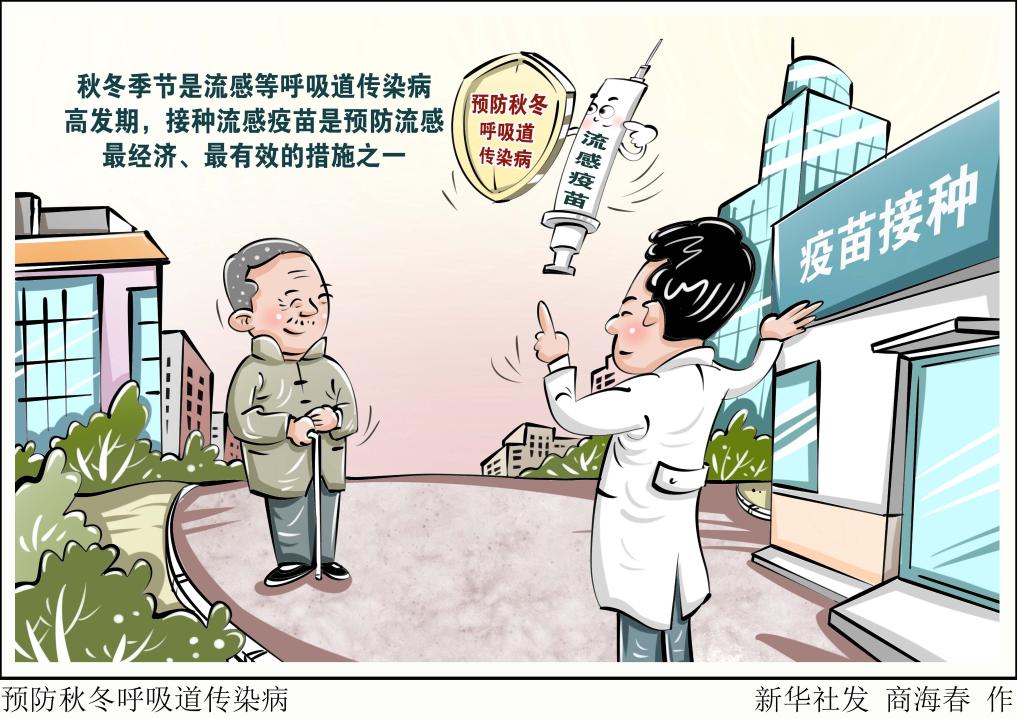
Core Points - The current influenza activity in China is at a moderate epidemic level, with the H3N2 subtype accounting for over 95% of cases, while H1N1 and B viruses are also circulating [2] - The flu season is expected to see a rise in acute respiratory infections, particularly in southern regions of China [2] - Vaccination is emphasized as the most effective method for preventing respiratory infectious diseases, with ongoing efforts to provide free flu vaccinations to vulnerable populations [7] Group 1: Influenza Overview - The overall influenza activity is moderate, with a significant prevalence of H3N2 subtype [2] - Symptoms of influenza include high fever, headaches, muscle aches, and fatigue, distinguishing it from common colds which typically present milder symptoms [2] - Monitoring of acute respiratory infections is being conducted to track pathogen changes and strain variations [3] Group 2: Rhinovirus and Treatment - Rhinovirus is a common cause of colds, responsible for 30% to 50% of cases globally, and is characterized by strong infectivity but generally mild symptoms [5] - Non-antibiotic treatments are recommended for rhinovirus infections, focusing on rest, hydration, and maintaining a humid environment [5] - Medical attention is advised if symptoms persist beyond 10 days or worsen significantly [5][8] Group 3: Vaccination and Prevention - Vaccination against influenza is crucial due to the virus's ability to mutate, with annual updates to vaccine strains based on global monitoring [7] - There is currently no vaccine for rhinovirus, but preventive measures such as mask-wearing, hand hygiene, and maintaining a healthy lifestyle are recommended [7] - Special attention should be given to the health of children, the elderly, and those with chronic conditions during the flu season [8]
国家疾控局提示当前流感总体处于中流行水平
Xin Hua Wang· 2025-11-10 09:32
Core Viewpoint - The article highlights the rising trend of acute respiratory infectious diseases in China, including influenza, respiratory syncytial virus, and rhinovirus infections, indicating the onset of the respiratory infectious disease epidemic season. Experts recommend timely vaccination against influenza and other related viruses [1]. Group 1: Current Situation - The overall influenza activity in China is at a moderate epidemic level, currently in an upward phase, with southern provinces experiencing higher activity than northern ones [1]. - The H3N2 subtype of the influenza virus accounts for over 95% of the cases, with a small number of H1N1 and B-type influenza viruses circulating concurrently [1]. Group 2: Pathogens and Vaccination - The main pathogens causing acute respiratory infections at this stage are known common pathogens, with no new or unknown pathogens detected [1]. - Due to the variability of the influenza virus, the components of the influenza vaccine are adjusted and updated annually, and immunity has a time-limited effectiveness. Therefore, it is recommended to get vaccinated before the peak of the local influenza season [1]. - Vaccination is beneficial and recommended at any time during the influenza season, even if it is not done before the peak [1].