呼吸道疾病预防

Search documents
寒潮预警来了,这份“健康预警”请收好
Xin Lang Cai Jing· 2026-01-18 10:11
Core Viewpoint - The article discusses the impact of the recent cold wave and severe weather conditions in central and eastern regions of China, particularly focusing on health risks associated with low temperatures and snow, and provides preventive measures for vulnerable populations [1]. Group 1: Health Risks - The cold wave is expected to bring the lowest temperatures of -5℃ to -3℃, increasing the risk of respiratory and cardiovascular diseases, as well as injuries from slips and falls [1][2]. - Cardiovascular disease patients are particularly at risk due to increased blood pressure and heart load caused by cold weather, necessitating careful monitoring and preventive measures [2]. - The elderly are at higher risk of falls and fractures due to slippery conditions, with recommendations to minimize outdoor activities and wear appropriate footwear [3]. Group 2: Preventive Measures - To prevent hypothermia, individuals should seek warmth, remove wet clothing, and warm core body areas if exposed to cold for extended periods [4]. - Good personal hygiene practices, such as frequent handwashing and wearing masks in crowded places, are essential to prevent respiratory infections during the winter season [5][6]. - Vaccination against influenza and pneumonia is recommended to bolster defenses against respiratory diseases [7].
呼吸道受凉容易生病
Xin Lang Cai Jing· 2025-12-25 16:21
Group 1 - The article highlights the increase in respiratory diseases during colder weather, indicating that this is not merely a perception but a reality influenced by cold air [1] - Cold air causes blood vessels in the respiratory mucosa to constrict, leading to reduced local blood supply and increased vulnerability [1] - The movement of cilia on the respiratory mucosal epithelium slows down or even falls off, resulting in increased secretion of airway fluids that can trap pathogens [1] Group 2 - Preventive measures against respiratory diseases include wearing masks when going out, frequent hand washing, and ensuring proper warmth, particularly for the head, neck, abdomen, and feet [1]
享受“冰雪热”,也要当心“温差刺客”
Xin Hua Wang· 2025-12-18 14:17
Group 1 - The peak season for ice and snow tourism has arrived, with attractions like Harbin Ice and Snow World experiencing a surge in visitors from southern regions, highlighting the significant temperature difference [1] - Medical professionals warn that winter is not only a high season for respiratory diseases but also a critical period for cardiovascular diseases [1] Group 2 - Sudden temperature changes can easily trigger acute medical conditions, emphasizing the need for awareness among tourists [2] - Maintaining a balanced diet is crucial during this season, as it can help mitigate health risks associated with extreme weather [4]


气温“过山车”,容易对人造成哪些伤害?如何防护?北京疾控提醒
Xin Jing Bao· 2025-11-24 05:17
Group 1 - The Beijing Meteorological Bureau issued a yellow wind warning on November 23, indicating that temperatures will drop significantly due to strong cold air, with nighttime lows reaching -3°C and daytime highs falling to single digits on November 24 and 25 [1] - The Beijing CDC advises the public to take precautions against cold weather, especially for vulnerable populations who are at higher risk for respiratory diseases and cardiovascular issues during this period [1] Group 2 - Cold weather can increase the risk of cardiovascular diseases as cold stimuli cause blood vessels to constrict, raising blood pressure and heart strain, potentially leading to conditions like angina, myocardial infarction, and stroke [2] - Respiratory diseases are more prevalent in winter, with cold air and dust exacerbating conditions such as asthma and chronic bronchitis; patients are advised to wear masks and maintain indoor air circulation [2] - Cold temperatures can lead to joint issues, with reduced blood circulation causing pain and stiffness; individuals with previous injuries or arthritis should keep joints warm and engage in light exercises [2] Group 3 - During windy weather, it is recommended to wear masks and use public transportation instead of bicycles or electric vehicles to ensure safety [3] - Maintaining indoor air circulation is crucial, with recommendations to ventilate rooms at least 2-3 times a day for over 30 minutes to reduce the risk of respiratory disease transmission [3] - A balanced diet rich in protein and high-calorie foods is suggested to help the body resist cold, alongside adequate intake of fresh fruits and vegetables [3] Group 4 - Ensuring sufficient sleep and maintaining a regular schedule while avoiding late nights can enhance the immune system [4]
阿斯塔纳进入呼吸道疾病高发期 市政府采取多项保障措施
Zhong Guo Xin Wen Wang· 2025-11-18 07:56
Core Viewpoint - Astana has entered a peak period for respiratory diseases, with an increase in acute respiratory virus infections and flu cases reported recently [1] Group 1: Disease Statistics - Over 82,000 cases of respiratory infections have been recorded in Astana since the beginning of the autumn-winter season, showing a slight increase compared to the same period last year [1] - A significant proportion of the cases involves children under 14 years old [1] Group 2: Disease Types and Vaccination - The main strains monitored this autumn-winter season include H1N1, H3N2, and type B influenza, with vaccination being effective for these strains [1] - As of November 14, nearly 150,000 residents in Astana have received the flu vaccine [1] Group 3: Healthcare Measures - Hospitals in Astana have increased bed capacity in response to the rising number of patients [1] - Several outpatient facilities have established dedicated consultation rooms to enhance care for vulnerable groups such as pregnant women and infants [1] - To improve patient intake efficiency, children's hospitals have added consultation windows and increased medical staff [1] - The overall medical resources in the city are reported to be sufficient at this time [1] Group 4: Public Health Recommendations - Experts recommend that the public wear masks in crowded places, maintain hand hygiene, and ensure proper ventilation indoors during the peak of respiratory diseases [1] - The health department urges the public to choose medical services wisely and avoid crowding emergency departments to enhance treatment efficiency [1]
呼吸道疾病高发期,多种病原体混合感染莫大意!预防小妙招→
Sou Hu Cai Jing· 2025-11-16 08:42
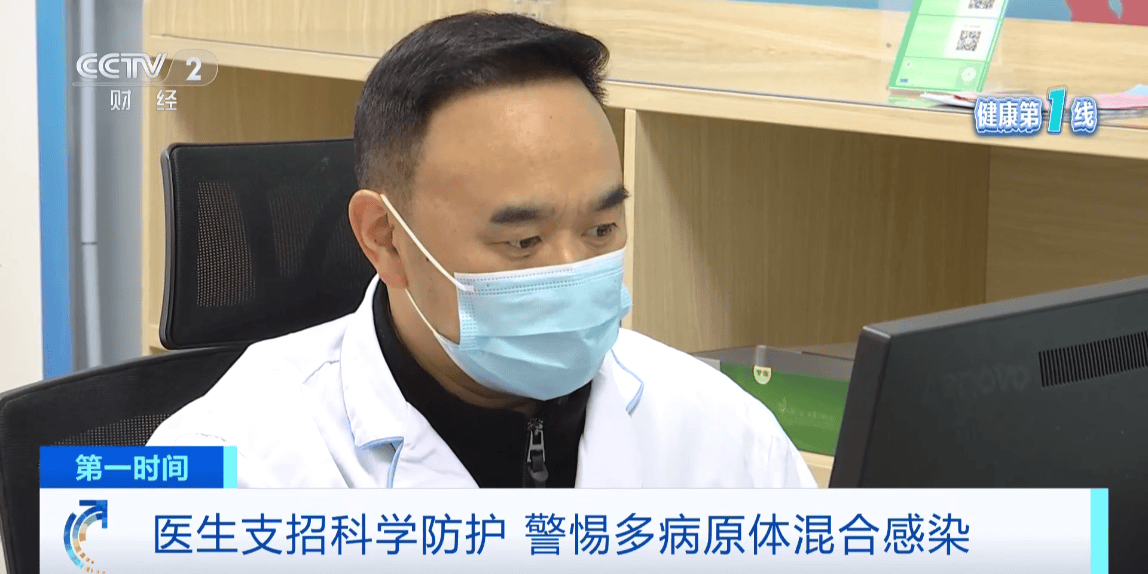
Core Viewpoint - The article emphasizes the rising incidence of respiratory diseases and the risk of mixed infections from various pathogens, urging caution and proactive health measures during this peak season [1][3]. Group 1: Current Health Situation - The current medical consultations indicate a high prevalence of pneumonia caused by mixed infections of viruses, bacteria, and mycoplasma [3]. - Mixed infections can provoke abnormal immune responses, leading to excessive inflammatory reactions, which may result in severe pulmonary complications, often appearing as "white lung" on medical imaging [3]. Group 2: Recommendations for Prevention - Experts recommend that high-risk groups, such as the elderly, receive flu vaccinations as respiratory diseases are on the rise [3]. - It is advised to maintain good ventilation in schools and homes, minimize visits to crowded places, and ensure adequate rest and nutrition to enhance immune resistance [5].
咽痛、咳嗽、发烧病例明显增加,夏季呼吸道疾病高发如何应对?
Sou Hu Wang· 2025-05-16 07:00
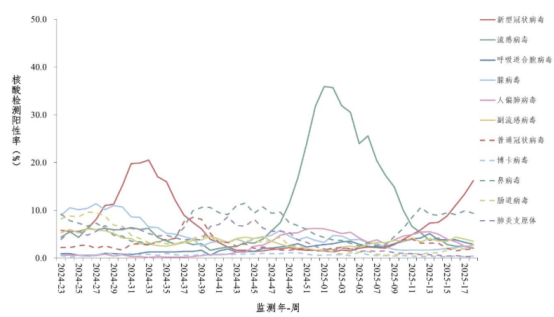
Core Insights - The article highlights a significant increase in respiratory diseases, particularly COVID-19, during the transition from spring to summer, with a notable rise in positive testing rates across various regions in China [1][3]. Group 1: Respiratory Disease Trends - The positivity rate for COVID-19 testing has been on the rise since April, with southern provinces showing a notably higher rate compared to northern ones. The proportion of COVID-19 cases among outpatient flu-like cases increased from 7.5% to 16.2% [1]. - Among adults aged 15 and older, COVID-19 positivity rates are the highest in both outpatient and inpatient cases. The rate of COVID-19 in severe acute respiratory infection cases rose from 3.3% to 6.3% [1]. Group 2: Causes and Transmission - Respiratory infectious diseases are caused by pathogens entering through the respiratory tract, with common pathogens including viruses and bacteria. The fluctuation in temperature and increased humidity in May contribute to a higher survival rate of viruses [3][4]. - The transmission of respiratory diseases occurs through various means, including droplet transmission, airborne transmission, and contact transmission [5][6][7]. Group 3: Prevention Measures - Emphasis is placed on personal hygiene, such as frequent handwashing, especially after contact with public facilities, to reduce the risk of virus transmission [8][9]. - It is recommended to ensure proper indoor air circulation by ventilating spaces at least three times a day for a minimum of 15 minutes to lower indoor virus concentrations [10]. - The article discusses the use of traditional Chinese medicine, specifically the Xia Sang Ju granules, which have shown potential in inhibiting flu and coronavirus, supported by multiple patents for their effective components [12][18].