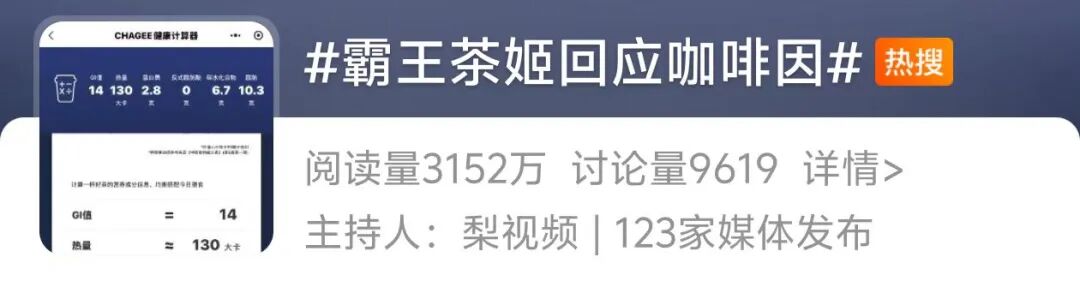
咖啡因依赖

Search documents
禁毒部门回应“奶茶等于准毒品”
中国基金报· 2026-01-02 08:34
Core Viewpoint - The article clarifies that claims linking a certain milk tea brand to drug-like properties due to caffeine content are incorrect, emphasizing that caffeine is a naturally occurring substance with established safety standards for consumption [2][17]. Group 1: Caffeine Sources and Content - Caffeine is a natural alkaloid found in tea leaves, with a higher concentration (2%-5%) compared to coffee beans (1%-2%) [3]. - Tea and tea beverages are the primary sources of dietary caffeine for Chinese consumers, contributing 74.80% of caffeine intake for adults, followed by milk tea and coffee [5]. - Common foods containing caffeine include chocolate, carbonated drinks, and energy drinks, with varying caffeine levels [6][7]. Group 2: Caffeine Consumption Guidelines - The safe daily caffeine intake is approximately 400 mg for healthy adults and about 175 mg for individuals under 18 [8]. - For a 60 kg adult, this translates to consuming around 969 grams of liquid coffee or 1524 grams of liquid milk tea daily, without other caffeine sources [9]. Group 3: Health Considerations - Certain populations, such as pregnant women, breastfeeding mothers, and individuals with gastrointestinal issues or heart conditions, should limit caffeine intake due to potential health risks [11]. - Individual sensitivity to caffeine varies significantly, influenced by genetics, age, and health status, necessitating personalized consumption guidelines [12][13]. Group 4: Industry Standards and Consumer Awareness - The caffeine content in milk tea can exceed that of coffee, with some brands reporting caffeine levels between 90 mg to 160 mg per serving [14][16]. - The beverage industry is moving towards better regulation and transparency regarding caffeine content, with initiatives like the "red-yellow-green light" system to indicate caffeine levels [16].

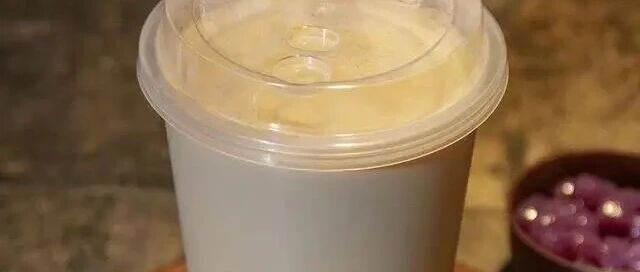
禁毒部门回应“奶茶等于准毒品”
券商中国· 2026-01-01 15:41
Core Viewpoint - The article clarifies that claims linking a certain milk tea brand to drug-like properties due to caffeine content are incorrect, emphasizing that caffeine is naturally occurring and regulated within safe limits [1][24]. Group 1: Caffeine Sources and Content - Caffeine is a natural alkaloid found in tea leaves, which contain 2%-5% caffeine by dry weight, higher than coffee beans at 1%-2% [3]. - The caffeine content in various teas (per 200-250ml serving) is as follows: black tea: 25-110mg (average 40-50mg), oolong tea: 12-55mg (average 30mg), green tea: 8-30mg (average 20-30mg), and white tea/Pu-erh: about 10-20mg [3]. - Tea and tea beverages are the primary sources of dietary caffeine for consumers in China, contributing 74.80% to adult caffeine intake, followed by milk tea and coffee [6]. Group 2: Health Implications of Caffeine - Moderate caffeine intake can enhance alertness, but excessive consumption may lead to dependence, characterized by withdrawal symptoms such as headaches and fatigue [4]. - The recommended safe caffeine intake is 400mg per day for healthy adults and approximately 175mg for individuals under 18 [12]. - For a 60kg adult, this translates to consuming 969g of liquid coffee or 1524g of liquid milk tea daily without exceeding safe caffeine levels [12]. Group 3: Caffeine in Milk Tea - Some milk tea brands use whole tea leaves instead of tea powder, resulting in caffeine content that can exceed that of coffee; for example, a 470ml serving can contain 90-160mg of caffeine [21]. - A typical latte contains about 100mg of caffeine, while an Americano has around 150mg, indicating that milk tea can sometimes deliver higher caffeine levels than these coffee drinks [23]. Group 4: Consumer Awareness and Regulation - The beverage industry is moving towards better transparency regarding caffeine content, with some brands adopting a "red-yellow-green light" system to indicate caffeine levels [21]. - The Chinese Tea Association plans to release standards for tea beverages, which will help consumers make informed choices about caffeine intake [21].
上海禁毒:市面上的咖啡因饮品都有严格添加剂标准,霸王茶姬产品咖啡因含量都在合格范围之内
Cai Jing Wang· 2025-12-29 08:59
Core Viewpoint - The article discusses the effects of caffeine consumption, highlighting that moderate intake can be beneficial, while excessive or long-term consumption may lead to dependence, classified as caffeine addiction. It emphasizes that caffeine, when extracted and sold separately, is considered a controlled substance under Chinese law, posing significant risks [1]. Group 1: Caffeine Consumption and Effects - Moderate caffeine intake can enhance alertness, but excessive consumption may lead to withdrawal symptoms such as headaches, fatigue, irritability, and drowsiness, indicating a mild addiction [1]. - Caffeine, when isolated for non-consumptive purposes, is classified as a drug under Chinese law, specifically a second-class psychoactive substance, with high-purity caffeine preparations being as addictive as other drugs [1]. Group 2: Safety and Guidelines - Current market caffeine-containing beverages adhere to strict additive standards, ensuring safety within acceptable limits [1]. - According to the data from "Risk Assessment of Caffeine Intake Levels in Chinese Residents," adults can safely consume up to 1524g of liquid milk tea daily without other caffeine sources, indicating that one cup per day is generally safe for normal individuals [1]. - Special caution is advised for sensitive groups such as adolescents and pregnant women, who are generally discouraged from caffeine consumption [1]. Group 3: Public Awareness - The Shanghai Anti-Drug Office warns against misleading comparisons of milk tea to drugs circulating online, urging the public to remain vigilant against actual drug threats [1].
知名茶饮突然被曝!上海禁毒办发声
Hang Zhou Ri Bao· 2025-12-29 06:46
Core Viewpoint - The recent controversy surrounding "霸王茶姬" and its caffeine content has sparked widespread discussion online, with the company responding to allegations of its products being akin to "quasi-drugs" due to high caffeine levels [1][3][6]. Group 1: Company Response - "霸王茶姬" officially refuted claims about its high caffeine drinks, stating that such rumors are malicious fabrications damaging to its reputation, and legal action has been initiated [6]. - The company emphasized that the caffeine content in its tea drinks is comparable to that of a latte and significantly lower than that of an Americano, based on public data and testing results [6]. Group 2: Caffeine Content and Health Information - Each drink from "霸王茶姬" is made with original tea leaves and natural ingredients, with caffeine levels accessible through a "health calculator" on their app, allowing consumers to check before purchase [6]. - Caffeine is a natural alkaloid found in tea, which serves to protect the tea plant from pests, with tea leaves containing a higher caffeine concentration (2%-5%) compared to coffee beans (1%-2%) [9]. - The Shanghai Anti-Drug Committee clarified that caffeine, when consumed in moderation, can enhance alertness, but excessive intake may lead to dependency, known as caffeine dependence [10][11]. Group 3: Consumer Reactions and Expert Opinions - Some consumers reported adverse reactions, such as palpitations, after consuming "霸王茶姬" products, highlighting individual sensitivity to caffeine [8]. - Experts noted that caffeine tolerance varies among individuals, and symptoms of excessive intake can include anxiety, insomnia, and gastrointestinal discomfort [17]. - The company’s products are within the acceptable caffeine limits, and daily consumption of one cup is deemed safe for most adults, according to dietary guidelines [16].
上海禁毒称抛开剂量谈毒性是耍流氓上海禁毒办发声
Xin Lang Cai Jing· 2025-12-29 04:48
Core Viewpoint - The Shanghai Anti-Drug Office emphasizes that discussing toxicity without considering dosage is misleading, particularly in the context of caffeine content in beverages like milk tea [1] Group 1: Caffeine and Its Effects - Caffeine is a natural alkaloid found in tea leaves, produced by the tea plant to fend off pests [1] - All true teas (including black tea, green tea, oolong tea, and white tea) contain caffeine, while only a few herbal teas (like rose tea and chrysanthemum tea) do not [1] - Moderate caffeine intake can enhance alertness, but excessive or long-term consumption may lead to dependence, characterized by withdrawal symptoms such as headaches, fatigue, irritability, and drowsiness [1] Group 2: Regulatory Standards and Public Perception - The Shanghai Anti-Drug Office asserts that current caffeine-containing beverages on the market adhere to strict additive standards [1] - The caffeine content in products like those from Ba Wang Tea Ji falls within acceptable limits, countering claims that equate milk tea to quasi-drugs [1] - The public is advised not to believe rumors comparing milk tea to drugs, while still maintaining vigilance against actual narcotics [1]
“喝完一杯睁眼到天亮”,知名茶饮上热搜,上海禁毒发文
Xin Lang Cai Jing· 2025-12-28 04:58
Core Viewpoint - The stock of Bawang Chaji experienced a significant drop of over 14%, marking its largest single-day decline since its listing, following allegations regarding the caffeine content in its beverages being compared to drugs [1][4]. Group 1: Company Response - Bawang Chaji officially responded to the rumors, stating that they are untrue and that legal action has been initiated to protect the company's reputation [3]. - The company emphasized that the caffeine content in their tea drinks is comparable to that of a latte and significantly lower than that of an Americano, based on existing public data and testing results [3]. Group 2: Caffeine Content and Health Implications - Each tea drink from Bawang Chaji is made with original leaf tea and natural ingredients, with caffeine levels accessible to consumers via a "health calculator" on their app before purchase [5]. - Previous incidents have raised concerns about caffeine sensitivity, with reports of consumers experiencing discomfort after consuming certain products, highlighting individual differences in caffeine tolerance [8]. - Caffeine is a natural alkaloid found in tea, which serves to protect the tea plant from pests, and all true teas contain caffeine, with dry tea leaves having a higher caffeine content than coffee beans [9]. Group 3: Regulatory and Safety Standards - The Shanghai Anti-Drug Office clarified that caffeine, when consumed in moderation, is safe, and the caffeine levels in Bawang Chaji's products fall within acceptable limits as per market standards [11]. - According to dietary guidelines, adults can safely consume up to 1524g of liquid milk tea daily without exceeding caffeine limits from other sources [13].
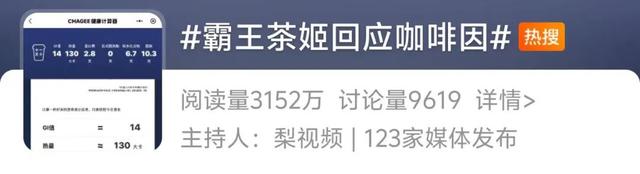
知名茶饮蹭“准毒品”擦边球?上海禁毒:真相是……
Xin Lang Cai Jing· 2025-12-28 03:55
Core Viewpoint - The controversy surrounding BaWang Tea Ji's caffeine content has led to significant stock price fluctuations and public discourse, with the company firmly denying allegations of being associated with "quasi-drugs" due to high caffeine levels [3][5][12]. Company Response - BaWang Tea Ji's official statement emphasized that recent rumors are false and damaging to its reputation, prompting legal action to protect its interests [5]. - The company clarified that its tea drinks have caffeine levels comparable to lattes and significantly lower than American coffee, based on public data and testing results [5][12]. Product Information - Each drink is made from original tea leaves and natural ingredients, with caffeine content available for consumers to check via a mini-program before purchase [6]. - The caffeine content in BaWang Tea Ji's products is within safe limits, as confirmed by testing from accredited laboratories [12]. Caffeine Content and Health Implications - Caffeine is naturally present in tea leaves, with concentrations ranging from 2% to 5%, which can be higher than that in coffee beans [10]. - While moderate caffeine intake can enhance alertness, excessive consumption may lead to dependency and various health issues [11][18]. - The company provides nutritional information, indicating that a typical drink contains around 103.9 mg of caffeine per serving [7]. Public Perception and Misconceptions - The notion that caffeine in tea could be equated to drugs is a common misconception, as caffeine is a natural alkaloid produced by tea plants for survival [9]. - The Shanghai Anti-Drug Office has addressed the rumors, clarifying that caffeine-containing beverages are regulated and safe for consumption within established limits [12][22].