饮品行业

Search documents
禁毒部门回应“奶茶等于准毒品”
券商中国· 2026-01-01 15:41
Core Viewpoint - The article clarifies that claims linking a certain milk tea brand to drug-like properties due to caffeine content are incorrect, emphasizing that caffeine is naturally occurring and regulated within safe limits [1][24]. Group 1: Caffeine Sources and Content - Caffeine is a natural alkaloid found in tea leaves, which contain 2%-5% caffeine by dry weight, higher than coffee beans at 1%-2% [3]. - The caffeine content in various teas (per 200-250ml serving) is as follows: black tea: 25-110mg (average 40-50mg), oolong tea: 12-55mg (average 30mg), green tea: 8-30mg (average 20-30mg), and white tea/Pu-erh: about 10-20mg [3]. - Tea and tea beverages are the primary sources of dietary caffeine for consumers in China, contributing 74.80% to adult caffeine intake, followed by milk tea and coffee [6]. Group 2: Health Implications of Caffeine - Moderate caffeine intake can enhance alertness, but excessive consumption may lead to dependence, characterized by withdrawal symptoms such as headaches and fatigue [4]. - The recommended safe caffeine intake is 400mg per day for healthy adults and approximately 175mg for individuals under 18 [12]. - For a 60kg adult, this translates to consuming 969g of liquid coffee or 1524g of liquid milk tea daily without exceeding safe caffeine levels [12]. Group 3: Caffeine in Milk Tea - Some milk tea brands use whole tea leaves instead of tea powder, resulting in caffeine content that can exceed that of coffee; for example, a 470ml serving can contain 90-160mg of caffeine [21]. - A typical latte contains about 100mg of caffeine, while an Americano has around 150mg, indicating that milk tea can sometimes deliver higher caffeine levels than these coffee drinks [23]. Group 4: Consumer Awareness and Regulation - The beverage industry is moving towards better transparency regarding caffeine content, with some brands adopting a "red-yellow-green light" system to indicate caffeine levels [21]. - The Chinese Tea Association plans to release standards for tea beverages, which will help consumers make informed choices about caffeine intake [21].

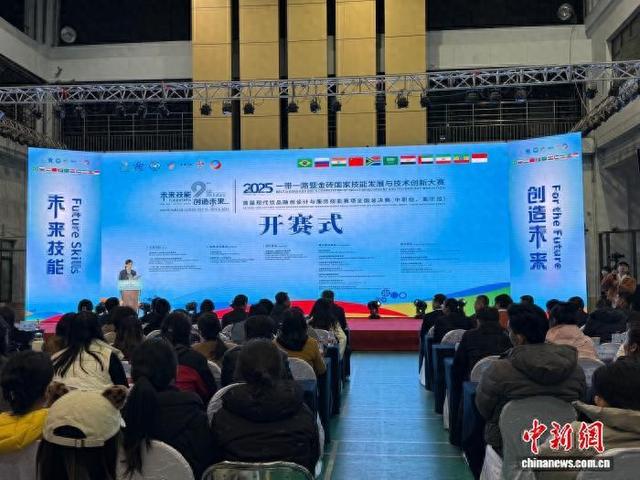
全国42所中、高职院校参加现代饮品融创设计与服务技能赛
Zhong Guo Xin Wen Wang· 2025-10-31 12:28
Core Points - The 2025 Belt and Road Initiative and BRICS Skills Development and Technological Innovation Competition has commenced its first national finals for modern beverage innovation design and service skills in Baotou, Inner Mongolia, with participation from 42 vocational colleges [2][3] - The competition, initiated in 2017, has successfully held 8 editions and will cover five countries including Brazil, Russia, and China in 2025, featuring over 20 cutting-edge categories such as Web technology, machine learning, and big data [2][3] Industry Insights - The modern beverage competition focuses on innovation and upgrading within the beverage industry, requiring teams to develop beverage design proposals and demonstrate production skills, thereby promoting the development of healthy beverage culture [3] - The competition aims to transform its results into actionable standards, including the establishment of "international team skill competition standards" and the issuance of BRICS skill passports to provide high-skilled talent for Belt and Road and BRICS countries [3] - Plans include technical skill training, innovation technology seminars, and the establishment of a human resources sharing platform to support Chinese enterprises expanding abroad, along with the creation of overseas "BRICS workshops" and "BRICS joint colleges" for collaborative educational projects [3]