品牌定价策略

Search documents
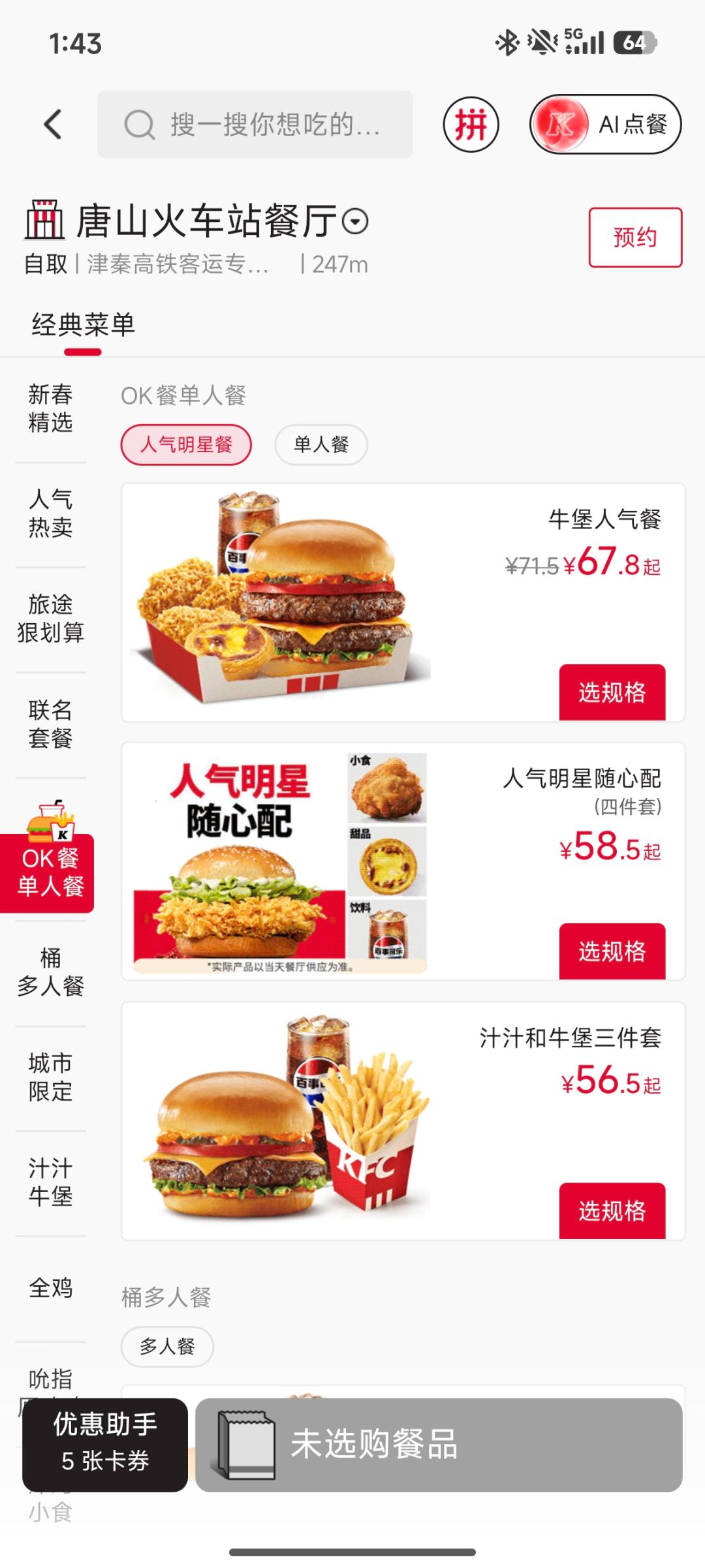
为什么在高铁、机场,肯德基涨价,星巴克不涨价?
3 6 Ke· 2026-02-25 02:35
Core Insights - The article discusses the pricing strategies of KFC and Starbucks in high-traffic transportation hubs, highlighting how different business models and brand philosophies influence their pricing decisions. Group 1: Pricing Strategies - KFC's pricing strategy in transportation hubs involves raising prices significantly due to high operational costs, including rent and revenue sharing, which are not sustainable under its traditional low-margin model [6][7][12] - Starbucks maintains a consistent national pricing strategy, leveraging its high gross margins to absorb increased costs without alienating customers [7][9] Group 2: Cost Structures - KFC's cost structure is heavily reliant on fresh ingredients and complex logistics, making it vulnerable to increased costs in high-rent areas [7] - Starbucks benefits from a lower cost of goods sold relative to its selling price, allowing it to maintain profitability even in high-cost environments [7][8] Group 3: Demand Elasticity - Consumer behavior in transportation hubs shows reduced price sensitivity due to limited options, allowing KFC to increase prices without losing significant sales [8][12] - Starbucks faces higher demand elasticity; significant price increases could lead to a drop in sales as consumers may opt for alternatives [8][9] Group 4: Brand Philosophy - KFC's approach is focused on maximizing transaction volume and market penetration, adapting its pricing to capitalize on high foot traffic [9][12] - Starbucks prioritizes brand consistency and customer experience, maintaining uniform pricing to uphold its premium brand image [9][11] Group 5: Competitive Landscape - KFC competes in a crowded fast-food market within transportation hubs, where price increases are common among competitors [12][13] - Starbucks operates in a less competitive space, allowing it to avoid price wars and maintain stable pricing [12][13] Group 6: Consumer Behavior Trends - Increasingly, consumers are using delivery apps to bypass high prices in transportation hubs, indicating a shift in consumer behavior that could challenge traditional pricing models [15][16]


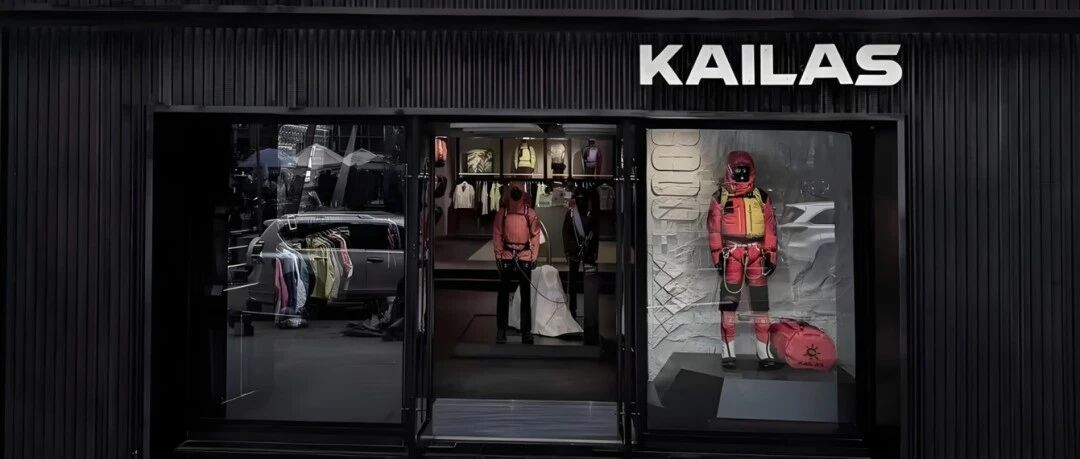
凯乐石陷“涨价门”争议:换名字贵900元,创始人曾称“我们赚得太少”
新浪财经· 2025-12-26 11:30
Core Viewpoint - KAILAS, a well-known domestic outdoor brand, is facing backlash from consumers over significant price increases for similar products, leading to accusations of "price gouging" and a departure from its previous focus on cost-effectiveness [1][5][8]. Price Increase Controversy - Consumers have reported that the new Alta down jacket is priced 900 yuan higher than the old Kanas down jacket, despite having nearly identical appearance and specifications [1][5][7]. - A soft shell jacket that was priced at 319 yuan in 2022 is now listed at 1360 yuan, indicating a price increase of over 400% [1][8]. - KAILAS's high-end down jackets are now priced higher than most domestic brands, with the most expensive item listed at 13,000 yuan [1][11]. Company Performance and Strategy - The founder, Zhong Chengzhan, has acknowledged that KAILAS is not a highly efficient company, suggesting that the frequent price hikes may be a response to low profit margins despite seemingly good sales performance [2][15]. - KAILAS has undergone multiple product upgrades and aims to position itself as a top-tier global outdoor brand, although it has faced challenges in achieving high efficiency and profitability [15]. Brand History and Marketing - KAILAS was founded in 2003 and initially marketed itself as an Australian brand, which has been a point of contention among consumers [13][18]. - The brand's early marketing included a narrative about its Australian origins, which has since been scrutinized and criticized by consumers [18][23].