
户外用品

Search documents
品牌收“地球使用费”上热搜!网友吵翻
新华网财经· 2026-04-01 05:38
Core Viewpoint - Patagonia has launched the "Earth Usage Fee" initiative, which introduces a shipping fee structure aimed at encouraging consumers to think twice before returning products, with the goal of reducing carbon emissions associated with returns [2][7]. Group 1: Earth Usage Fee Details - Starting in April, consumers will pay a shipping fee of 15 yuan for the first item purchased, with an additional 5 yuan for each subsequent item. If no returns are made, the shipping fees will be refunded; however, if returns are made, the initial 15 yuan will be deducted [2][5]. - For example, purchasing two items incurs a shipping fee of 20 yuan. If both items are returned, no shipping fee will be refunded; if one item is returned, 5 yuan will be refunded; and if no returns occur, the full 20 yuan will be refunded [5]. Group 2: Environmental Impact and Consumer Response - Patagonia's social media post highlighted that during the Double 11 shopping festival in 2025, the return rate reached 69.7%. From 2023 to 2025, the brand's Tmall flagship store generated 190.36 tons of carbon emissions from shipping, with 40.9 tons attributed to returns [7]. - Consumer reactions have been mixed, with some expressing confusion and frustration over the initiative, while others appreciate the brand's commitment to environmental protection and rational consumption [9][11]. Group 3: Brand Background and Controversies - Patagonia, founded in 1973 by Yvon Chouinard, is known for its high-performance outdoor gear and commitment to environmental sustainability [11]. - The company has faced scrutiny, having been fined 40,000 yuan for misleading advertising and failing to properly disclose patent information in its promotions [14].


迅猛涨价的凯乐石,开始死磕始祖鸟?
36氪· 2026-03-28 14:05
Core Viewpoint - The article discusses the transformation of the outdoor brand Kailas, highlighting its price increases and shift from a value-oriented brand to a high-end positioning, which raises questions about its pricing justification and consumer perception [6][8][9]. Price Increase and Market Position - Kailas has seen a significant price increase, with an average product price rising by 63.3% from April 2023 to March 2024, approaching the pricing of international premium outdoor brands [7]. - The brand's revenue grew by 90% year-on-year in 2023, with projected revenues of around 4 billion yuan for 2024, while its competitor Arc'teryx in Greater China is estimated to generate 6-7 billion yuan [7]. - The shift in Kailas's core customer base has moved from practical outdoor enthusiasts to a new middle-class demographic that values both professional performance and brand identity [9]. Consumer Sentiment and Brand Perception - There is a growing sentiment of "abandonment" among early consumers who now compare Kailas with Arc'teryx, noting the narrowing price gap [8]. - Discussions on social media regarding Kailas's pricing have increased, leading to a potential crisis of brand perception, especially with accusations of price hikes without significant product improvements [12][13]. Industry Trends and Competitive Landscape - The price increase initiated by Kailas has led to a "herd effect" in the industry, with other domestic outdoor brands also raising their prices by 25% to 65% [13]. - The article notes that despite Kailas's high-end positioning, cheaper alternatives still circulate in the market, often purchased by outdoor professionals [20]. Brand Strategy and Market Positioning - Kailas's strategy includes a focus on high-performance products and a shift away from lower-performance items, aligning with a broader trend of premiumization in the outdoor market [15][17]. - The brand has been actively enhancing its retail presence in high-end shopping centers, aiming to create a lifestyle brand rather than just a product-focused one [18]. Community Engagement and Brand Growth - Kailas has engaged in various outdoor events and partnerships to increase brand visibility and connect with the core outdoor community, which has positively impacted sales of its FUGA series running shoes [29][30]. - The brand's long-term strategy emphasizes expanding the outdoor consumer base and sustaining growth through community engagement and professional events [32][36].

可隆:不追逐风口,却跑赢了风口
经济观察报· 2026-03-27 13:41
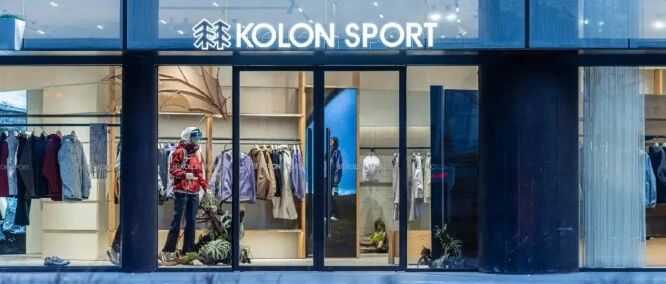
Core Viewpoint - KOLON has established a strong competitive moat through a commitment to high quality, deep specialization, and a focus on long-term value investment, which has led to its rapid growth within Anta Group [2][27]. Group 1: Financial Performance - In 2025, Anta Group reported a revenue of 80.219 billion yuan, representing a year-on-year growth of 13.3%, with KOLON's revenue from "other brands" increasing by 59.2%, making it the fastest-growing brand within the group [2]. Group 2: Brand Positioning and Strategy - KOLON is often misperceived as a "fashion outdoor" brand due to its appealing design, but its foundation is rooted in professional outdoor expertise, having supported over 50 peak climbs and collaborated with various extreme expeditions since its inception [4][5]. - The brand emphasizes a unique approach by focusing on professional capabilities rather than aggressive expansion, maintaining a controlled pace in store openings and prioritizing quality over quantity [10][12]. Group 3: Community Engagement and Sustainability - KOLON has integrated sustainable practices into its operations, such as promoting "zero-carbon" events and sponsoring major trail running competitions, which reflects its commitment to environmental responsibility [6][8]. - The brand has invested in community initiatives, including donations of professional gear to forest rangers and engaging in outdoor activities that foster a deeper connection with nature, thus building a value-based community around its brand [20][23]. Group 4: Competitive Landscape - Within Anta Group's outdoor brand matrix, KOLON complements other brands by focusing on the relationship between people and nature, distinguishing itself from competitors that prioritize extreme performance [26]. - The strategic support from Anta Group, including supply chain capabilities and a long-term management approach, has allowed KOLON to focus on product quality and community engagement without the pressure of immediate returns [24][27].
整个社会都在喊没钱了,为什么这些公司反而年赚百亿?
创业家· 2026-03-23 10:15
Core Insights - The article emphasizes that despite the prevailing narrative of economic hardship, certain industries are thriving and generating substantial profits, particularly in Japan and China [3][4]. - It identifies eight key sectors that present significant business opportunities amid a low-desire society, highlighting shifts in consumer behavior and spending patterns [4][5]. Group 1: Key Industries - **Second-Hand Economy**: The second-hand luxury market in Japan, exemplified by "Daikokuya," has seen a surge in revenue, mirroring trends in China with platforms like "Hongbulin" and "Panghu" experiencing significant growth [6][7][8]. - **Pet Economy**: With declining birth rates, spending on pets has increased, as seen with brands like "Inaba" in Japan and "Guai Bao" in China, indicating a robust market for pet food and healthcare products [12][13][15]. - **Adult Care**: The adult diaper market in Japan has surpassed $10 billion, showcasing the economic potential of catering to an aging population [17][18][19]. - **Health Food and Beverages**: The rise in health consciousness has led to increased demand for sugar-free products and functional beverages, with brands like "Oriental Tree Leaf" and "East Peak" gaining traction in China [21][22]. Group 2: Emerging Trends - **Beauty Economy**: The demand for beauty products, including collagen supplements and at-home beauty devices, remains strong, indicating that consumers prioritize personal care even in economic downturns [23][24][26]. - **Outdoor Recreation**: Companies like "Snow Peak" in Japan are capitalizing on the outdoor gear market, reflecting a growing interest in leisure activities despite economic constraints [29][31]. - **Convenience Economy**: The trend towards convenience is evident in the growth of frozen food brands and smart home appliances, which cater to consumers' desire to save time [39][40][42]. - **Low-Desire Society**: The article posits that while some may view the current market as a downturn, it presents opportunities for those willing to invest in counter-cyclical sectors [43][44].

韩国人穿疯了的户外品牌,中国白领不买账?
凤凰网财经· 2026-03-20 13:27
Core Viewpoint - The North Face is experiencing a decline in the Chinese market, transitioning from a popular brand among students to facing challenges in maintaining its market position due to changing consumer preferences and increased competition from lower-priced alternatives [4][7][26]. Group 1: Brand Performance and Market Position - The North Face's parent company, VF Corporation, reported a 6% year-on-year decline in outdoor business revenue in Greater China for 2025, marking the most significant drop among all markets [7]. - In 2020, The North Face saw rapid growth in the Asia-Pacific market, with revenue increasing from $330 million to $660 million over four years, and it ranked first in outdoor sales on Tmall during the 2022 Double Eleven shopping festival [8]. - Despite its popularity, The North Face is now perceived as a "school uniform" among students, leading to a decline in its aspirational value and sales [4][18]. Group 2: Consumer Behavior and Market Trends - The current generation of students is less willing to spend on expensive outerwear, with alternatives available at significantly lower prices, such as counterfeit versions of The North Face products [18][21]. - The outdoor apparel market in China has become highly competitive, with brands like Arc'teryx and Salomon experiencing substantial growth, while The North Face struggles to maintain its market share [25][26]. - Data from iMedia Consulting indicates that in 2024, Camel's retail sales reached 560 million yuan, highlighting the success of lower-priced competitors in the outdoor segment [25]. Group 3: Brand Strategy and Future Outlook - The North Face's CEO acknowledged the lack of short-term improvement in the Asia-Pacific market, predicting a challenging performance in China for 2026 [26]. - The brand's high-end product lines, such as the Summit Series, continue to perform well among hardcore outdoor enthusiasts, achieving double-digit growth globally in Q3 2025 [28][30]. - Collaborations with fashion influencers, such as Kim Kardashian's Skims, have generated significant interest and sales, indicating a potential strategy for revitalizing the brand's image [41][42].


三夫户外20260319
2026-03-20 02:27
Company and Industry Summary Company Overview - **Company**: 三夫户外 (Sanfu Outdoor) - **Core Brands**: X-BIONIC, Houdini, Crispi, La Sportiva, Danner, Mystery Ranch, Marmot Key Financial Performance - **2025 Revenue**: Approximately 900 million CNY, a year-on-year increase of nearly 20% [2][3] - **Net Profit**: Expected to be between 45 million and 67.5 million CNY, with a non-recurring net profit of 46 million to 69 million CNY [3] - **Core Brand Performance**: - X-BIONIC: Revenue growth of about 35% compared to 2024 [3] - Houdini: Revenue growth of nearly 70% [3] - Crispi: Revenue growth of approximately 15% [3] - **Overall Business Transformation**: Successfully completed, with expectations for continued improvement in 2026 [2][3] Brand-Specific Strategies X-BIONIC - **Growth Strategy**: - Average growth rate of 50% in January-February 2026 [4] - Plans to open 15 new single-brand stores in 2026, including 5 direct stores and 10 dealer stores [5] - Focus on independent brand stores rather than multi-brand store sections [5] - **Product Strategy**: - Increase in women's product offerings and a shift towards younger, more fashionable designs [6] - Continued promotion of successful product lines like the Breeze and Aid series [6] - **Marketing Strategy**: - Sponsorship of events and collaborations with influencers to enhance brand visibility [6][9] Houdini - **Growth Strategy**: - Focus on improving existing store displays and same-store sales efficiency rather than rapid expansion [11] - Plans to open 5 new direct stores [11] - **Product Development**: - Expansion into new product categories while maintaining core offerings like the Power Houdi fleece [10] - Introduction of Asian-sized products to cater to local markets [10] Crispi - **Growth Strategy**: - Plans to open 1-2 new direct stores in high-end shopping areas [12] - Focus on maintaining growth rates similar to 2025 [12] Market Trends and Insights - **Outdoor Market Potential**: The domestic outdoor market shows significant growth potential, with a shift towards high-end and diversified product offerings [8][9] - **Consumer Preferences**: Increasing demand for personalized and stylish outdoor products, with a notable rise in female product lines [8][9] - **Channel Strategy**: - Current online sales for X-BIONIC are around 51%-52%, with a target to reduce this to 35% as physical store presence increases [14] - The ideal channel structure aims for 35% online, 45%-50% direct stores, and 15% dealer stores [14] Financial and Operational Strategies - **Funding Utilization**: Proceeds from a targeted capital increase have been effectively utilized for marketing and channel expansion for X-BIONIC [15][16] - **Future Financing Plans**: The company may explore additional financing options to support brand marketing and development [15][16] Additional Considerations - **Squirrel Tribe Project**: Expected to resolve losses related to this project by 2026, with minimal financial impact anticipated [13] - **Brand Positioning**: Emphasis on unique brand identity and consumer trust as key to success in both high-end and budget markets [9][12]

骑过山海,跑过雨林,中国人把年过在了户外?
虎嗅APP· 2026-03-03 14:21
Core Insights - The article highlights the transformation of outdoor consumption in China, with 596 million people traveling during the recent Spring Festival, leading to over 5.1 billion yuan in consumer spending [2] - Outdoor activities are evolving from a niche interest to a mainstream lifestyle choice for a broader audience [3] Group 1: Trends in Outdoor Consumption - The article identifies four key trends in outdoor consumption: performance leap, scene integration, awakening of diverse demographics, and value accumulation [4] - Performance leap emphasizes the pursuit of lightweight, high-performance gear that enhances user experience and confidence in unpredictable weather [5][8] - Scene integration focuses on creating versatile products that seamlessly transition between urban and outdoor environments, allowing users to maintain elegance and functionality [9][11] - The awakening of diverse demographics highlights the inclusivity of outdoor activities, catering to women, families, beginners, and seniors, fostering a sense of belonging [12][13] - Value accumulation stresses the importance of sustainable materials and smart technology in products, enhancing user experience and environmental consciousness [14][16] Group 2: Product Development and Innovation - The article calls for brands to respond to the demand for lightweight gear through innovative technologies that do not compromise on protection [8][19] - It encourages the design of products that break down barriers between urban and outdoor settings, allowing for a fluid lifestyle [10][11] - The focus on inclusivity in product design aims to lower the entry barriers for outdoor participation, ensuring that all identities can find their place in nature [13][17] - The call for sustainable practices in product development reflects a shift towards long-term value in consumer choices [15][16] Group 3: Industry Engagement and Recognition - The article announces the launch of the "2026 Q1 Upward and New Outdoor Trend List," inviting brands to submit products that align with the identified trends [22] - The evaluation criteria include product performance in outdoor scenarios, compliance with regulations, and innovative design [20] - The timeline for submissions and evaluations is outlined, emphasizing the importance of recognizing products that define the future of outdoor consumption [23]

萨洛蒙正在接棒始祖鸟
虎嗅APP· 2026-02-28 13:42
Core Viewpoint - Amer Sports has reported impressive financial results for 2025, with total revenue reaching $6.566 billion, a 27% year-on-year increase, and operating profit rising 49% to $702 million. The Salomon brand has been a key driver of this growth, particularly in the mountain outdoor apparel and equipment segment, which saw a 31% increase to $2.404 billion in revenue [3][5]. Group 1: Salomon's Performance - Salomon's annual sales have surpassed $2 billion for the first time, with footwear sales alone exceeding $1 billion in 2024 [4]. - The outdoor functional apparel segment, led by Arc'teryx, also showed robust growth, with a 30% increase to $2.856 billion in 2025, and a notable 34% growth in Q4 [5]. - Salomon's strategic focus on footwear and female consumers has been pivotal in driving growth, especially as the brand seeks to balance the slowing growth of Arc'teryx [5][16]. Group 2: Market Expansion and Strategy - Salomon has aggressively expanded its retail presence in the Greater China region, adding 33 new stores in Q4 2025, compared to Arc'teryx's 15 new stores globally [9]. - The brand's strategy includes a focus on high-end flagship stores in major urban centers, with plans for continued expansion in key markets [14]. - Salomon's growth in the Asia-Pacific region has been significant, with a 50.7% increase in 2025, and the brand is expected to continue its aggressive expansion in this area [11][13]. Group 3: Female Consumer Engagement - Salomon has successfully connected with younger female consumers, with women now representing 50% of its customer base in China [7]. - The brand's marketing strategies, including collaborations with fashion designers and the introduction of products appealing to young women, have contributed to this engagement [7][8]. - The focus on female products is also reflected in the growth of Arc'teryx's women's category, which has seen over 40% year-on-year growth in Q4 2025 [20]. Group 4: Future Outlook - Amer Sports aims to leverage the growth of Salomon and Arc'teryx to establish a strong long-term growth trajectory, with a focus on footwear and female markets as key growth drivers [22]. - The company is also addressing potential challenges related to balancing trendiness with professionalism and ensuring that the full-category transformation does not dilute its premium positioning [22].
户外露营装备市场调研报告-主要企业、市场规模、份额及发展趋势
Sou Hu Cai Jing· 2026-02-26 08:09
Core Insights - The global outdoor camping equipment market is projected to reach approximately $928 million by 2025 and $1.433 billion by 2032, with a compound annual growth rate (CAGR) of 6.5% from 2026 to 2032 [1] Market Drivers - Consumer perception upgrades and diversified scenarios are driving the market, with a shift from traditional camping to leisure and entertainment, leading to new models like "glamping" and "camping+" [2] - The integration of camping with family activities, team-building, and educational experiences is expanding market boundaries, exemplified by the "camping + homestay" model [2] Policy Support and Infrastructure Improvement - National policies such as the "Action Plan for Promoting Outdoor Sports Facility Construction and Service Improvement (2023-2025)" support the establishment of camping sites and encourage scenic areas to designate camping zones [3] - Upgrades in campsite facilities, including restrooms and power supply, enhance the camping experience and attract more consumers, creating a positive cycle of "site construction - equipment demand - consumption growth" [3] Technological Innovation and Environmental Demand - Trends in lightweight and smart equipment are emerging, such as carbon fiber trekking poles and solar charging devices that reduce outdoor burdens [4] - The use of eco-friendly materials, like biodegradable fabrics and recycled plastics, minimizes ecological impact and aligns with sustainable development goals, becoming a new competitive focus for companies [4] Industry Overview - The report analyzes the development status of the global and Chinese outdoor camping equipment market during the "14th Five-Year Plan" period and forecasts based on strategic priorities for the "15th Five-Year Plan" [6][7] - Key manufacturers in the Chinese market include Decathlon, Mugu, and others, with Decathlon holding approximately 25% market share [1][7] Report Structure - Chapter 1 covers the report's scope, product segmentation, downstream application fields, and overall industry development [8] - Chapter 2 details the overall market size in global and Chinese regions, including market shares [8] - Chapter 3 analyzes the competitive landscape, including revenue rankings and market shares of companies in the outdoor camping equipment sector [8] - Chapter 4 focuses on the overall size and share of different product types in the global market [8] - Chapter 5 discusses the overall size and share of outdoor camping equipment by application [8] - Chapter 6 addresses industry development opportunities and risks [8] - Chapter 7 provides a supply chain analysis, including industry procurement and sales models [8] - Chapter 8 introduces major companies in the global outdoor camping equipment market, including company profiles and revenue updates [8] - Chapter 9 concludes the report [8]

“炸山”后,始祖鸟的业绩依然坚挺?
Guan Cha Zhe Wang· 2026-02-25 10:30
Core Insights - Amer Sports reported a significant annual revenue growth of 27% to $6.566 billion for 2025, with operating profit reaching $702 million, a 49% increase year-over-year [1] - The company adjusted its earnings per share to $0.97, reflecting a 131% increase compared to the previous year [1] Financial Performance - In Q4 2025, Amer Sports achieved a revenue growth of 28% to $2.101 billion, with operating profit increasing by 18% to $228 million [4][6] - The technical apparel segment, led by the Arc'teryx brand, saw a revenue increase of 34% in Q4, with an operating profit margin of 25.9% [4][6] - The outdoor performance segment, including Salomon, grew by 31% to $2.404 billion, while the ball and racquet sports segment increased by 13% [6][8] Market Response and Brand Resilience - Despite a significant brand crisis related to the "炸山" incident, which raised concerns about environmental values, the financial performance remained strong, indicating brand resilience [4][10] - The management's confidence in future growth was evident, with a 2026 revenue growth forecast of 16% to 18% and an expected operating profit margin of 13.1% to 13.3% [14][15] Strategic Initiatives - Amer Sports is investing heavily in key growth opportunities, particularly in the Salomon brand, which has appointed a new creative director to enhance its product offerings [9][15] - The company aims to maintain its premium brand positioning, with a focus on identity recognition among consumers, particularly in the Chinese market [12][17]
