
品牌引流+白牌盈利

Search documents
克重缩水,量贩零食店“算盘”打向何方
Qi Lu Wan Bao· 2025-12-08 21:48
Core Insights - The phenomenon of "weight shrinkage" in snack retailing is becoming a common practice across thousands of snack chain stores in China, where products appear similar to those in supermarkets but have significantly reduced weights [2][3] Group 1: Product Discrepancies - Consumers have reported that products purchased from snack chains often have different weights compared to those sold in supermarkets, leading to the "same product, different specifications" issue [3] - Examples include Oreo cookies sold in supermarkets at 97 grams, while snack stores sell them at 77.6 grams, and other products showing similar discrepancies [3] Group 2: Business Model and Pricing Strategy - Snack chains leverage a business model that combines brand attraction with private label profitability, creating a low-price image to draw customers [4][5] - The structure of products in these stores shows that leading snack brands have a gross margin below 10%, while private label products have a gross margin exceeding 30%, which is crucial for profitability [5] Group 3: Industry Challenges and Future Outlook - The snack retail industry is facing a reshuffling phase, with many stores experiencing quality and safety issues, leading to consumer complaints [6] - Approximately 60% of snack chain stores in the Weifang area are reported to be operating at a loss, with only 20% achieving profitability, indicating a challenging market environment [6]

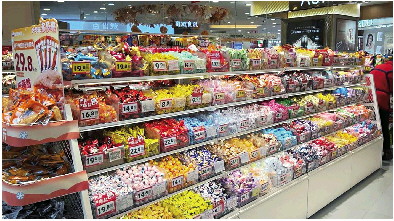
量贩零食店的“算盘”打向了何方?高速扩张后行业迎来转型路口
Qi Lu Wan Bao· 2025-12-02 22:59
Core Insights - The article highlights the emerging trend of "weight shrinkage" in snack retail, where products sold in snack chains have lower weights compared to the same products in supermarkets, despite similar appearances [1][3][6] Group 1: Pricing Strategy - The phenomenon of "weight shrinkage" is becoming a common pricing strategy among thousands of snack stores across the country, leading to a situation where consumers may not notice the differences in product weight [1][3] - Specific examples include products like the "Yang Zhang Gui" brand snack, which weighs 162 grams in snack stores compared to 183 grams in supermarkets, indicating a clear discrepancy in product specifications [3][4] Group 2: Market Dynamics - Snack chains have rapidly expanded and now account for over 40% of the snack sales market in China, with the market size growing from 4.08 billion yuan in 2019 to 104.59 billion yuan in 2024 [8] - The rapid growth of snack chains is attributed to their ability to create a low-price image through a combination of brand products and private label goods, which drives customer traffic [10][11] Group 3: Supply Chain and Profitability - Snack stores utilize a direct procurement model, bypassing intermediaries, which allows them to negotiate better prices and maintain a low-cost structure [11] - The profit margins for private label products are significantly higher, often exceeding 30%, compared to well-known brands which have lower margins [10] Group 4: Quality and Safety Concerns - As the snack retail industry grows, concerns regarding product quality and safety have emerged, with many complaints about the lack of a comprehensive quality traceability system for private label products [11] - The article notes that around 60% of snack stores in the Weifang area are operating at a loss, indicating potential challenges in sustaining profitability amidst increasing competition [12]
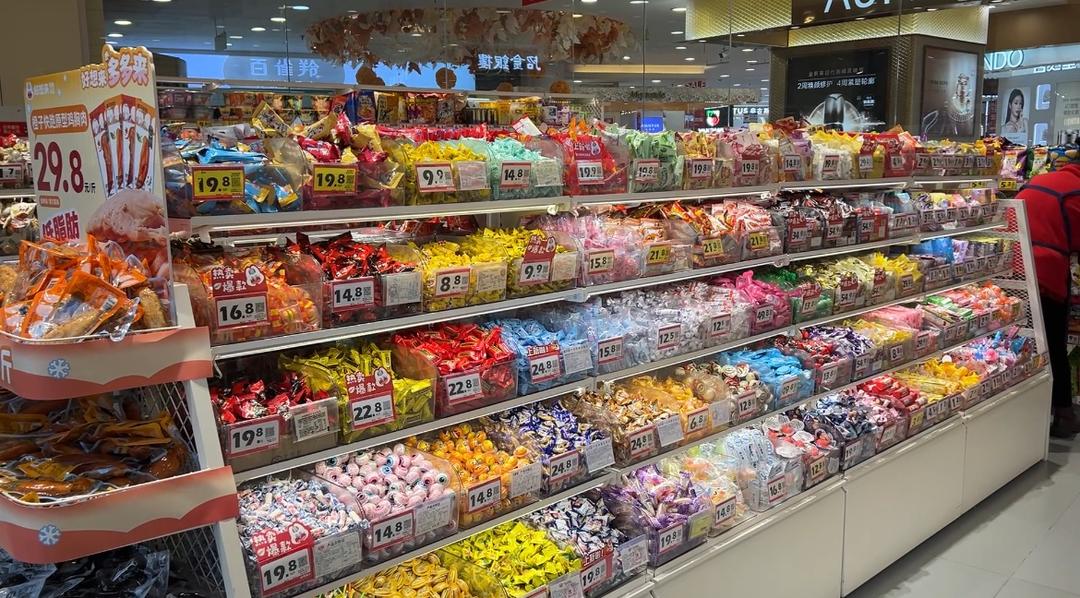
量贩零食店为何遍地开花
Jing Ji Ri Bao· 2025-10-24 22:09
Core Insights - The rapid expansion of discount snack stores in China is driven by their ability to cater to consumer behavior and preferences, particularly in lower-tier markets [1][2] - These stores utilize a direct sourcing model to reduce costs and offer a mix of well-known brands and private label products, creating a unique selling proposition [2][3] - The industry is witnessing a shift towards a franchise model for rapid growth, although challenges such as competition and profitability remain [3] Group 1: Market Dynamics - Discount snack stores have seen explosive growth since 2022, with projections indicating over 45,000 stores by 2025 [1] - The stores' appealing atmosphere and product variety meet the non-purposeful shopping needs of consumers, enhancing their shopping experience [1][2] - Consumer preferences vary, with urban shoppers willing to pay for trendy snacks while rural consumers favor low-cost bulk items, indicating a broad market potential [1] Group 2: Competitive Strategy - Discount snack stores have disrupted traditional retail supply chains by directly connecting with manufacturers, thus lowering procurement costs [2] - The product assortment includes both popular brands and private label items, leveraging a "big brand at low price" strategy to attract customers [2] - Targeted marketing strategies, such as promotions and family-friendly products, help these stores solidify their position in the market [2] Group 3: Business Model and Challenges - Many leading discount snack brands are adopting a franchise model to accelerate growth, promising quick returns on investment to attract franchisees [3] - The simplified approval process for opening new stores contrasts with traditional retail, appealing to investors seeking quick profitability [3] - However, the franchise model poses risks, including the potential failure to meet return promises and increasing competition, which could compress profit margins [3] Group 4: Industry Trends - The industry is entering a phase of consolidation, with major brands acquiring smaller regional players and diversifying into hybrid business models like "snacks + beverages" [3] - Consumers are encouraged to be vigilant about product quality and safety, particularly with private label items, as the market becomes more price-sensitive [3] - For sustained profitability, discount snack retailers must focus on improving product quality, enhancing customer service, and protecting consumer rights [3]