
品牌瘦身计划

Search documents
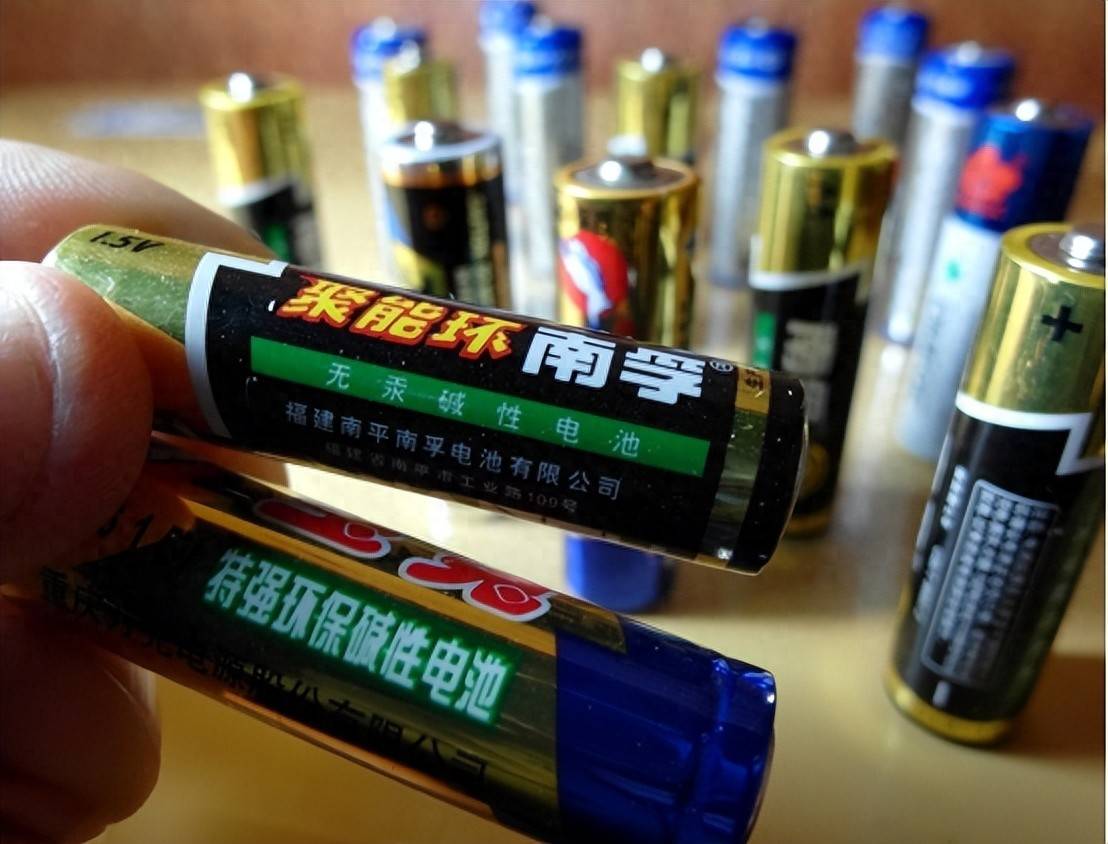
利润、渠道、专利全给美国!电池霸主南孚是怎么被榨干的?
Sou Hu Cai Jing· 2025-12-20 11:47
Core Viewpoint - The story of Nanfu Battery illustrates the rise and fall of a once-dominant Chinese brand, highlighting the risks of foreign investment and the complexities of capital structure in maintaining control over a company [1][21]. Company History - Nanfu Battery, originally founded as Nanping Battery in 1954, started as a small workshop struggling for survival [3][5]. - In the 1970s, Chen Laimao joined the company, leading it to expand from rural markets to urban areas through partnerships with well-known battery manufacturers [5][6]. - The company capitalized on the rising demand for alkaline batteries in the 1980s, becoming a market leader [6]. Capital Structure and Foreign Investment - In 1988, Nanfu Battery became the first joint venture battery company in China, partnering with foreign capital, which later complicated its ownership structure [8][10]. - By 1999, foreign investors held significant control over Nanfu, culminating in a sale to Gillette in 2003, which marked the end of its status as a national brand [10][12]. - Gillette's acquisition led to a focus on its own brand, Eveready, at the expense of Nanfu, which saw its production capabilities and resources significantly reduced [12][14]. Corporate Changes and Challenges - After Gillette was acquired by Procter & Gamble in 2005, Nanfu continued to be used primarily to support the sales of Eveready, further limiting its growth [15][17]. - In 2014, Nanfu was sold to Dinghui Capital, which aimed to diversify its product line and reduce reliance on battery sales [17][19]. - By 2017, Nanfu's revenue reached 2.32 billion yuan, showing signs of recovery under new management [19]. Recent Developments - In 2022, Anhui Andeli announced plans to acquire Nanfu's controlling company, aiming to leverage its brand strength in the battery industry [21]. - Despite this potential opportunity, Nanfu faces significant competition and technological challenges in the evolving market [21][23]. Lessons Learned - The narrative of Nanfu Battery serves as a cautionary tale for companies regarding the importance of maintaining control over their core operations when engaging with foreign investors [23].

曾是日本第一的医学美容品牌沦为弃子?
3 6 Ke· 2025-06-15 01:19
Core Viewpoint - Kenvue is undergoing significant challenges in its transformation post-separation from Johnson & Johnson, including potential brand divestitures to streamline operations and focus on core brands [1][13][21] Brand Divestiture - Kenvue is considering selling several brands, including Dr.Ci:Labo, Neostrata, Maui Moisture, Bebe, and Clean & Clear, while retaining core brands like Neutrogena and Aveeno [1][13] - The brands under consideration for sale generate an estimated annual revenue of over $500 million, accounting for approximately 3.3% of Kenvue's projected total revenue of $15.455 billion for 2024 [1][18] Market Impact - Following the news of potential brand sales, Kenvue's stock price fell by 2.68%, indicating investor concerns regarding the impact of these divestitures on future growth and overall business strategy [2][18] Brand Performance - The brands targeted for sale include those with established market presence, such as Dr.Ci:Labo, which was once the leading skincare brand in Japan but has seen a decline in visibility and sales [2][9] - Neostrata, known as the "pioneer of glycolic acid," has faced regulatory challenges in China, further complicating its market position [9][18] Financial Performance - Kenvue's Skin Health and Beauty division reported a 1.9% organic sales decline for 2024, with a continuous downward trend observed over five consecutive quarters [13][18] - Overall, Kenvue's sales for 2024 are projected at $15.455 billion, with a slight year-on-year increase of 0.1%, but net profit is expected to plummet by 38% to $1.03 billion [18][21] Strategic Shift - The divestiture of brands is part of Kenvue's broader strategy to optimize its product portfolio and focus on core brands, a trend seen across the beauty industry as companies respond to slowing growth and rising costs [13][21]
