美容护肤

Search documents
2026零售商业趋势
第一太平戴维斯· 2026-03-30 05:58
Investment Rating - The report does not explicitly state an investment rating for the retail industry Core Insights - The retail industry is experiencing a shift towards health and wellness, with a notable increase in the proportion of new tenants in shopping centers focusing on health-related categories, which rose by 1.8 percentage points to 11.3% in 2025 [23] - The trend of "small luxury" items is gaining traction, with categories such as gold jewelry, fragrances, and limited-edition collectibles showing significant growth, with over 15% increase in space allocation in shopping centers [34][38] - Hard discount models are becoming more prevalent, offering sustainable low prices through direct sourcing and optimized supply chains, which cater to consumers' demand for value [48][51] Summary by Sections Consumer Trends - The report highlights a growing consumer focus on health, which transcends age, region, and income, indicating a shift towards viewing health as a long-term investment [23] - The rise of "small luxury" items reflects consumers' desire for affordable yet emotionally valuable purchases during economic uncertainty [34] New Consumption Formats - New consumption formats, including sports and lifestyle products, have surpassed traditional fashion categories in shopping centers, accounting for 16% of the total space by the end of 2025 [60] - The report notes that the retail sales of sports and entertainment products grew by 15.7% year-on-year, significantly outpacing traditional fashion growth [60] Health and Wellness Sector - The health and wellness sector is expanding, with new business formats emerging that cater to both physical and mental well-being, such as meditation and wellness services [23][25] - The report suggests that shopping centers can enhance their offerings by integrating health-related activities and community engagement [25] Small Luxury Segment - The "small luxury" segment is characterized by low-priced, high-frequency purchases that provide emotional value, becoming a key driver of consumer resilience [34] - The report indicates that gold jewelry, fragrances, and collectible toys are leading this segment, with significant growth in retail space allocation [34][38] Hard Discount Models - Hard discount retailing is gaining traction as a sustainable model that meets consumer demand for value, with various formats emerging, including discount supermarkets and brand discount warehouses [48][51] - The report emphasizes the importance of strategic tenant selection in shopping centers to enhance foot traffic and address vacancy issues [50] Retail Space Dynamics - The report notes that large shopping centers are increasingly dominating the market, with a projected 47% of new openings in 2026-2027 exceeding 100,000 square meters [96][100] - Smaller businesses must find unique value propositions to compete against larger retail formats, focusing on community engagement and experiential offerings [96]
资生堂中国与美丽田园战略合作:RQ律曜首发院线赛道
Cai Jing Wang· 2026-02-27 13:46
Core Insights - Shiseido China has announced a strategic partnership with Beautiful Garden to integrate advanced research technology with high-end salon services, aiming to provide science-based skincare solutions for Chinese consumers [1] - This collaboration will enhance Shiseido's strategic positioning in the rapidly growing medical and lifestyle beauty markets in China [1] Group 1 - The partnership focuses on the technology-driven skincare brand RQ PYOLOGY, specifically designed for Asian skin, which will launch in the salon sector [1] - RQ PYOLOGY aims to offer clinically proven, technology-driven skincare solutions that support post-medical beauty recovery and daily maintenance, creating a "Shiseido Medical Beauty Cycle" in China [1] - The collaboration marks the extension of RQ PYOLOGY from professional medical settings to high-end lifestyle beauty services, achieving a full integration from professional treatment to daily care [1] Group 2 - The first project from this strategic partnership is the "Light Perception Whitening" high-end whitening care program, set to launch in March 2026 at Beautiful Garden's core stores nationwide [1] - This care program targets sensitive skin and post-medical beauty recovery, offering customized whitening solutions for different skin tones, positioning itself in the high-end technology skincare market [1]
美丽田园与资生堂中国达成战略合作 共创高端院线服务新体验
Zheng Quan Ri Bao Wang· 2026-02-27 13:13
Core Viewpoint - The strategic partnership between Meili Tianyuan and Shiseido China aims to create a new technology-based skincare solution for high-end women in China through the launch of the RQPYOLOGY brand, marking a significant collaboration between two leading brands in the beauty industry [1][2]. Group 1: Strategic Collaboration - Meili Tianyuan will serve as the first launch platform for RQPYOLOGY, a skincare brand tailored for Asian skin under Shiseido China, focusing on high-end professional services and cutting-edge scientific technology [1]. - The collaboration represents a strong union of brand value, channel value, and scenario integration, enhancing both companies' market presence [1][2]. Group 2: Target Audience and Market Trends - Both Meili Tianyuan and RQPYOLOGY target high-end urban women who prioritize quality of life, skincare efficiency, and emotional experience, allowing for shared customer preferences and enhanced service customization [2]. - The shift in Chinese consumer skincare demand is moving towards a more scientific, systematic, and long-term management approach, emphasizing service experience value over mere product efficacy [2]. Group 3: Future Prospects - The partnership is expected to establish a new model that connects medical post-care with daily skincare, providing clinically validated, technology-driven skincare solutions to consumers [3]. - Both companies anticipate deepening collaboration in product innovation, service experience, and scientific co-creation to build a new ecosystem for high-end beauty and health services [3].
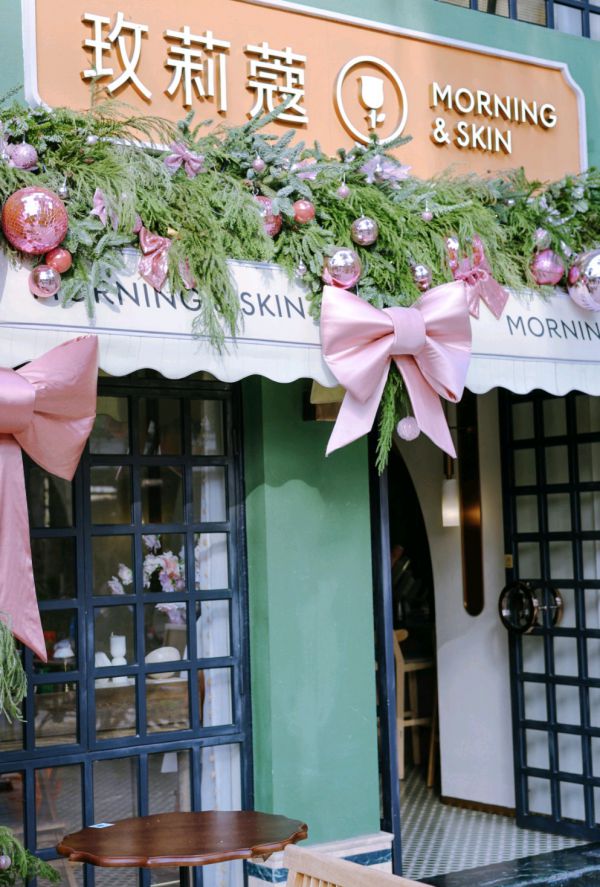
玫莉蔻全链赋能美业创业,择“玫”而居,扎根玫瑰芬芳稳前行
Jin Tou Wang· 2026-02-27 02:28
Core Viewpoint - The company, Meili Ke, emphasizes a supportive ecosystem for beauty industry entrepreneurs, providing comprehensive resources and guidance to ensure their success in a competitive market [1][14]. Group 1: Product Quality and Supply Chain - Meili Ke sources its products from a rose base in the Longmen Mountains, ensuring high-quality ingredients through meticulous hand-picking and low-temperature distillation processes [3][4]. - The company utilizes an intelligent supply chain for dynamic restocking, ensuring that all products in stores are fresh and quality-controlled, allowing entrepreneurs to focus on customer service [4]. Group 2: Store Support and Training - Meili Ke offers extensive support for new entrepreneurs, including site selection based on market data and customer flow analysis, as well as standardized aesthetic design for store interiors [6][7]. - The company provides a "New Aesthetic Business School" for training, covering product knowledge, marketing techniques, and customer communication, ensuring that even inexperienced entrepreneurs can thrive [7]. Group 3: Marketing and Customer Acquisition - The company has established a closed-loop system for customer acquisition, combining online traffic generation with offline experiences, utilizing platforms like Douyin and Meituan for targeted marketing [9][10]. - Meili Ke's immersive store environments and customized service offerings help convert online interest into repeat customers, reducing the burden on entrepreneurs to manage marketing efforts [10]. Group 4: Community and Emotional Support - Meili Ke fosters a sense of community among nearly 2,000 store owners, encouraging the sharing of operational insights and mutual support [12]. - The brand actively listens to the needs of entrepreneurs, providing ongoing support from initial setup to long-term growth, creating a familial bond beyond a mere business relationship [12][14].


整个社会都在喊没钱了,为什么这些公司反而年赚百亿?
创业家· 2026-02-24 10:28
Core Insights - The article emphasizes that despite the prevailing narrative of economic hardship, certain industries are thriving and generating substantial profits, particularly in the context of Japan's "lost 30 years" and its implications for various sectors [3][4]. Group 1: Economic Trends - The concept of a "low-desire society" does not equate to a lack of opportunities, as consumer behavior is shifting towards different spending patterns [4]. - The article identifies eight key industries that are capitalizing on changing consumer demands, highlighting that demand migration and consumption segmentation present significant business opportunities [5]. Group 2: Key Industries - **Second-Hand Economy**: The second-hand luxury market in Japan, exemplified by companies like Daikokuya, has seen a dramatic increase in revenue. In China, platforms like Hongbulin and Panghu are experiencing similar growth [6][7]. - **Pet Economy**: With declining birth rates, spending on pets is increasing, as seen with brands like Inaba in Japan and Guobao in China, which are witnessing strong sales in pet food and healthcare products [12][13][15]. - **Adult Care**: The adult diaper market in Japan has surpassed $10 billion, indicating that aging populations can drive significant economic opportunities [18][19]. - **Health Food and Beverages**: The rise in health consciousness has led to increased demand for products like sugar-free tea and functional beverages in both Japan and China [21]. - **Beauty and Aesthetics**: The beauty industry continues to thrive, with products like collagen supplements and home beauty devices gaining popularity, indicating a strong consumer desire for self-improvement [23][25][26]. - **Outdoor Recreation**: Companies in the outdoor equipment sector, such as Snow Peak in Japan, are profiting from the growing interest in outdoor activities, with Chinese brands also seeing rapid sales growth [29][31]. - **Convenience Economy**: The demand for convenience is driving growth in frozen food and smart home appliances, as consumers seek to save time in their daily routines [39][40]. - **Lazy Economy**: The trend towards convenience is evident in the increasing popularity of products that save time, suggesting that time-saving solutions may hold more commercial value than cost-saving ones in a low-desire economy [42]. Group 3: Market Dynamics - The article posits that while many perceive the current market as a "winter," the true winners will be those who identify and invest in counter-cyclical opportunities [44].





8点1氪:胖东来创始人于东来宣布年后退休,账号改名“傻坏蛋”;华住会被消协约谈;缅甸出现新诈骗园区,距KK园区五公里
36氪· 2026-02-12 00:00
Group 1 - Founder of Fat Donglai, Yu Donglai, announced his retirement after the New Year, transitioning to an advisory role, with the decision-making now led by the Fat Donglai decision-making committee [3] - Yu Donglai, born in 1966, has gradually handed over operational responsibilities since June 2023, focusing on life philosophy and planning to step down as general manager by 2025 [3][4] - Yu revealed his health issues, including a history of cancer surgeries and ongoing health challenges, which influenced his decision to retire [4] Group 2 - Xiaomi Group's stock rose over 5% following the announcement of the new generation SU7 expected to launch in April [7] - Apple plans to maintain the same starting prices for the iPhone 18 Pro series as the iPhone 17 Pro series, despite rising component costs, by negotiating better supply chain deals [8][9] - Chery's QQ model is being revived after 12 years, with plans to position it as a Chinese equivalent to MINI, aiming to leverage its historical success in the market [9] Group 3 - Yonghui Supermarket's CEO issued an apology for straying from the company's founding principles, acknowledging past failures and outlining future adjustments after a projected net loss of 2.14 billion yuan for 2025 [10] - Coca-Cola reported a 2% revenue growth for 2025, with a net profit increase of 23%, exceeding market expectations [22] - In contrast, Innotech's 2025 net profit fell by 40.84%, highlighting challenges faced by the company [23]

雅诗兰黛起诉沃尔玛销售假冒美容产品
Xin Lang Cai Jing· 2026-02-10 23:13
Core Viewpoint - Estée Lauder has filed a lawsuit against Walmart, accusing the retailer of selling counterfeit beauty products on its website and failing to take adequate measures to ensure that only authorized and genuine products are provided to consumers [1][2][3] Group 1: Lawsuit Details - The lawsuit claims that Estée Lauder has tested various products sold on Walmart's platform, including those branded with Le Labo, La Mer, Clinique, Aveda, Tom Ford, and Estée Lauder, and found them to be counterfeit [1][2] - Specific counterfeit products mentioned include Estée Lauder's Advanced Night Repair serum, Le Labo perfumes, Clinique eye cream, La Mer lotion, Aveda combs, and Tom Ford perfumes [1][2] Group 2: Walmart's Role - Estée Lauder asserts that Walmart plays an active role in facilitating the sales of these counterfeit products, describing Walmart's actions as "extreme, outrageous, fraudulent... despicable and harmful" [1][3] - The lawsuit states that these counterfeit products are promoted and advertised on Walmart's platform, using Estée Lauder's trademarks for search engine optimization to attract traffic to these product pages, from which Walmart profits [1][3] Group 3: Consumer Confusion - The lawsuit highlights that consumers shopping on Walmart's website have reason to believe that Walmart, rather than third-party sellers, is the seller of the products, which could lead to consumer confusion [1][3] - Estée Lauder claims that while Walmart promotes the "reputation and expertise" of its authorized sellers, it has taken "almost no measures" to ensure that only authorized genuine products are sold on its platform [2][3]


整个社会都在喊没钱了,为什么这些公司反而年赚百亿?
创业家· 2026-02-03 10:39
Core Insights - The article emphasizes that despite the prevailing narrative of economic hardship, certain industries are thriving and generating substantial profits, particularly in Japan and China [3][4]. - It identifies eight key sectors that are capitalizing on changing consumer behaviors and preferences, presenting significant business opportunities [5]. Group 1: Key Industries - **Second-Hand Economy**: The second-hand luxury market in Japan, exemplified by companies like Daikokuya, has seen explosive revenue growth. In China, platforms like Hongbulin and Panghu are experiencing similar success, indicating a shift in consumer spending from new luxury goods to second-hand items [6][7][8]. - **Pet Economy**: With declining birth rates, young consumers are increasingly spending on pet products. Companies like Inaba in Japan and Guobao in China are witnessing strong stock performance due to rising demand for pet food and healthcare products [12][13][15]. - **Adult Care**: The adult diaper market in Japan has surpassed $10 billion, highlighting the economic potential of the aging population. This sector is viewed as a significant opportunity rather than a burden [17][18][19]. Group 2: Health and Wellness - **Health Food and Beverages**: The rise in health consciousness and demographic changes have led to increased demand for sugar-free beverages and functional foods. Brands like Suntory and various Chinese counterparts are experiencing significant growth in this area [21][22]. - **Beauty and Aesthetics**: The demand for beauty products, including collagen supplements and at-home beauty devices, remains strong. Companies like Jinbo Biological and U like are achieving substantial sales, indicating that consumers prioritize beauty even in economic downturns [23][24][26]. Group 3: Outdoor and Leisure - **Outdoor Recreation**: Companies in the outdoor equipment sector, such as Snow Peak in Japan and various Chinese brands, are benefiting from a growing interest in outdoor activities and camping, with significant sales increases reported [29][31]. - **Convenience Economy**: The trend towards convenience is driving growth in frozen food and smart home appliances. Brands like Anjijia and various AI-driven home devices are gaining traction as consumers seek to save time [39][40][42]. Group 4: Market Dynamics - The article posits that the current low-desire economic environment presents unique opportunities for businesses that can identify and invest in counter-cyclical trends. Companies that adapt to changing consumer needs and preferences are likely to emerge as winners in this landscape [44].

2026年线上消费市场机遇洞察报告
Sou Hu Cai Jing· 2026-01-31 05:20
Group 1 - The core viewpoint of the report indicates that the online consumption market is transitioning from "incremental expansion" to a new normal characterized by "stock renewal" and "structural upgrading," with a solid market foundation but significant changes in growth momentum and consumer preferences [1] - The report highlights that rational decision-making, emotional resonance, health prioritization, and efficiency pursuit are the main driving forces in the current market [1] - E-commerce platforms show that growth highlights have shifted from traditional broad categories to emerging tracks driven by specific scenarios, segmented needs, and high-value experiences [1] Group 2 - The "self-care" economy is deepening in personal consumption, with the beauty and skincare market evolving beyond basic functionality to a dual satisfaction of "emotion + efficacy" [2] - The concept of "emotional skincare" is emerging, where brands convey emotional value through storytelling and sensory experiences, while professional skincare products gain high trust due to transparency and efficacy [2] - In the snack market, health has permeated daily consumption, with functional snacks and low-GI foods seeing explosive sales, and snacks also serving as low-threshold emotional regulation tools [2] Group 3 - The family unit remains the core consumption scene, evolving towards smarter, healthier, and more emotionally connected demands [3] - The home appliance industry is transitioning towards green and smart solutions, with strong consumer demand for health management features in products like air conditioners and refrigerators [3] - There is a notable rise in "pet-friendly appliances," reflecting the refined and humanized needs arising from pets being considered family members [3] Group 4 - Outdoor activities are no longer limited to professional adventures but are quickly integrating into urban daily life, with "light outdoor" becoming a mainstream lifestyle [4] - This shift is driving consumption characterized by "lightweight equipment" and "diverse scenarios," with traditional outdoor gear emphasizing convenience and aesthetics for urban commuting and leisure [4] - Consumers are seeking comfortable and convenient gear to easily experience nature and release emotions, leading to a closer integration of outdoor industries with everyday life [4] Group 5 - The report concludes that current opportunities in the online consumption market are deeply rooted in changing consumer perceptions, shifting from ownership to experience, and from price-performance focus to value-based considerations [5] - The essence of consumption is increasingly returning to the concrete construction of a better life, whether for personal health and happiness, creating a comfortable and intelligent home environment, or expanding diverse life experiences [5] - Market participants must deeply understand these subtle yet powerful shifts in demand to innovate products, communicate value, and explore scenarios effectively [5]

整个社会都在喊没钱了,为什么这些公司反而年赚百亿?
创业家· 2026-01-29 10:34
Core Viewpoint - The article emphasizes that despite the prevailing narrative of economic hardship, certain industries are thriving and generating significant profits, particularly in the context of Japan's "lost 30 years" and the evolving consumer behavior in China [3][4]. Group 1: Economic Shifts and Opportunities - The concept of a "low-desire society" does not equate to a lack of opportunities, as consumer demand is shifting towards different sectors [4]. - The article identifies eight key industries that are capitalizing on changing consumer preferences, highlighting that demand migration presents substantial business opportunities [5]. Group 2: Key Industries and Trends - **Second-Hand Economy**: The second-hand luxury market in Japan, exemplified by companies like Daikokuya, has seen a significant revenue increase. In China, platforms like Hongbulin and Panghu are experiencing similar growth [6][7]. - **Pet Economy**: With declining birth rates, spending on pets is rising, as seen with brands like Inaba in Japan and Guobao in China, indicating a robust market for pet products and services [12][13][14]. - **Adult Care**: The adult diaper market in Japan has surpassed $10 billion, showcasing the potential of the aging population as a lucrative economic segment [17][18]. - **Health Food and Beverages**: The rise in health consciousness has led to increased demand for products like sugar-free tea and functional beverages in both Japan and China [21]. - **Beauty and Aesthetics**: The beauty industry continues to thrive, with products like collagen supplements and home beauty devices gaining popularity, indicating a strong consumer focus on personal care [23][24][26]. - **Outdoor Recreation**: Companies in the outdoor equipment sector, such as Snow Peak in Japan, are profiting from the growing interest in outdoor activities, reflecting a shift in consumer spending priorities [29][31]. - **Convenience Economy**: The demand for convenience products, such as frozen foods and smart home appliances, is increasing as younger generations seek to save time in their daily routines [39][40]. - **Leisure and Experience Economy**: Consumers are willing to spend on experiences and small pleasures, indicating a dual trend of frugality and indulgence in spending [36][44].