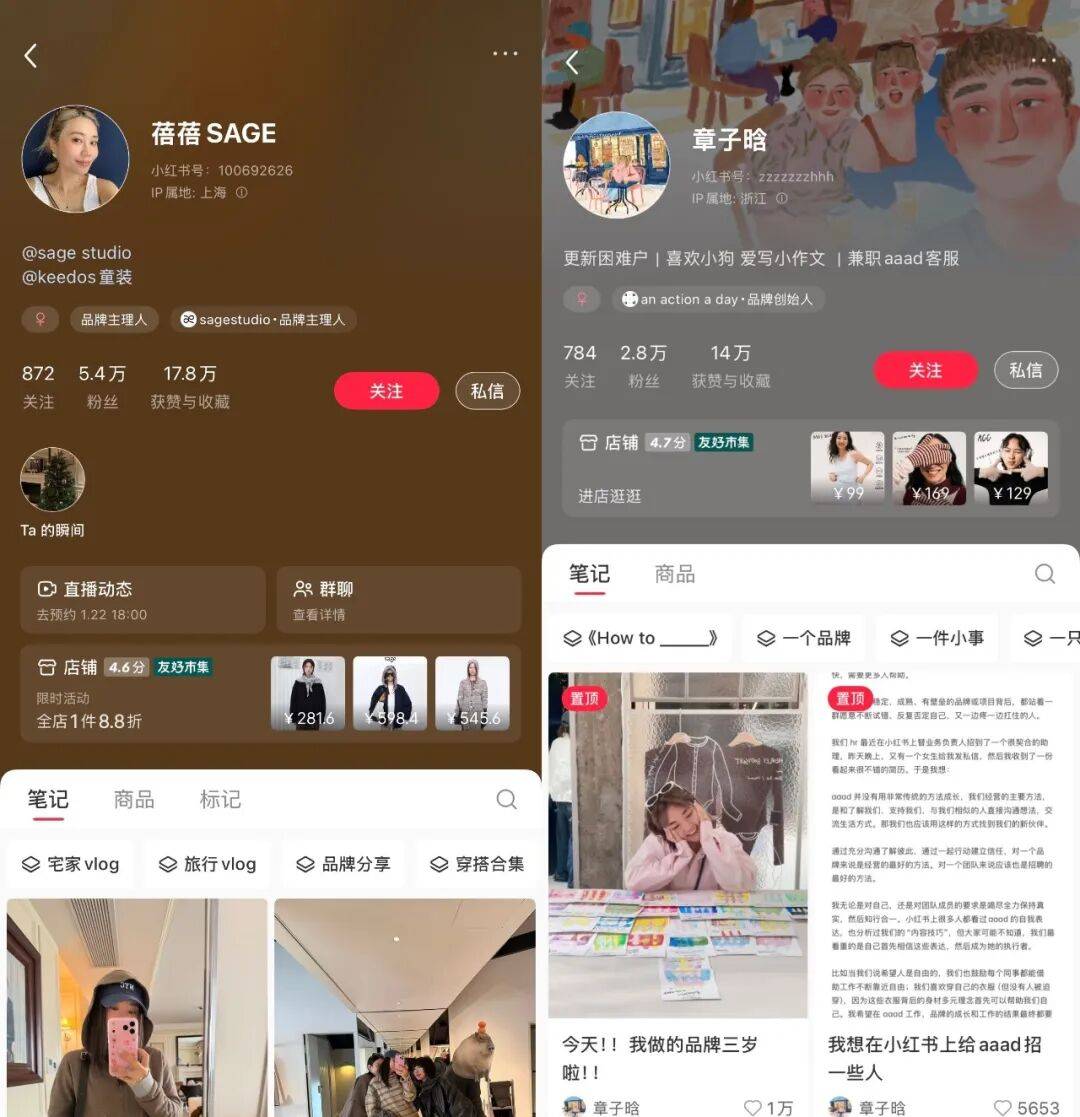
品牌表达活人化

Search documents
消费复苏需要一场差异化创新
Sou Hu Cai Jing· 2026-01-25 01:32
Core Insights - The article discusses the evolving consumer sentiment towards authenticity and emotional value in the market, highlighting a shift from superficial branding to genuine, relatable experiences [1][2][3] Group 1: Brand Expression and Authenticity - The trend of "humanized" brand expression is emerging, where real dialogue replaces scripted marketing, with founders and employees becoming vital carriers of brand values [1][4][5] - Consumers are increasingly discerning, able to differentiate between brands that genuinely believe in their values and those that merely use them for marketing purposes, as illustrated by the backlash against brands like "始祖鸟" [4][5] - The rise of social media platforms allows founders to engage directly with consumers, fostering a sense of community and trust [5][7] Group 2: Local Cultural Renaissance - There is a resurgence of local flavors and cultural heritage, with consumers seeking experiential tourism and local products, as evidenced by a 1493% increase in searches for "贵州深度游" [11][14] - The concept of "bistro" has been localized in China, leading to the emergence of various regional bistros that cater to consumer preferences for local cuisine [12][14] - Local cultural elements are being integrated into mainstream commercial settings, enhancing the value of local products and crafts [16] Group 3: Return to Offline Experiences - The trend of returning to offline experiences is driven by a desire for social interaction and immersive experiences, with events like concerts and pop-up activities gaining popularity [17][18] - Brands are increasingly opening flagship stores that offer unique experiences, moving beyond traditional retail to create engaging environments [18][20] - The shift back to offline is also a response to the saturation of online content and the need for differentiated experiences that cannot be replicated online [22] Group 4: Non-standard Commercialization and Community Business - The non-standard commercial sector is facing challenges, with discussions around its sustainability and the need for unique, engaging experiences to attract consumers [23][24] - Successful non-standard commercial ventures often rely on tourism and local cultural appeal, as seen in cities like Bangkok [24][26] - Community-oriented businesses are emerging as a bright spot in the market, focusing on stable user bases and localized offerings [30][31] Group 5: Opportunities for Small Brands - The current market environment presents opportunities for small and medium-sized brands to thrive by focusing on differentiation and emotional value [31] - The rise of niche brands that cater to specific consumer interests and preferences is expected, as consumers increasingly seek personalized and authentic experiences [31]