商办改住

Search documents
商办改住进行时
经济观察报· 2026-02-13 07:50
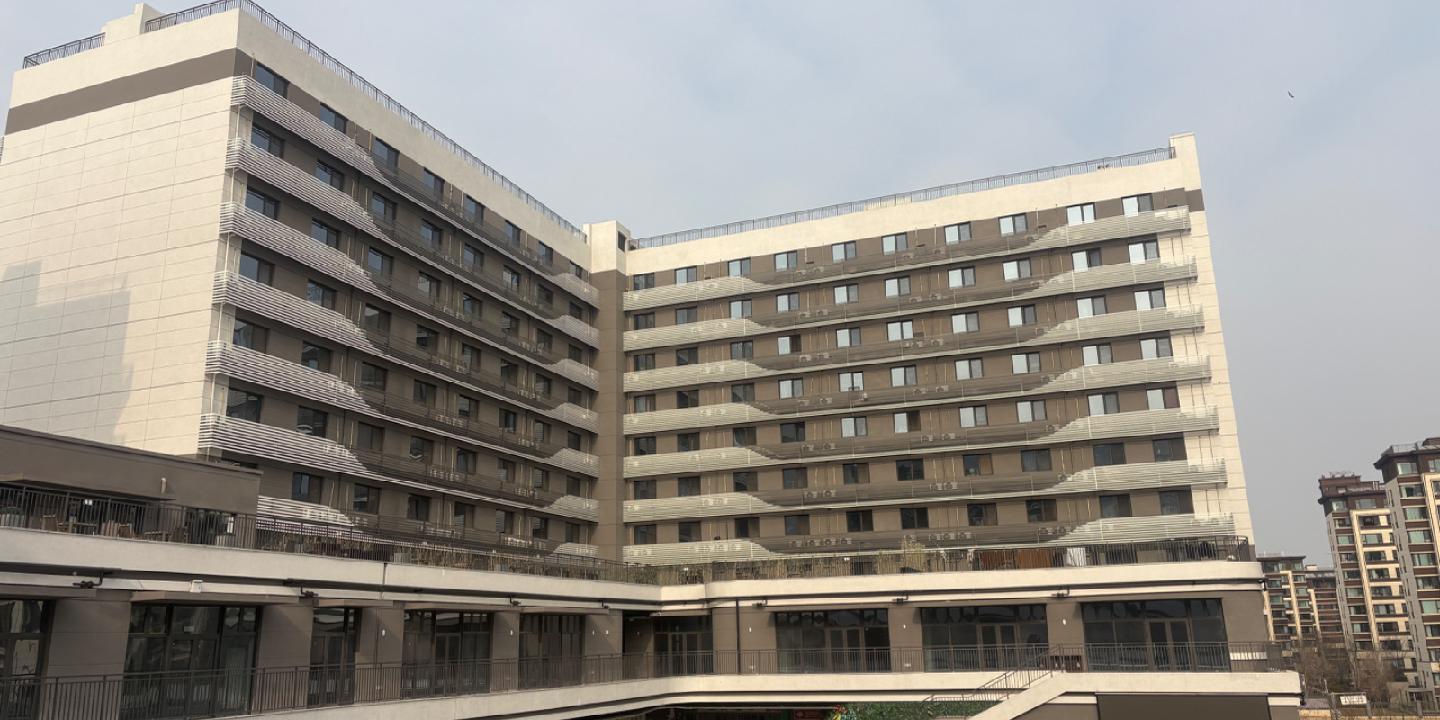
Core Viewpoint - The transition of the real estate market from an incremental to a stock era has led to non-residential stock renovation projects becoming a significant source of affordable rental housing in Beijing [2][5]. Group 1: Non-Residential Stock Renovation Projects - Non-residential stock primarily refers to completed commercial, office, hotel, and apartment buildings. The implementation of commercial office purchase restrictions in Beijing since 2017 has prompted developers to find ways to monetize idle assets in suburban areas [2][5]. - The Dragon Lake Guanyu Capital Airport project, which is a typical example of non-residential stock renovation, includes 660 units, with 300 designated for recent graduates working in Beijing [5][6]. - From 2022 to 2024, 28 non-residential stock renovation projects were recognized by Beijing's housing authority, contributing to 18,000 units, making it the second-largest source of affordable rental housing [6][9]. Group 2: Impact on Urban Development - Renovating idle commercial projects into rental housing not only revitalizes the projects themselves but also enhances the surrounding urban infrastructure, including public utilities and community amenities [10]. - The Dragon Lake Guanyu project, despite having only 660 units, has created a small living circle that injects vitality into the surrounding community, thereby increasing the commercial viability of nearby businesses [10][11]. - The transformation of commercial properties into rental housing is becoming a common strategy in many cities, with the potential to significantly boost local economies by increasing foot traffic and consumer activity [11]. Group 3: Policy Evolution - The Chinese government has progressively encouraged the conversion of non-residential stock into rental housing since 2016, with various policies formalizing this approach [13][14]. - By 2023, the Beijing housing authority implemented measures to simplify the approval process for such renovations, significantly lowering the barriers to entry for developers [15]. - The proportion of non-residential stock renovation projects in Beijing is expected to rise from under 10% to nearly 30% by the end of 2025, marking a shift towards prioritizing stock renovation alongside new construction [15][16].


商办改住进行时
Jing Ji Guan Cha Wang· 2026-02-12 13:18
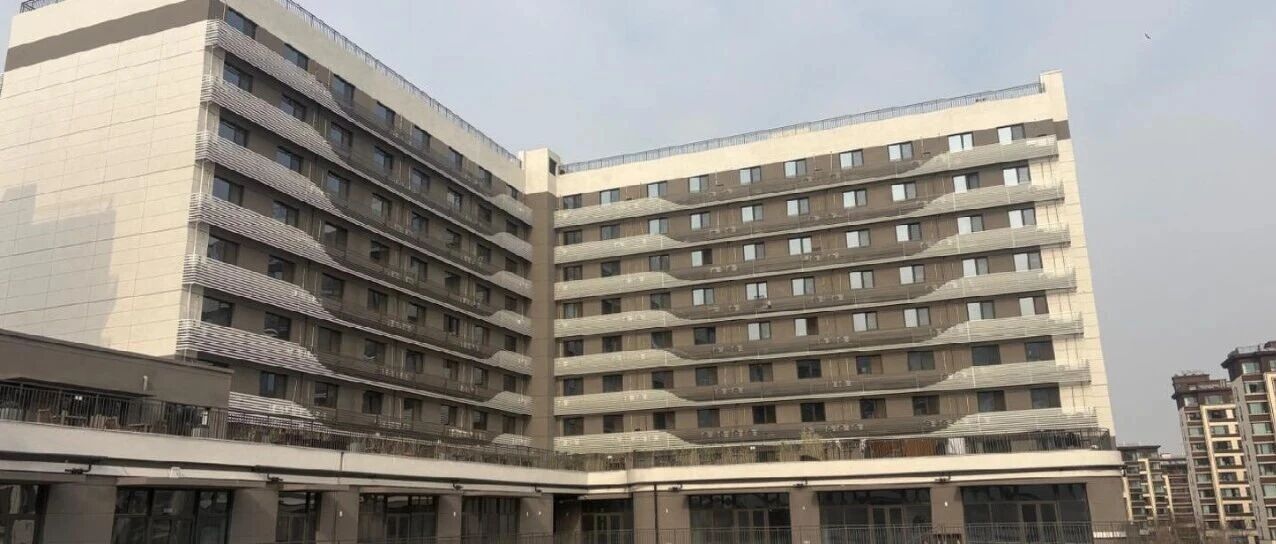
Core Viewpoint - The transformation of the real estate market from an incremental to a stock era has led to non-residential stock renovation projects becoming a significant source of affordable rental housing in Beijing, with a notable increase in the proportion of such projects in the upcoming years [2][5]. Group 1: Non-Residential Stock Renovation - Non-residential stock primarily refers to completed commercial, office, hotel, and apartment buildings [2]. - In 2025, non-residential stock renovation is expected to account for 100% of the third batch of affordable rental housing projects in Beijing [5]. - The renovation policy has helped developers monetize idle assets and increase the supply of rental housing, benefiting both developers and the city [2][5]. Group 2: Specific Projects - The Longfor Crown Apartment near Beijing Capital Airport is a typical example of a non-residential stock renovation project, with 660 units, 300 of which are designated for recent graduates [3][5]. - The project was initiated in 2020, with a total investment of 2.43 billion yuan and a planned construction area of 146,000 square meters [3]. - The commercial building associated with this project has seen limited sales, with only 15 units signed online as of the latest data [4]. Group 3: Policy and Market Dynamics - From 2022 to 2024, 28 non-residential stock renovation projects were recognized by the Beijing Housing and Urban-Rural Development Committee, contributing to 1.8 million units of affordable housing [7]. - The proportion of affordable housing sourced from non-residential stock renovation has increased significantly, from 41.7% in the first batch to 52.5% in the second batch [5]. - The government has implemented various policies to encourage the conversion of idle commercial properties into rental housing, including simplified approval processes and financial incentives [12][13]. Group 4: Economic and Community Impact - Renovating idle commercial properties into rental housing not only revitalizes the projects themselves but also enhances the surrounding community infrastructure, including public utilities and local businesses [8][9]. - The presence of rental apartments can stimulate local commercial activity, as seen with the Longfor Crown Apartment, which has positively impacted nearby businesses [9]. - The integration of rental housing into existing communities can lead to concerns about neighborhood tranquility, but it also brings increased foot traffic and economic activity [9].