保障性租赁住房

Search documents
申万宏源助力新黄浦保租房机构间REITs圆满发行,打造“投行+投资”服务实体经济新标杆
申万宏源证券上海北京西路营业部· 2026-02-27 02:22
Group 1 - The core viewpoint of the article highlights the successful establishment of the "New Huangpu Dream City Rental Housing Asset-Backed Special Plan" (referred to as "New Huangpu 01") by Shenwan Hongyuan, marking a significant milestone as the first institutional REITs project underwritten in East China [2] - The project has an issuance scale of 1.1942 billion yuan, with the original equity holder being Shanghai New Huangpu Industrial Holding Group Co., Ltd. (600638.SH) [2] - The target asset for this issuance, the New Huangpu Dream City Meilong International Community, aligns with the national policy of "housing for living, not for speculation," promoting the development of affordable rental housing [2] Group 2 - The issuance received enthusiastic subscriptions from diverse investment institutions, resulting in multiple times oversubscription, showcasing strong market interest [2] - This successful issuance exemplifies Shenwan Hongyuan's commitment to "empowering the real economy through finance," responding actively to national calls for a new model of real estate development [2] - The project involved efficient collaboration among various departments within Shenwan Hongyuan, including the Fixed Income Financing Headquarters and Institutional Client Headquarters, reflecting the company's strategic approach of "investment banking + investment" [2]


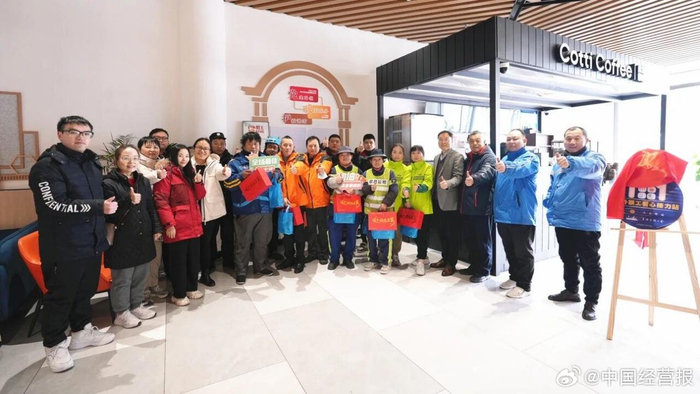
快递小哥留沪过年收入翻倍,保租房里年味浓
Zhong Guo Jing Ying Bao· 2026-02-24 07:01
Core Insights - The article highlights the experiences of delivery workers, particularly during the Chinese New Year, emphasizing the supportive environment created by shared living spaces and community initiatives in Shanghai [1][2][3]. Group 1: Delivery Industry Support - The express delivery industry has implemented measures to support workers during the Chinese New Year, including increased pay and daily allowances for those who choose to work during the holiday [2][3]. - The State Post Bureau has issued guidelines to ensure the rights of delivery workers are protected, including timely payment of overtime and holiday bonuses, as well as providing essential services like meals and accommodation [2]. Group 2: Community Living and Integration - The "联寓公寓" (Lianyu Apartment) serves as a significant housing solution for urban workers, offering 1,346 beds and 242 rooms, providing a comfortable living environment for those working in the city [1][3]. - The apartment complex organized a "New Year Garden Party" to foster community spirit among young workers, showcasing the importance of social integration and support networks [2][3]. - The local government has been proactive in addressing residents' needs, such as installing 40 charging stations for electric bikes in response to tenant requests, demonstrating effective community governance [4]. Group 3: Housing Initiatives - During the 14th Five-Year Plan, Huangpu District has secured over 11,700 units of affordable rental housing, with more than 8,800 units already supplied, indicating a strong commitment to providing housing for urban workers [3]. - The "新时代城市建设者管理者之家" (New Era City Builders' Management Home) has established 3,753 beds to accommodate the needs of urban workers, reflecting ongoing efforts to enhance living conditions [3].
新春走基层|“他乡”变“吾乡” “快递小哥”诉说上海保租房里的春节喜乐
Zhong Guo Jing Ying Bao· 2026-02-24 05:16
Core Viewpoint - The article highlights the experiences of delivery workers during the Chinese New Year, focusing on the supportive measures taken by companies and community initiatives to enhance their working conditions and living experiences in Shanghai. Group 1: Delivery Workers' Experiences - Delivery workers, like Li Wei, reported significant income increases during the Chinese New Year, with earnings reaching 3 to 4 times their usual income due to enhanced pay and bonuses for working during the holiday [1][2]. - The article describes a community event organized for delivery workers, creating a festive atmosphere and providing a sense of belonging among those who stayed in Shanghai for the holiday [1][2]. Group 2: Community Support and Initiatives - The "New Era City Builders' Management Home" provides affordable housing options for workers, with facilities that include independent bathrooms and shared living spaces, enhancing their living conditions [3]. - The local government and postal authorities have implemented measures to protect the rights of delivery workers, ensuring fair compensation and support services during the holiday season [2][3]. - The community has actively engaged with delivery workers to address their needs, such as installing charging stations for electric bikes in response to requests from residents [3]. Group 3: Housing and Living Conditions - The "New Era City Builders' Management Home" offers 1,346 beds and 242 rooms, catering to the needs of urban workers in Shanghai [1]. - During the 14th Five-Year Plan, Huangpu District has secured over 11,700 units of affordable rental housing, with more than 8,800 units already supplied [3].

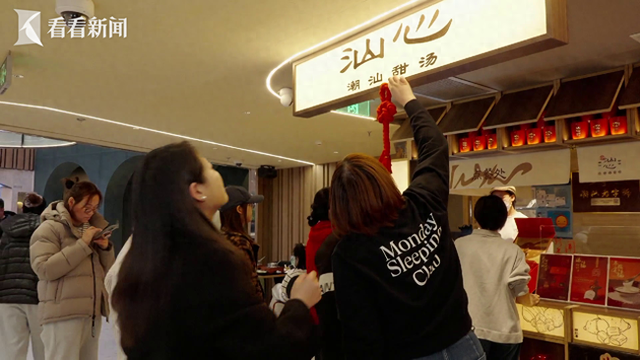
在上海保租房社区解锁新春“家”年华
Xin Lang Cai Jing· 2026-02-22 16:55
Core Viewpoint - The article highlights the cultural significance of the Chinese New Year ("年味") and how it is experienced by various communities in Shanghai, particularly by migrant workers and entrepreneurs who may not return home for the holiday. The community becomes a space for them to create and experience the festive atmosphere together. Group 1: Community and Living Conditions - A rental community in Shanghai, consisting of 926 units ranging from 51 to 93 square meters, has attracted many new residents due to its prime location and fully furnished apartments, making it appealing for those working in the city [5] - The community offers convenient amenities such as a supermarket and a community canteen, which enhance the living experience for residents [6] - The rental model allows residents to pay rent using their housing provident fund and sign contracts directly with state-owned landlords, simplifying the rental process [6] Group 2: Social Activities and Integration - The community organizes various social events, including activities for traditional festivals like the Spring Festival, fostering interaction among residents [6][8] - Residents, including foreign tenants, participate in cultural activities such as writing couplets and playing traditional games, creating a sense of belonging and shared experience [8] - The community serves as a long-term home for its residents, who appreciate the quality of life and the supportive environment it provides for their entrepreneurial endeavors [8]
2026第一波大招落地,多地官方下场收二手房。重庆……
Sou Hu Cai Jing· 2026-02-15 12:47
Core Viewpoint - The article discusses a significant shift in the housing market, where government-led initiatives to purchase second-hand homes are emerging as a crucial trend for 2026, indicating a deep restructuring of the housing system rather than a temporary market rescue [2][25]. Group 1: Government Initiatives - Multiple cities, including Shanghai, Nanjing, Hangzhou, and Haikou, are initiating a "stock housing acquisition wave" led by the government [2]. - In Shanghai, pilot programs are being launched in key districts such as Pudong, Jing'an, and Xuhui, with specific requirements for the properties being acquired [3][5]. - The acquisition conditions include properties built before 2000, with a maximum area of 70 square meters and a total price cap of 4 million yuan, with financial support from China Construction Bank [5]. Group 2: Housing Supply and Demand Dynamics - The acquired properties will be converted into affordable rental housing to support new citizens and young people [5][10]. - The acquisition model aims to address liquidity issues in the stock housing market while simultaneously creating affordable housing options [10][11]. - The policy is designed to stimulate the new housing market by releasing funds and housing vouchers, thereby facilitating a smoother transition for homeowners [9][15]. Group 3: Broader Implications - The current initiatives are seen as a way to build confidence in the housing market and provide a predictable exit mechanism during times of slow market liquidity [13][14]. - The approach benefits multiple stakeholders, including homeowners looking to upgrade and renters seeking affordable housing, ultimately improving overall market liquidity [16]. - The article highlights that while the scope may be limited initially, the signal sent by these policies is clear: the government is actively working to revitalize the housing market [15][26]. Group 4: Case Study - Chongqing - Chongqing has not officially announced the purchase of individual second-hand homes but is exploring beneficial strategies within the broader framework of stock revitalization [18]. - In early 2024, state-owned enterprises in Chongqing acquired seven stock housing projects, totaling 4,207 units, demonstrating a proactive approach to housing supply [20]. - The city has implemented various measures to stabilize the real estate market, including a recent announcement of 22 policies aimed at revitalizing stock housing [23][24].
缓解库存压力!多城开始收购二手房用于保租房
Sou Hu Cai Jing· 2026-02-14 01:05
Core Viewpoint - Shanghai's pilot program for purchasing second-hand homes to expand affordable rental housing supply has attracted nationwide attention, marking a shift from traditional "old for new" models to a dual approach of cash purchases and housing vouchers [1][4]. Group 1: Pilot Program Details - The pilot program has been launched in Shanghai's Pudong, Jing'an, and Xuhui districts, focusing on acquiring lower-priced "old and small" properties, specifically targeting homes built before 2000, with a maximum price of 4 million yuan and an area of 70 square meters or less [1][3]. - The China Construction Bank's Shanghai branch will provide full-cycle financial support for the acquisition of second-hand homes for affordable rental housing projects [1][4]. Group 2: Comparison with Other Cities - Other cities like Zhengzhou and Changsha have previously explored similar initiatives, but primarily through "old for new" models, focusing on converting existing stock into affordable housing or talent housing [2][3]. - Changsha's approach includes a detailed acquisition standard, emphasizing properties between 60-120 square meters, with a maximum area of 143 square meters, and prices based on market evaluations [2]. Group 3: Market Implications - The new acquisition model in Shanghai is expected to stabilize market benchmark prices and avoid irrational declines, as these centrally located, well-equipped second-hand homes could attract demand after renovation [3]. - The initiative is anticipated to alleviate inventory pressure on older small units, streamline the transaction cycle, and create a positive feedback loop of second-hand home purchases leading to improved demand and new home sales [3][4].
商办改住进行时
经济观察报· 2026-02-13 07:50
Core Viewpoint - The transition of the real estate market from an incremental to a stock era has led to non-residential stock renovation projects becoming a significant source of affordable rental housing in Beijing [2][5]. Group 1: Non-Residential Stock Renovation Projects - Non-residential stock primarily refers to completed commercial, office, hotel, and apartment buildings. The implementation of commercial office purchase restrictions in Beijing since 2017 has prompted developers to find ways to monetize idle assets in suburban areas [2][5]. - The Dragon Lake Guanyu Capital Airport project, which is a typical example of non-residential stock renovation, includes 660 units, with 300 designated for recent graduates working in Beijing [5][6]. - From 2022 to 2024, 28 non-residential stock renovation projects were recognized by Beijing's housing authority, contributing to 18,000 units, making it the second-largest source of affordable rental housing [6][9]. Group 2: Impact on Urban Development - Renovating idle commercial projects into rental housing not only revitalizes the projects themselves but also enhances the surrounding urban infrastructure, including public utilities and community amenities [10]. - The Dragon Lake Guanyu project, despite having only 660 units, has created a small living circle that injects vitality into the surrounding community, thereby increasing the commercial viability of nearby businesses [10][11]. - The transformation of commercial properties into rental housing is becoming a common strategy in many cities, with the potential to significantly boost local economies by increasing foot traffic and consumer activity [11]. Group 3: Policy Evolution - The Chinese government has progressively encouraged the conversion of non-residential stock into rental housing since 2016, with various policies formalizing this approach [13][14]. - By 2023, the Beijing housing authority implemented measures to simplify the approval process for such renovations, significantly lowering the barriers to entry for developers [15]. - The proportion of non-residential stock renovation projects in Beijing is expected to rise from under 10% to nearly 30% by the end of 2025, marking a shift towards prioritizing stock renovation alongside new construction [15][16].

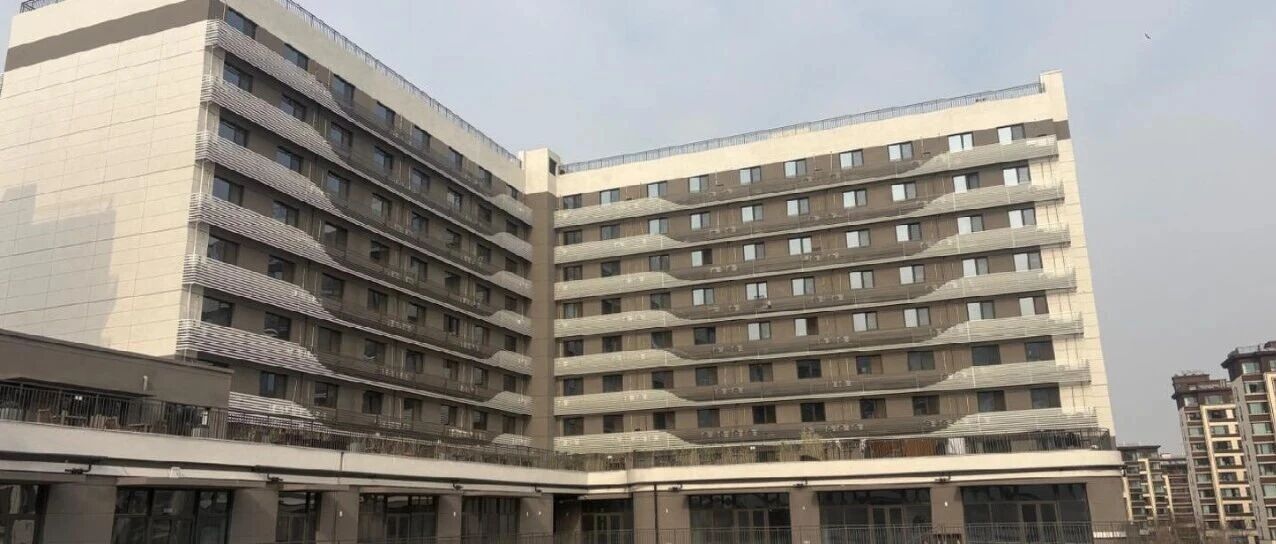
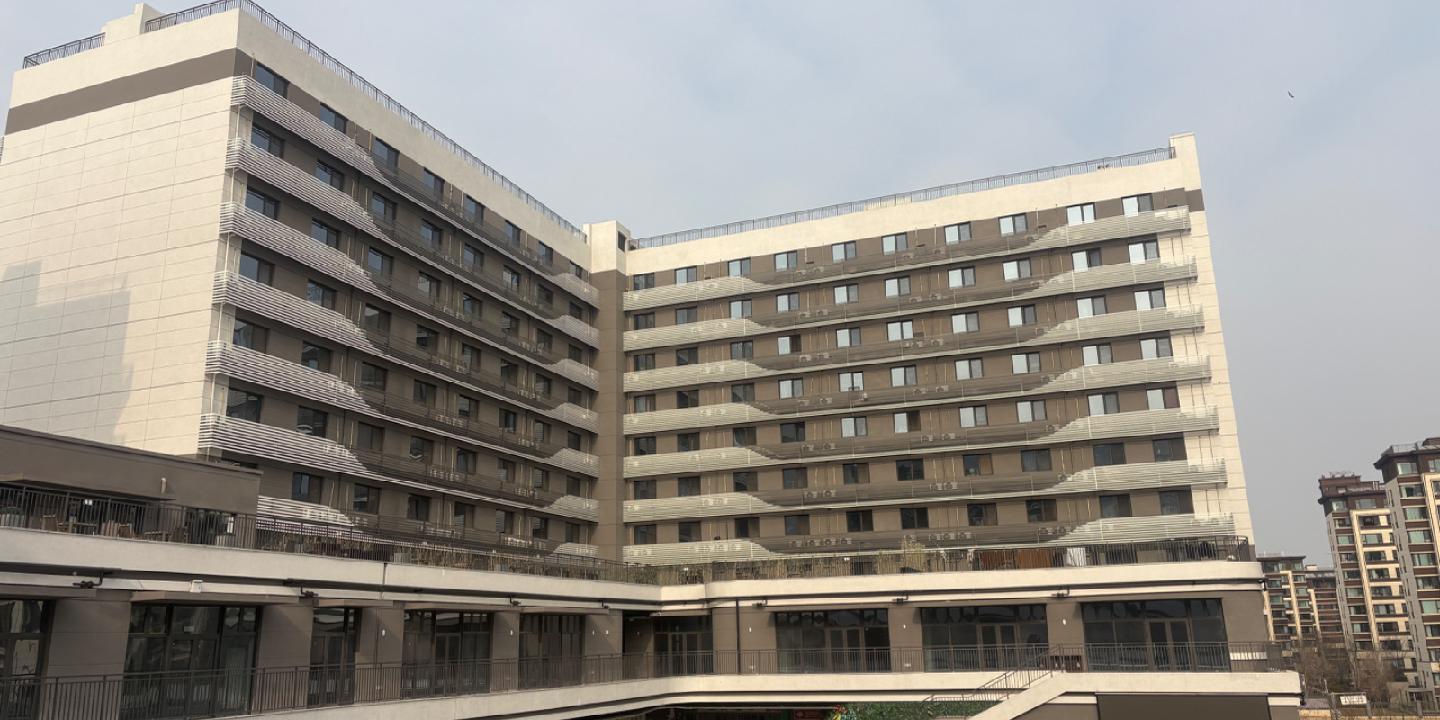
一栋办公楼的“第二次生长”——北京“商改保”样本调研
Zheng Quan Ri Bao· 2026-02-12 16:14
Core Insights - The article emphasizes the importance of optimizing the supply of affordable housing, with a focus on transforming idle commercial properties into affordable rental housing, known as "commercial-to-affordable" (商改保) [1] - Financial institutions play a crucial role in supporting these initiatives, exemplified by the establishment of a 30 billion yuan housing rental fund by China Construction Bank [1] - The successful transformation of a vacant office building into a rental housing project in Beijing demonstrates the viability of this model, achieving a rental rate of 92.8% within a year of operation [3][5] Group 1: Project Overview - The CCB Jianrong Home project in Beijing represents a collaboration between various entities, marking the first affordable rental housing project under the Jianxin Housing Rental Fund [2] - The project features modern amenities such as a shared lobby café, gym, and communal kitchen, catering to the needs of tenants while fostering community interaction [2] - The transformation from an idle office building to a functional living space involved modular design and efficient use of existing structures, enhancing operational returns [3][6] Group 2: Operational Efficiency - The project adopted an industrialized and modular renovation approach, reducing costs from an initial estimate of 2,500 yuan per square meter to approximately 2,300 yuan [6] - The renovation process was completed in a significantly shorter timeframe than industry averages, with key procedures finalized in just 66 days [6] - The integration of digital management systems allows for efficient monitoring and management of the property, enhancing tenant experience and operational efficiency [7] Group 3: Market Viability - The "commercial-to-affordable" model has proven effective in revitalizing underperforming assets, as evidenced by the project's success despite initial market skepticism regarding its location and competition [5] - The establishment of affordable housing REITs has become a pivotal mechanism for revitalizing idle assets and addressing housing supply needs, with eight such REITs successfully issued to date [8] - The financial structure provided by REITs addresses long-standing challenges in the rental housing sector, enabling a sustainable operational model for affordable housing projects [8][9]
商办改住进行时
Jing Ji Guan Cha Wang· 2026-02-12 13:18
Core Viewpoint - The transformation of the real estate market from an incremental to a stock era has led to non-residential stock renovation projects becoming a significant source of affordable rental housing in Beijing, with a notable increase in the proportion of such projects in the upcoming years [2][5]. Group 1: Non-Residential Stock Renovation - Non-residential stock primarily refers to completed commercial, office, hotel, and apartment buildings [2]. - In 2025, non-residential stock renovation is expected to account for 100% of the third batch of affordable rental housing projects in Beijing [5]. - The renovation policy has helped developers monetize idle assets and increase the supply of rental housing, benefiting both developers and the city [2][5]. Group 2: Specific Projects - The Longfor Crown Apartment near Beijing Capital Airport is a typical example of a non-residential stock renovation project, with 660 units, 300 of which are designated for recent graduates [3][5]. - The project was initiated in 2020, with a total investment of 2.43 billion yuan and a planned construction area of 146,000 square meters [3]. - The commercial building associated with this project has seen limited sales, with only 15 units signed online as of the latest data [4]. Group 3: Policy and Market Dynamics - From 2022 to 2024, 28 non-residential stock renovation projects were recognized by the Beijing Housing and Urban-Rural Development Committee, contributing to 1.8 million units of affordable housing [7]. - The proportion of affordable housing sourced from non-residential stock renovation has increased significantly, from 41.7% in the first batch to 52.5% in the second batch [5]. - The government has implemented various policies to encourage the conversion of idle commercial properties into rental housing, including simplified approval processes and financial incentives [12][13]. Group 4: Economic and Community Impact - Renovating idle commercial properties into rental housing not only revitalizes the projects themselves but also enhances the surrounding community infrastructure, including public utilities and local businesses [8][9]. - The presence of rental apartments can stimulate local commercial activity, as seen with the Longfor Crown Apartment, which has positively impacted nearby businesses [9]. - The integration of rental housing into existing communities can lead to concerns about neighborhood tranquility, but it also brings increased foot traffic and economic activity [9].
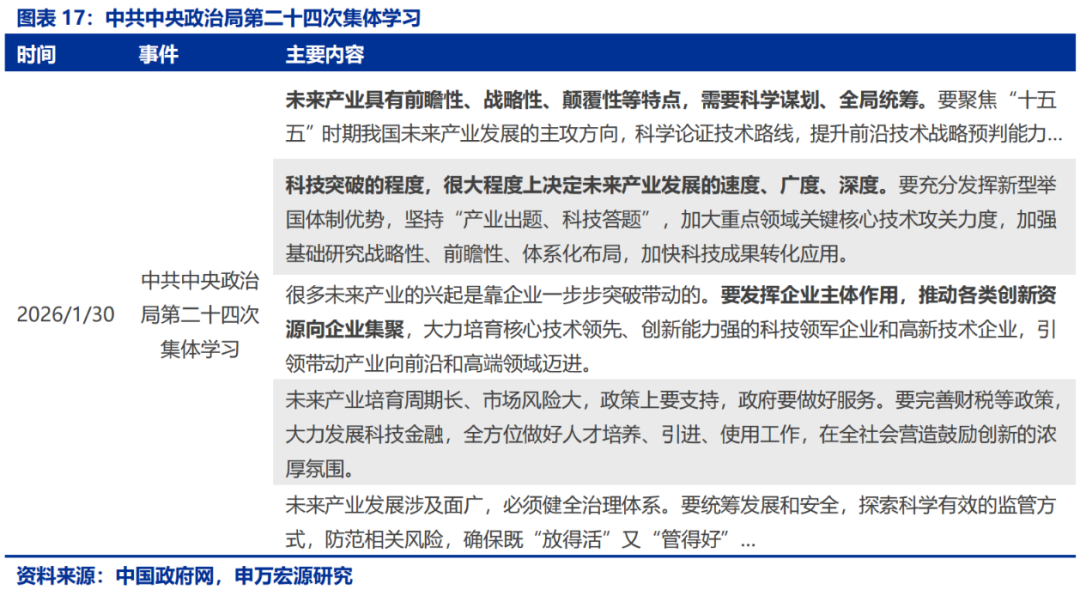
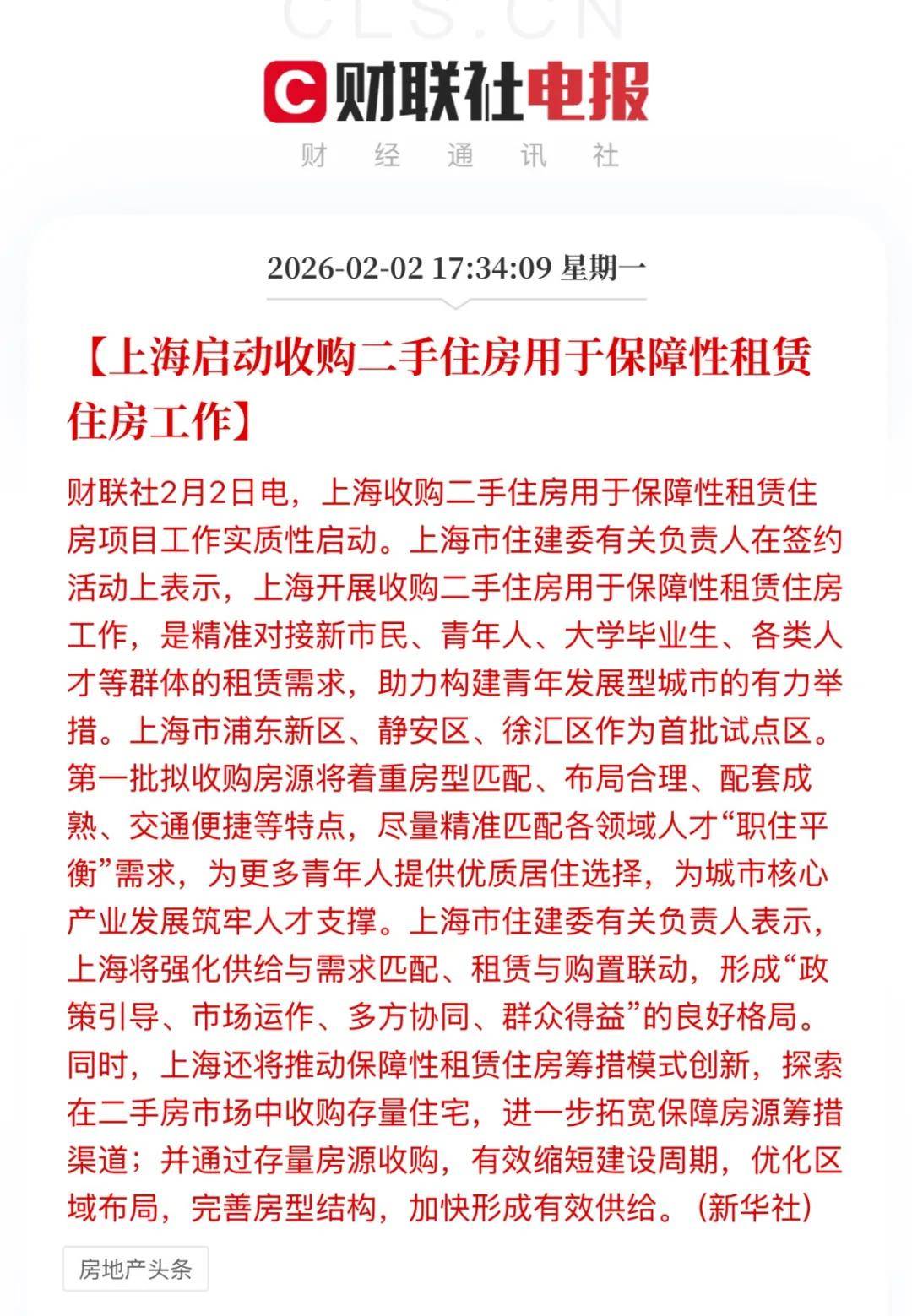
政策高频 | 中共中央政治局第二十四次集体学习召开(申万宏观·赵伟团队)
Xin Lang Cai Jing· 2026-02-11 16:40
Group 1 - The core message emphasizes the importance of cultivating future industries to seize technological and industrial leadership, enhance new productivity, and improve people's quality of life [1] - Future industries are characterized by foresight, strategic significance, and disruptive features, requiring a focus on the main directions during the "14th Five-Year Plan" period, aligning with national strategic needs and technological maturity [2] - The collective learning session highlighted the need to leverage the advantages of a new type of national system and the role of enterprises in driving innovation and technological breakthroughs [2][3] Group 2 - The Central Committee's document aims to anchor agricultural modernization and promote comprehensive rural revitalization, focusing on enhancing agricultural production capacity and implementing precise assistance measures [2][3] - Key tasks include stabilizing grain production at around 1.4 trillion jin, improving agricultural technology innovation, and ensuring farmers' stable income through effective support mechanisms [3][6] - The document outlines the necessity for systemic innovation and strong leadership in agricultural work to provide foundational support for modernization [6][7] Group 3 - The "2026 'Happy New Year' Spring Festival Special Activity Plan" aims to stimulate consumption during the Spring Festival by promoting various sectors such as dining, travel, and shopping [4][5] - The plan includes measures like prize invoices, trade-in subsidies, and financial consumer red envelopes to enhance consumer engagement and spending [5] Group 4 - The State Council's press conference clarified the central document's focus on four key tasks and two major support guarantees for rural revitalization, addressing issues like food security and agricultural technology innovation [6][7] - Emphasis is placed on developing county-level industries and ensuring stable employment for migrant workers to enhance rural economic resilience [7] Group 5 - Shanghai has initiated a program to purchase second-hand homes for affordable rental housing, targeting new citizens and young professionals to meet their housing needs [11][12] - The project aims to innovate the supply model for affordable housing by acquiring existing residential properties, thereby shortening construction cycles and optimizing regional layouts [12]