国债波动

Search documents
美国财长这句话,让日本极为尴尬!
Sou Hu Cai Jing· 2026-01-22 12:34
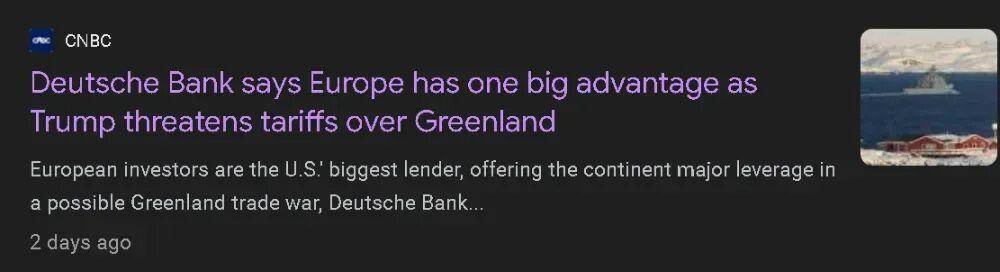
Group 1 - The core viewpoint of the articles revolves around the tensions between the U.S. and Europe regarding potential economic retaliation, particularly concerning U.S. Treasury bonds [1][2]. - Deutsche Bank analysts suggested that Europe might sell U.S. Treasury bonds as a countermeasure to U.S. tariffs, leading to a wave of selling in the Treasury market [1]. - U.S. Treasury Secretary Mnuchin dismissed the idea of European bond sales as mere speculation and attributed the volatility in the U.S. bond market to fluctuations in Japanese bonds [2]. Group 2 - Mnuchin expressed no concern over the potential for Europe to sell U.S. bonds, viewing it as a normal market behavior [2]. - The volatility in Japanese bonds was linked to concerns over Prime Minister Kishi's fiscal policies and debt repayment capabilities, which have raised market apprehensions [3]. - Some Japanese netizens criticized Mnuchin's comments as shifting blame, while others agreed, highlighting the potential negative impacts of Kishi's government policies on both Japan's economy and international financial markets [3].