国内消费补贴

Search documents
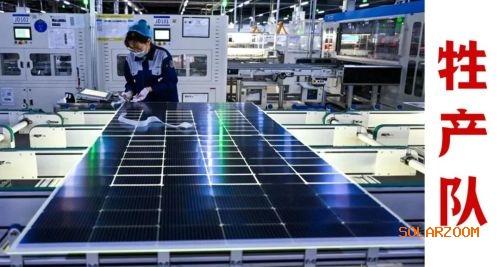
光伏取消出口退税,释放了怎样的信号?
Guan Cha Zhe Wang· 2026-01-13 02:48
Core Viewpoint - The Chinese government is set to eliminate export tax rebates for photovoltaic (PV) components starting April 1, 2026, and reduce the rebate for power batteries from 9% to 6%, with a complete removal by 2027. This shift reflects the strength of China's PV and battery industries, which no longer require such subsidies to compete globally [2][5][9]. Group 1: Export Tax Rebate Changes - The export tax rebate policy was originally designed to encourage exports by refunding value-added tax to exporters, effectively acting as a form of trade subsidy [3]. - The rebate for PV components will be completely removed due to China's dominant market position, with over 60% global market share and some core components exceeding 80% [5][7]. - The power battery export rebate will be reduced and phased out, as China has established a strong competitive advantage in this sector, with only a few global competitors [7][8]. Group 2: Market Dynamics and Implications - The removal of export rebates aims to combat price wars that have led to unsustainable low pricing, which could harm long-term competitiveness and innovation in the PV sector [5][7]. - The government is promoting a shift from price competition to technological innovation, which is essential for maintaining high profit margins and fostering industry growth [7]. - The cancellation of export subsidies is seen as a way to redirect financial resources towards domestic consumption, rather than subsidizing exports, as China's trade surplus has reached unprecedented levels [9][11]. Group 3: Future Investment Focus - The funds saved from eliminating export tax rebates are intended to be reinvested in domestic consumption, such as housing, automotive purchases, and public services [11]. - This strategic pivot indicates a significant shift in China's economic policy, focusing on internal market stimulation rather than solely on export-driven growth [11].