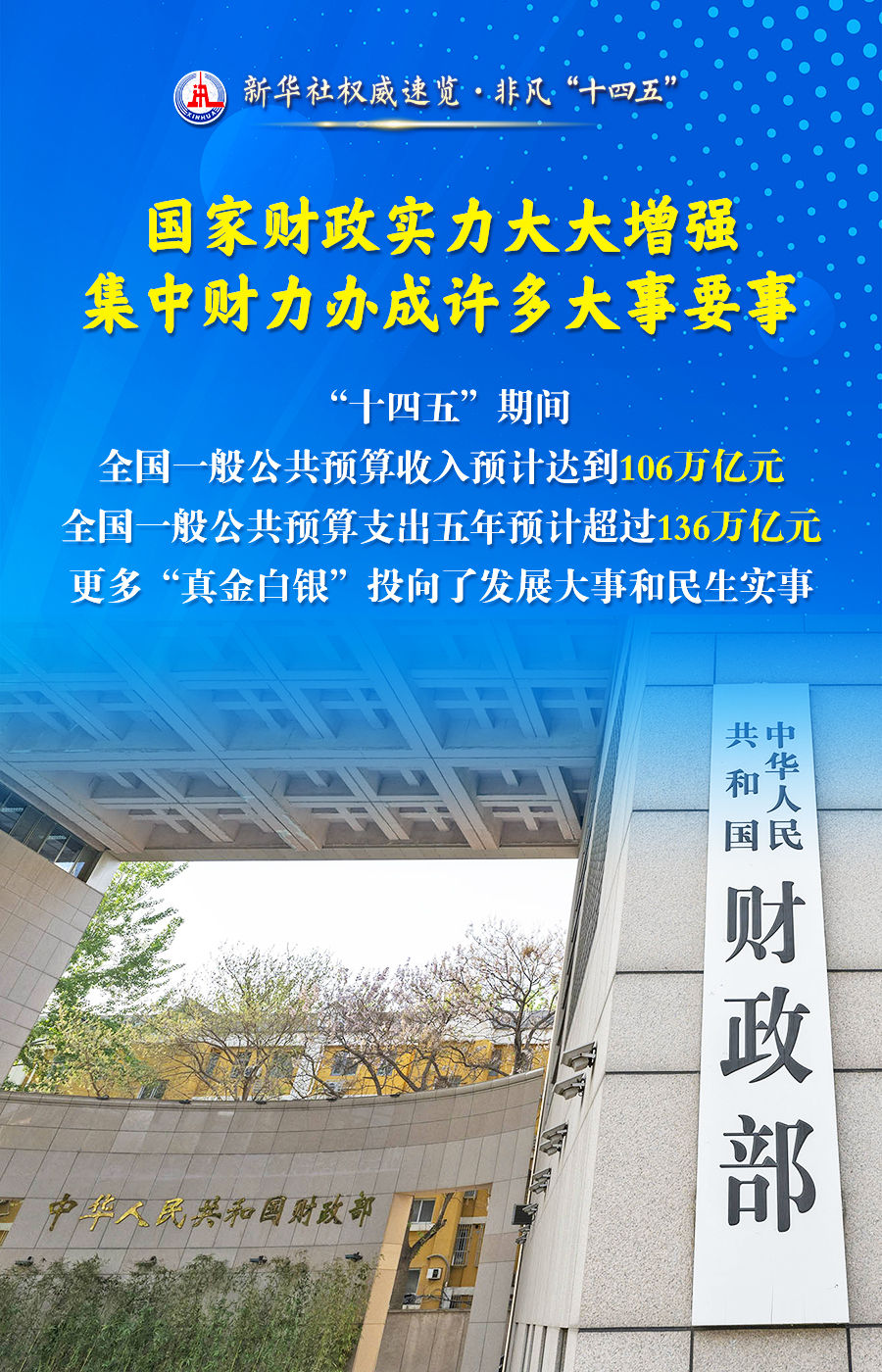
国家财政

Search documents
高市早苗政府,创下一项27年来最差纪录
Huan Qiu Shi Bao· 2025-12-22 14:23
Core Viewpoint - The latest poll conducted by the Japanese government under Prime Minister Suga Yoshihide has recorded the lowest approval ratings since 1998, indicating significant public concern over economic conditions in Japan [1][2]. Group 1: Economic Concerns - 73% of respondents identified "prices" as the area in which Japan is deteriorating, marking a 2% increase from the previous survey and the highest level since the poll's inception in 1998 [1][2]. - 52% of participants believe that "economic conditions" are also worsening, while 41% think that "national finances" are in decline [3]. Group 2: Positive Developments - In terms of areas perceived to be improving, "disaster prevention," "healthcare," and "education" ranked highest, but the approval rates were low at 22%, 20%, and 16% respectively [3].
新华社权威速览·非凡“十四五”丨国家财政:实力持续增强、效能不断提升
Xin Hua She· 2025-09-12 09:14
Group 1 - The core viewpoint emphasizes the continuous enhancement of China's fiscal strength and efficiency during the "14th Five-Year Plan" period, which supports national governance and meets the people's expectations [1] - The fiscal policy has become more proactive and adaptable to economic conditions, contributing to an average economic growth rate of 5.5% over the past four years and maintaining a 30% contribution to global economic growth [4] - The focus on public welfare in fiscal policy is evident, with significant allocations for education (20.5 trillion yuan), social security and employment (19.6 trillion yuan), health (10.6 trillion yuan), and housing (4 trillion yuan), totaling nearly 100 trillion yuan in public welfare spending [6] Group 2 - Effective risk prevention measures are in place to promote high-quality development and safety, including a legal debt management system and substantial transfer payments to local governments, amounting to nearly 50 trillion yuan over five years [8] - Fiscal reforms are advancing to better serve national governance, focusing on optimizing resource allocation, enhancing efficiency, and improving the tax structure [11] - International financial cooperation is deepening, with the Ministry of Finance managing multiple bilateral and multilateral financial dialogue mechanisms and expanding high-level openness, reducing the overall tariff level to 7.3% [13]