财政宏观调控

Search documents
深化零基预算改革 财政资金用在刀刃上
Zhong Guo Zheng Quan Bao· 2025-12-24 20:18
Core Viewpoint - The "deepening zero-based budgeting reform" has been included in the government work report for the first time in 2025, aiming to enhance fiscal macro-control capabilities and sustainability, guide resource optimization, and promote high-quality development [1][2]. Group 1: Reform Objectives - The reform aims to effectively reduce general expenditures and shift the focus of funding from "whether it exists" to "how good it is," thereby enhancing fiscal macro-control capabilities and sustainability [1]. - It is expected to guide resource optimization, directing funds towards technology innovation and green development, which are crucial for high-quality economic growth [1][3]. Group 2: Implementation Strategies - Zero-based budgeting can break the dependency on historical baselines, strengthen strategic coordination, and establish hard performance constraints to support the construction of "two new" and "two heavy" initiatives [2]. - Central and local governments are collaborating to advance the reform, with the Ministry of Finance and the Ministry of Science and Technology introducing zero-based budgeting concepts into budget management [2]. Group 3: Challenges and Recommendations - The implementation of zero-based budgeting faces challenges such as the lack of unified budget frameworks, the need for improved performance evaluation systems, and the necessity for enhanced inter-departmental coordination [3][4]. - Recommendations include establishing a nationwide, dynamically adjusted project reserve system to prioritize funding for urgent and important areas, and developing a unified framework and performance evaluation system at the national level [4].
学习规划建议每日问答 | 如何理解增强财政可持续性
Xin Hua She· 2025-12-18 07:24
Core Viewpoint - The article emphasizes the importance of enhancing fiscal sustainability through proactive fiscal policies and systematic management to support economic and social development over the next five years [1] Group 1: Fiscal Policy and Economic Growth - Strengthening macroeconomic regulation through fiscal policies to ensure market mechanisms are effective and to enhance the vitality of microeconomic entities [2] - The need for a balanced approach in fiscal macro-control to smooth short-term fluctuations and boost long-term development momentum [2] - Expansion of domestic demand and enhancement of technological innovation capabilities as key strategies for increasing fiscal sustainability [2] Group 2: Fiscal Resource Management - Improvement of fiscal resource allocation efficiency through comprehensive management and integration of budgetary resources [3] - Inclusion of all revenues derived from administrative power and state-owned resources into government budget management [3] - Establishment of a fiscal capacity assessment mechanism to ensure that major policies and projects are financially feasible [3] Group 3: Fiscal Expenditure Structure - Optimization of fiscal expenditure structure through zero-based budgeting reforms and a performance-oriented budget allocation mechanism [3] - Emphasis on ensuring essential expenditures while reducing unnecessary spending to enhance fiscal policy effectiveness [3] - Strengthening management of social welfare expenditures and improving the evaluation of fiscal support systems [3] Group 4: Risk Management - Establishment of a comprehensive monitoring and regulatory system for local debt to prevent and mitigate hidden debt risks [4] - Enhancement of the long-term sustainability of pension insurance systems and the safeguarding capabilities of medical insurance funds [4] - Development of a safety supervision system for social security funds to ensure their value preservation and growth [4]
财政部,周末发声!
券商中国· 2025-12-13 08:38
Core Viewpoint - The article emphasizes the importance of the Central Economic Work Conference in guiding fiscal policy and economic strategy for 2026, highlighting the need for the finance department to align with the directives from the central government [1]. Group 1: Fiscal Policy and Economic Strategy - The finance department is tasked with implementing the spirit of the Central Economic Work Conference, focusing on enhancing responsibility and mission in economic and fiscal work [1]. - The conference outlines a commitment to high-quality development, emphasizing the need for a proactive fiscal policy to support domestic demand and optimize supply [2]. - There is a focus on maintaining a balance between development and security, with an emphasis on stabilizing employment, businesses, and market expectations [2]. Group 2: Policy Implementation and Governance - The article discusses the need for effective macroeconomic governance, including maintaining necessary fiscal deficits and managing total debt levels [3]. - It highlights the importance of utilizing government bond funds effectively and issuing long-term special bonds to support key projects [3]. - The finance department is encouraged to improve fiscal management, optimize expenditure structures, and ensure compliance with financial regulations [3]. Group 3: Social Welfare and Support - The article stresses the importance of supporting vulnerable populations and ensuring safety and emergency response measures as the year ends [4]. - There is a call for high standards in preparing the "15th Five-Year" fiscal and accounting plans to ensure comprehensive support for social welfare [4].


蓝佛安:发挥积极财政政策作用
财联社· 2025-12-02 00:13
Core Viewpoint - The article emphasizes the importance of implementing proactive fiscal policies to support China's modernization and economic development goals as outlined in the 20th Central Committee's Fourth Plenary Session [1][3]. Group 1: Implementation of Proactive Fiscal Policies - Since the new era, proactive fiscal policies have been implemented to adapt to changing economic conditions, focusing on targeted support for key areas and weak links to ensure stable economic growth [4]. - The effectiveness of fiscal macro-control has improved, with a focus on stabilizing employment and prices, supporting domestic demand, and ensuring the successful implementation of major national strategies [5]. - The fiscal policy has been characterized by a balance between counter-cyclical and cross-cyclical adjustments, enhancing long-term development potential while maintaining flexibility to respond to shocks [6]. Group 2: Challenges and Tasks in the 14th Five-Year Plan - The 14th Five-Year Plan period is critical for achieving socialist modernization, with complex domestic and international challenges that require effective fiscal responses [8]. - The article outlines the need for the Party's leadership to be integrated into all aspects of fiscal work, ensuring alignment with central government directives [9]. - Emphasis is placed on directing fiscal resources towards improving people's livelihoods and addressing their immediate concerns, thereby enhancing domestic demand [10]. Group 3: Key Measures for Fiscal Policy - The article calls for expanding domestic demand and supporting the construction of a strong domestic market through various fiscal tools, including tax adjustments and social security enhancements [12]. - It highlights the importance of supporting high-level technological self-reliance and innovation, focusing on key technologies and integrating technological advancements with industrial development [13]. - The need to improve and secure livelihoods through employment support, education, and healthcare services is emphasized, alongside the promotion of urban-rural integration and regional development [14]. Group 4: Fiscal Management and Risk Prevention - The article stresses the importance of reforming fiscal management to enhance governance efficiency, including optimizing budget structures and improving tax systems [15]. - It outlines the necessity of preventing and mitigating local government debt risks, advocating for a sustainable approach to fiscal development [16].

财长蓝佛安最新发声
第一财经· 2025-11-15 03:46
Core Viewpoint - The article emphasizes that during the "15th Five-Year Plan" period, China's fiscal policy will maintain an active orientation and sufficient intensity to stabilize the economy and ensure people's livelihoods [3][4]. Group 1: Fiscal Policy Orientation - The Minister of Finance, Lan Fo'an, stated that the "15th Five-Year Plan" will focus on an active fiscal policy, enhancing counter-cyclical and cross-cyclical adjustments, and determining deficit rates and debt scales based on changing circumstances [3][4]. - The core deployment of fiscal work in the "15th Five-Year Plan" is to enhance fiscal sustainability, marking a significant shift from previous plans that focused on tax system reforms [3][4]. Group 2: Economic Environment and Challenges - The article outlines that the development environment is facing profound and complex changes, including external instability and domestic economic pressures, which necessitate effective responses to capture opportunities from crises [4][5]. - The overall economic situation is characterized by a transition from old to new growth drivers, with significant downward pressure on the economy [5]. Group 3: Fiscal Expenditure and Debt Management - Recent years have seen weak fiscal revenue growth due to economic downturns, prompting the government to increase debt levels while maintaining fiscal expenditure intensity [6]. - China's government debt ratio was reported at 68.7% in 2024, which is significantly lower than that of major economies, indicating substantial room for further borrowing [6]. Group 4: Targeted Fiscal Support - The "15th Five-Year Plan" emphasizes precise fiscal efforts, focusing on high-quality development areas such as modern industrial systems, technology, education, social security, agriculture, and environmental protection [6][7]. - The plan calls for optimizing government investment structures to increase the proportion of investments in people's livelihoods and enhance public service spending [6][7]. Group 5: Policy Coordination - Lan Fo'an highlighted the importance of policy coordination, advocating for a systematic approach to design and implement fiscal policies that align with monetary, industrial, and regional policies to promote high-quality development [7].

蓝佛安,最新发声!
券商中国· 2025-11-14 23:38
Core Viewpoint - The article emphasizes the importance of proactive fiscal policy in supporting high-quality development and the construction of Chinese-style modernization, as outlined in the 20th Central Committee's Fourth Plenary Session [1][4]. Group 1: Fiscal Policy Implementation - Since the beginning of the 14th Five-Year Plan, fiscal policy has maintained a proactive stance, with the deficit ratio increasing from 2.7% to 3.8%, and further to 4% this year [2][3]. - The total new local government special bond quota is set at 19.4 trillion yuan, with over 10 trillion yuan allocated for tax reductions and refunds, expanding fiscal policy space [2][3]. - The total public budget expenditure is expected to exceed 136 trillion yuan during the 14th Five-Year Plan, marking a 24% increase compared to the previous five-year period [3]. Group 2: Strategic Focus for the 15th Five-Year Plan - The 15th Five-Year Plan period is crucial for achieving foundational progress in socialist modernization, with a focus on addressing complex domestic and international challenges [4][5]. - Fiscal policy will prioritize effective demand expansion, with a strong emphasis on boosting consumption and effective investment [6][7]. - The government aims to enhance the efficiency of fiscal resource allocation, particularly in key areas such as technology, education, social security, and ecological protection [5][6]. Group 3: Market Development and Economic Structure - The construction of a strong domestic market is identified as a strategic foundation for Chinese-style modernization, with fiscal measures aimed at balancing supply and demand [6][7]. - The government will support consumption through fiscal subsidies and policies that enhance residents' income, while also focusing on effective investment in strategic projects [6][7]. - A unified market will be promoted through improved fiscal and tax systems to eliminate local protectionism and enhance resource allocation efficiency [7]. Group 4: Fiscal Reform and Management - The establishment of a high-level socialist market economy requires a balance between market freedom and effective regulation, with fiscal policy playing a key role [8][9]. - The government will focus on optimizing resource allocation, enhancing fiscal management, and improving the efficiency of public spending [9][10]. - Emphasis will be placed on coordinating development and safety, particularly in managing government debt sustainably [10].
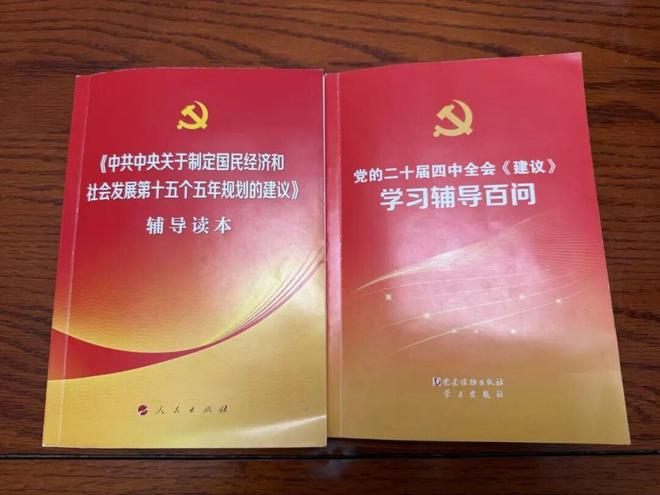
贯彻落实党的二十届四中全会精神权威访谈丨发挥积极财政政策作用 为奋力开创中国式现代化建设新局面提供坚强财政保障——访财政部党组书记、部长蓝佛安
Xin Hua She· 2025-11-14 12:18
Core Viewpoint - The article emphasizes the importance of proactive fiscal policy in supporting China's modernization efforts and high-quality development, as outlined in the 14th Five-Year Plan and the recent 20th Central Committee meeting [1][3]. Fiscal Policy Implementation - Since the beginning of the 14th Five-Year Plan, fiscal policy has maintained a proactive stance, with the deficit ratio increasing from 2.7% to 4% this year, and the issuance of new local government special bonds amounting to 19.4 trillion yuan [2][3]. - The government has implemented over 10 trillion yuan in tax reductions and deferrals, enhancing fiscal policy space [2]. Achievements of the 14th Five-Year Plan - During the 14th Five-Year Plan, total public budget expenditure is expected to exceed 136 trillion yuan, a 24% increase from the previous five-year period, with over 70% of fiscal spending directed towards people's livelihoods [3]. - The fiscal response to risks has strengthened, with nearly 100 trillion yuan allocated for social welfare over five years [3]. Strategic Focus for the 15th Five-Year Plan - The 15th Five-Year Plan is seen as a critical period for achieving socialist modernization, with a focus on enhancing fiscal policy effectiveness in response to complex domestic and international challenges [4][5]. - The government aims to maintain strong fiscal support, ensuring that spending intensity continues to support economic and social development [5]. Key Areas of Fiscal Policy Action - The government will focus on three main areas to strengthen the domestic market: boosting consumption through subsidies and income increases, expanding effective investment in strategic projects, and promoting a unified market through improved fiscal policies [6][7]. - Emphasis will be placed on optimizing resource allocation and enhancing the efficiency of fiscal management, including reforms in budget processes and tax systems [9][10].
财政部:更高效能加强财政宏观调控
Zhong Guo Jing Ji Wang· 2025-11-10 03:17
Core Viewpoint - The report emphasizes a proactive fiscal policy aimed at stabilizing employment, businesses, and market expectations, while enhancing coordination with other policies to support economic recovery [1] Group 1: Fiscal Policy Implementation - The fiscal policy since 2025 has been more proactive, focusing on stabilizing employment, businesses, and market expectations [1] - Fiscal revenue has been recovering, with tax revenue gradually increasing, and necessary expenditures being maintained [1] - The strategy of expanding domestic demand is emphasized, promoting a positive interaction between consumption and investment [1] Group 2: Key Areas of Focus for Future Fiscal Policy - The report outlines six key areas for future fiscal policy, including effectively utilizing proactive fiscal measures and ensuring the safety and efficiency of fund usage [2] - Support for employment and foreign trade is prioritized, with measures to stabilize job positions and assist businesses in maintaining operations [2] - There is a focus on fostering new growth drivers through innovation and supporting the digital transformation of small and medium enterprises [3] Group 3: Social Welfare and Risk Management - The report highlights the importance of improving social welfare, particularly for the elderly and children, through various subsidies and educational initiatives [3] - Continuous efforts are being made to prevent and mitigate risks in key areas, including strict management of local government debt and monitoring of fiscal operations [3] - Enhancements in fiscal governance effectiveness are emphasized, with a focus on fiscal resource management and compliance with fiscal regulations [4]
蓝佛安详解“十五五”积极财政政策
2 1 Shi Ji Jing Ji Bao Dao· 2025-11-04 15:02
Group 1 - The core viewpoint of the article emphasizes the importance of proactive fiscal policy during the "15th Five-Year Plan" period, focusing on enhancing public welfare and effective market-government interaction [1][6][7] - The article outlines key measures for fiscal policy, including expanding domestic demand, supporting technological self-reliance, and ensuring high-quality development while improving people's livelihoods [1][6][11] - The establishment of the Debt Management Division within the Ministry of Finance marks a shift towards systematic governance of government debt, integrating various debt management functions for better oversight [2][12][15] Group 2 - The article discusses the need for a balanced approach to fiscal policy, highlighting the challenges of maintaining fiscal sustainability amid rising expenditure demands and slowing revenue growth [7][9][11] - It emphasizes the importance of preventing and resolving local government debt risks, advocating for a long-term regulatory framework to manage government debt effectively [11][13][14] - The article suggests that the future trend of government debt will involve an increase in statutory debt while reducing hidden debt, with a focus on comprehensive debt management [15]
蓝佛安详解“十五五”积极财政政策
21世纪经济报道· 2025-11-04 14:39
Core Viewpoint - The article emphasizes the importance of proactive fiscal policy during the "15th Five-Year Plan" period, focusing on enhancing public welfare and ensuring sustainable fiscal development [1][4][6]. Group 1: Fiscal Policy and Economic Development - The fiscal policy should prioritize people's livelihoods and direct more resources towards public services [1][4]. - There is a need to balance effective market mechanisms with proactive government interventions to foster a high-quality socialist market economy [4][6]. - The government aims to expand domestic demand and support the construction of a robust domestic market [1][4]. Group 2: Debt Management and Risk Prevention - The establishment of the Debt Management Department signifies a shift towards systematic governance of government debt, integrating various debt management functions [2][10]. - The government is committed to preventing and resolving local government debt risks, emphasizing the importance of not increasing hidden debts [9][11]. - A long-term mechanism for government debt management is being developed to align with high-quality development goals [8][11]. Group 3: Fiscal Sustainability - The article highlights the need for fiscal sustainability amidst rising expenditure demands and constrained revenue growth [6][7]. - It is essential to enhance the sustainability of fiscal revenue and expenditure through comprehensive measures and improved fiscal governance [6][7]. - The focus is on optimizing the structure of government debt and ensuring effective monitoring and regulation of both explicit and implicit debts [11][13].