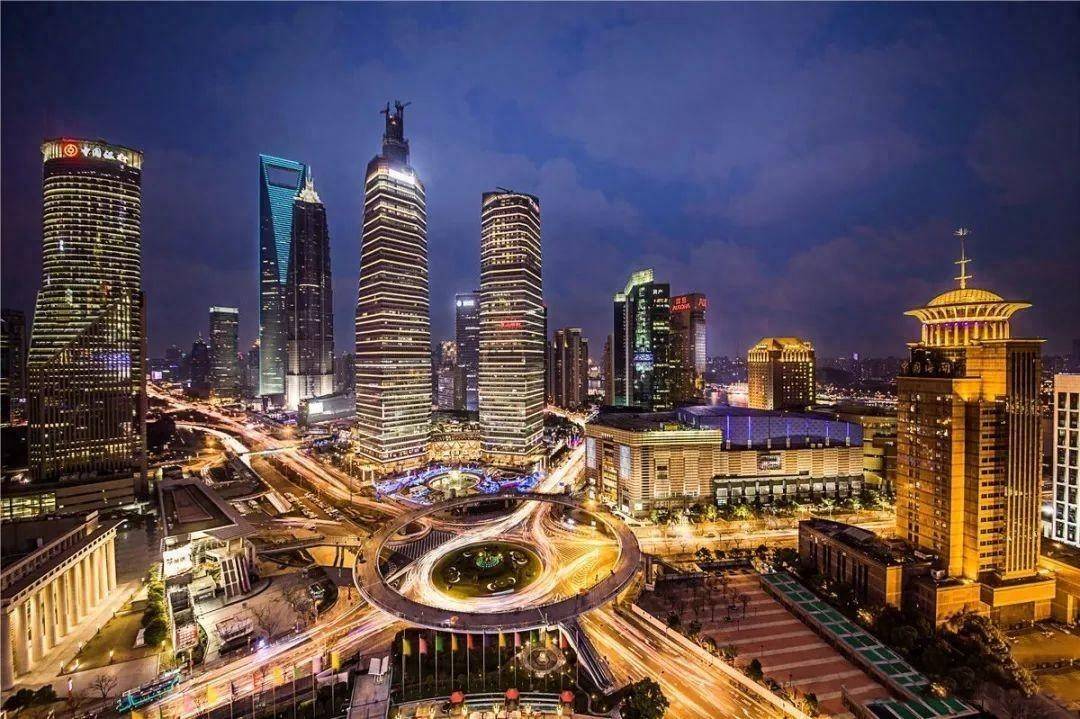
国际大都市

Search documents
中国真正的国际大都市只有这8座,其他城市不要再争了,差距太大
Sou Hu Cai Jing· 2025-12-13 08:23
Core Viewpoint - The article discusses the status of Chinese cities as international metropolises, emphasizing the importance of data from authoritative sources to assess their global competitiveness and influence [1][3]. Group 1: Global City Rankings - The 2024 Kearney Global Cities Index ranks Beijing, Shanghai, and Hong Kong in the top ten globally, while Hangzhou and Chengdu are in the top fifty, indicating a strong presence of Chinese cities in international rankings [3][5]. - The GaWC classification identifies six Alpha-level cities in China, including Hong Kong, Beijing, Shanghai, Shenzhen, Guangzhou, and Taipei, but highlights that none are in the top tier (Alpha++) alongside cities like London and New York [5][8]. Group 2: Financial and Comprehensive Strength - The 2024 Global Financial Centers Index ranks Shanghai fifth globally, marking a historical high, but still trails behind London, New York, Singapore, and Dubai, indicating a gap in financial competitiveness [7][8]. - The 2025 GYBrand report lists 14 Chinese cities in the top 100 most valuable cities, with only a few like Shanghai, Beijing, and Hong Kong ranking prominently, suggesting a disparity in comprehensive strength among cities [7][8]. Group 3: Identifying International Metropolises - The article identifies eight cities as true international metropolises: Beijing, Shanghai, Hong Kong, Shenzhen, Hangzhou, Chengdu, Wuhan, and Suzhou, based on their global recognition and influence [8][10]. - The first tier includes Beijing, Shanghai, Hong Kong, and Shenzhen, which consistently rank high in various international assessments, while the second tier comprises cities like Hangzhou and Chengdu, which show significant upward momentum [8][9]. Group 4: Reasons for Disparities - Four key reasons for the disparities in international status among Chinese cities are identified: the concentration of international enterprises, the ability to attract global talent, the status as international transportation hubs, and the level of political influence [11][12]. - The article emphasizes that becoming an international metropolis requires long-term strategic development rather than short-term efforts, highlighting the need for substantial international engagement and recognition [12][13].

中国国际级的大都市只有这7个,别的城市不要争了,水平差距太大
Sou Hu Cai Jing· 2025-08-11 08:23
Core Viewpoint - Only 7 cities in China qualify as international metropolises, which collectively account for nearly 40% of the national GDP, highlighting the stringent criteria for global city status [1][3][22] Economic Performance - China's total GDP reached 126 trillion RMB in 2024, with urbanization exceeding 65% [1] - The combined GDP of the 7 cities is 26 trillion RMB, representing 20.6% of the national economy [13] - Beijing's GDP was 4.3 trillion RMB in 2023, while Shanghai's reached 4.72 trillion RMB, making it the highest in the country [9][11] Criteria for International Metropolises - The evaluation criteria include political influence, economic competitiveness, cultural soft power, technological innovation, and transportation hub status [3][5] - A city must serve as a global resource allocation center, an international communication center, and a world cultural exchange center to qualify [5] Comparison with Other Cities - The 7 cities have significantly higher per capita GDP, with Beijing exceeding 190,000 RMB and Shanghai over 180,000 RMB, compared to the national average of 89,000 RMB [13][15] - Shanghai hosts nearly 400 regional headquarters of Fortune 500 companies, while Beijing has over 350, showcasing a stark contrast with other cities like Hangzhou, which has only 45 [13][15] Future Prospects - Cities like Hangzhou and Chengdu are seen as potential candidates for future inclusion as international metropolises due to their economic growth and international connectivity [17][19] - The competition for becoming an international metropolis will increasingly focus on comprehensive strength, including digital transformation and cultural soft power [19][20]