国际格局调整

Search documents
中国还是那个中国,但西方已然变了
Xin Lang Cai Jing· 2026-02-02 15:56
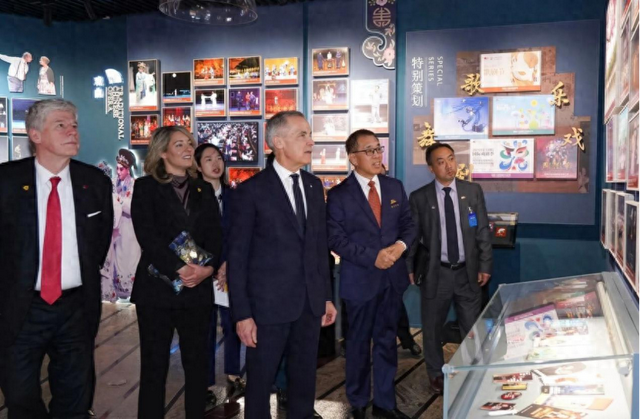
Core Viewpoint - The recent diplomatic visits by Western leaders to China signify a shift in international relations, emphasizing a "look east" approach amidst a complex global environment, while China's consistent diplomatic policy remains unchanged [1][3]. Group 1: China's Diplomatic Consistency - China's diplomatic approach is characterized by stability, predictability, and a commitment to principles such as non-aggression, peaceful conflict resolution, and mutual development [3][5]. - The cultural foundation of China, rooted in values like "harmony" and "diversity," contributes to its reliable international reputation, offering a sense of certainty in a turbulent world [3][5]. Group 2: Global Shifts in Perception - Western countries are undergoing a profound "re-cognition" and "re-selection," reassessing their security perspectives and recognizing the complexities of modern threats, which includes reevaluating the value of cooperation with China [5][6]. - The costs and uncertainties associated with "decoupling" and trade protectionism are prompting nations to reconsider their economic strategies, favoring sustainable cooperation over unilateral approaches [5][6]. Group 3: Strategic Autonomy - The visits from leaders of four countries within the "Five Eyes" alliance indicate a desire for diplomatic balance and strategic flexibility, moving away from unilateral dependencies [5][6]. - Countries are increasingly seeking to maintain their independence and national interests through diversified diplomatic engagements, reflecting a shift in traditional alliances [5][6]. Group 4: China's Response Strategy - China's response to the evolving global landscape is to maintain its core principles while promoting dialogue, mutual respect, and expanding common interests [6][8]. - Internally, China aims to deepen reforms and pursue high-quality development as a foundation for navigating the changing international environment [6][8]. Group 5: International Narrative - The interplay between global changes and China's stability reflects a significant adjustment in the international landscape, with China's consistent development and coherent foreign policy offering stable options for cooperation [8][9]. - The ability of countries to objectively and comprehensively understand China will be crucial in shaping their future choices and the broader international narrative [8][9].

德国欲从美撤回黄金!全球第二大储备黄金拥有国为何不相信美国了?
Sou Hu Cai Jing· 2026-01-26 05:55
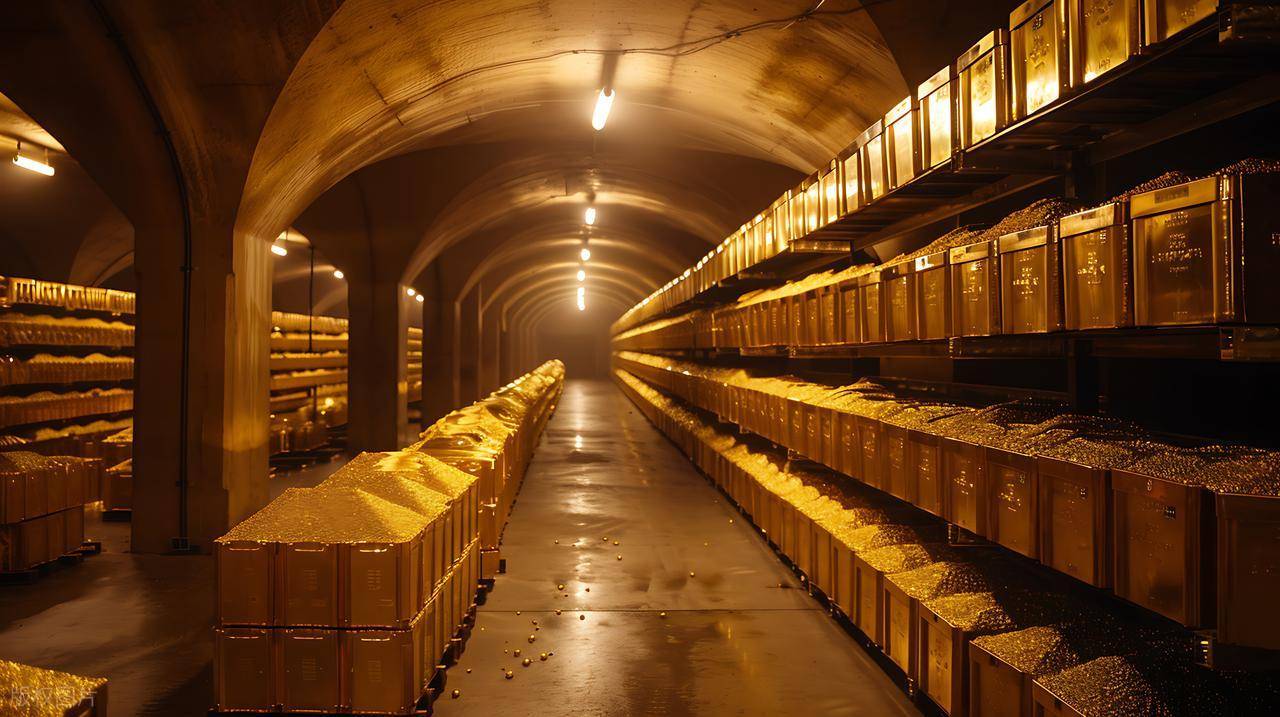
这一主张在德国国内引发广泛共鸣,德国前央行研究部门负责人指出,地缘政治动荡时期将巨额黄金存放美国存在潜在风险,减少对美依赖需从战略物资储 备开始调整。 德国绿党发言人亦持类似立场,认为特朗普执政时期的美国已与往昔不同,储备黄金绝不能沦为政治博弈的筹码,为规避"黄金被扣押"风险,本土存储才是 最稳妥方案。 作为全球第二大黄金储备国,德国的黄金储备总量达3350吨,仅次于美国,且遥遥领先身后的法国、意大利、俄罗斯等储金大国。 3350吨储备黄金里,有1236吨存放在纽约联邦储备银行金库,占其总储备的37%;另有13%存放于伦敦,剩余约半数由法兰克福本国金库保管。 这1236吨黄金价值近2000亿欧元,若按国别排序可位列全球第七,正是如此庞大的体量,令德国部分官员对存放在海外的储备黄金安全性深感忧虑。 随着国际金价持续攀升,各国央行加速增持黄金储备的态势愈发显著。 然而,黄金购入后的存放问题却鲜为人知,不同于大众想象中"必须存于本国"的认知,大量黄金储备实际被托管在纽约、伦敦、巴黎等国际金融中心的银行 金库中。美国纽约联邦储备银行更是全球最大的黄金托管地,但这种格局正悄然生变。 德国的一位议员近期公开呼吁政府将存放 ...