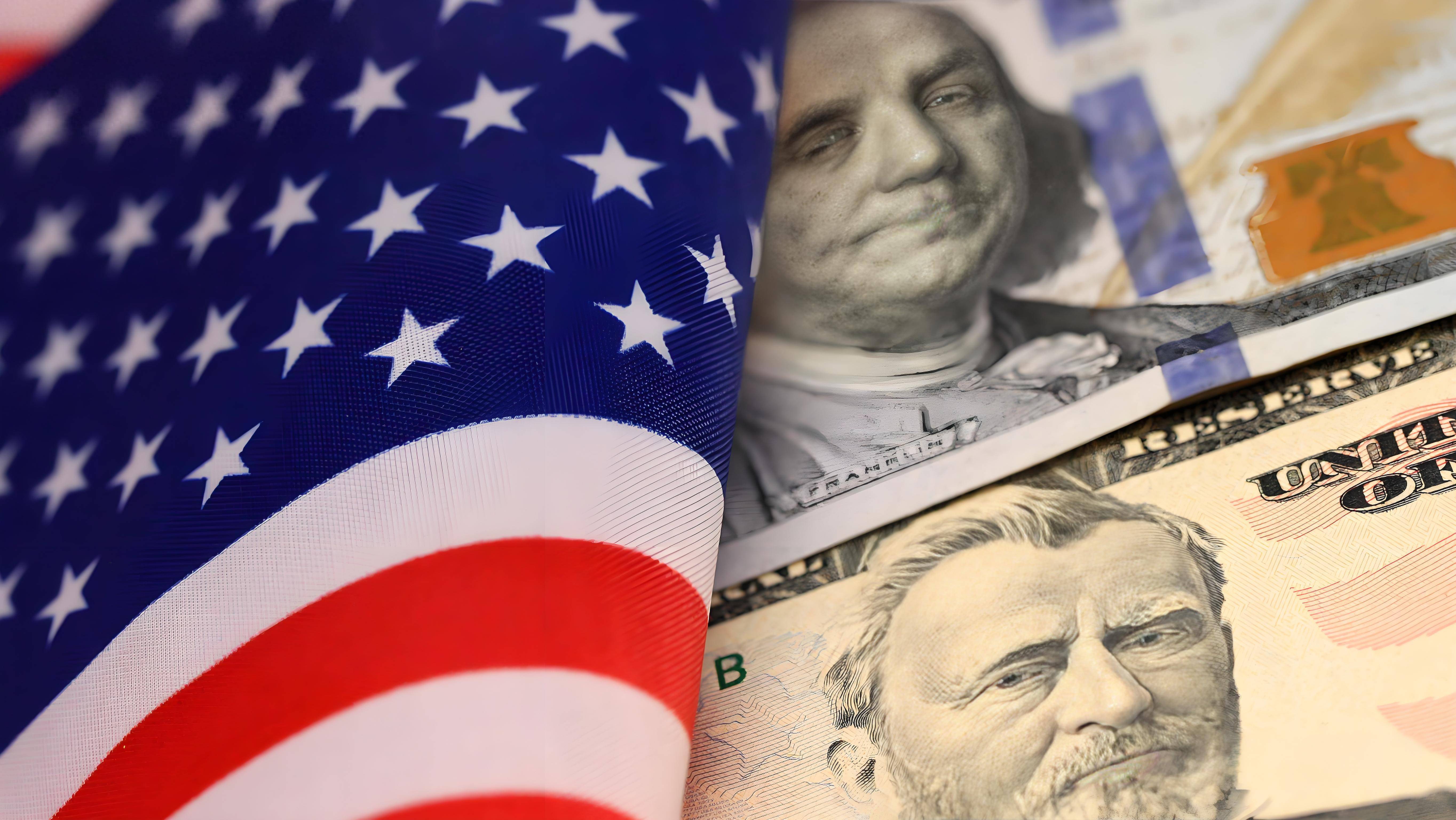
国际货币体系多极化和多元化

Search documents
推翻一切困难,中俄伊三国联手亮剑,西方彻底没招了,美元危险了
Sou Hu Cai Jing· 2025-10-08 11:02
Group 1 - The core viewpoint is that the U.S. and the Western world are losing influence due to their long-standing hegemonic practices, particularly through dollar and technology dominance, leading to increased sanctions against other countries [1] - Countries like China, Iran, and Russia are innovatively using barter trade to circumvent U.S. sanctions, exchanging goods directly without involving the dollar or euro [4][10] - The rise of barter trade is a strategic response to the weaponization of the dollar and the global financial system by the U.S., which has caused many nations to feel insecure about their dollar reserves [7] Group 2 - The trend towards de-dollarization is driven by concerns over the safety of dollar assets, especially in light of unilateral U.S. sanctions that can freeze or confiscate foreign reserves [7] - U.S. economic policies, such as interest rate changes and quantitative easing, have global repercussions, leading to inflation and capital outflows in other economies, further highlighting the risks of reliance on a single currency [7][9] - The "America First" policy under the Trump administration has eroded trust in the U.S., prompting countries to seek alternatives to the dollar [9] Group 3 - The current trend indicates that while the dollar's dominance remains strong in the short term, the international monetary system is moving towards a multipolar and diversified structure, with currencies like the euro and yuan gaining importance in their respective regions [9] - The micro-level phenomenon of barter trade between China, Iran, and Russia reflects a broader shift in the global power dynamics, as countries seek to enhance their economic security and strategic autonomy [10]