国际贸易失衡

Search documents
野村全球宏观经济展望:预计2026年全球经济将强劲增长
Xin Lang Cai Jing· 2025-12-18 09:43
主要经济体宏观经济展望 我们对2026年的预测反映了全球经济正在适应2025年实施的政策转变。我们预计,主要经济体中将会出 现几个关键主题,并存在一些潜在风险。 我们预计美国经济将继续保持韧性,在发达市场中保持增长领先地位,实际GDP增长2.4%。我们认 为,美国劳动力供应压力的缓解以及AI主导的商业投资加速将为经济提供支撑。劳动力市场状况将改 善,在经历三年小幅上升后,失业率到年底将降至4.0%。尽管我们预计2025年由关税引发的通胀压力 会有所缓解,但核心服务通胀将令美联储保持谨慎。在全新更偏鸽派的领导层管理下,我们预计美联储 将在2026年6月和9月各降息一次。 12月18日金融一线消息,野村发布全球宏观经济展望称,预计人工智能驱动的投资热潮以及更具支持性 的货币与财政政策将在2026年持续推动全球经济强劲增长。 全球经济在2025年的增长超出我们的预期,我们预计这一强劲势头将在2026年延续。全球经济,尤其是 美国经济,在面对关税、政策不确定性和政治分化时展现出了韧性。虽然全球合作有所减少,并且大多 数国家财政政策发力空间依然紧张,但人工智能引领的投资热潮以及更具支持性的货币与财政政策,为 2026年 ...
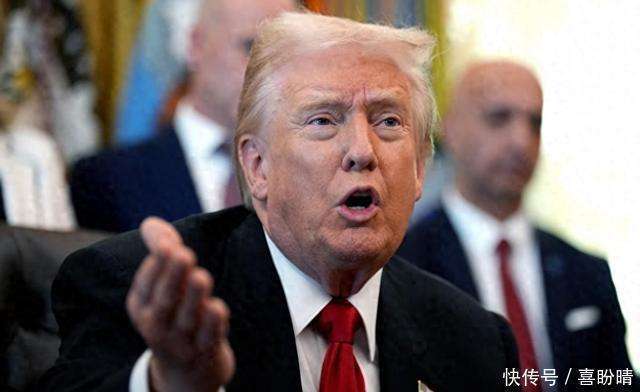
特朗普心急如焚,关税战不但没打赢中,美国可能要倒赔2万亿
Sou Hu Cai Jing· 2025-11-23 06:07
Core Viewpoint - The U.S. Supreme Court is reviewing the legality of Trump's tariff policy, which could have significant implications for the U.S. economy and government liabilities, potentially amounting to $2 trillion in damages [1][5][20]. Group 1: Legal Proceedings - The Supreme Court hearing on November 5 is a critical test of presidential authority regarding tariff imposition without congressional approval [3][19]. - The government's defense emphasizes the necessity of tariffs to address national security threats from international trade imbalances [3][19]. - Judges have raised concerns about the potential overreach of presidential power and whether Congress has exclusive authority over tariff imposition [4][20]. Group 2: Economic Impact - Trump's tariff policy, initiated in 2018, involved imposing a 25% tariff on $34 billion worth of Chinese goods, which later expanded to over $300 billion [8]. - The tariffs have led to increased production costs for U.S. companies, with manufacturing product prices rising by an average of 4.2% from 2019 to 2022 [11]. - The tariffs have contributed to inflation, with an estimated annual additional cost of $831 for the average American household [11]. Group 3: Domestic and International Reactions - Domestic backlash against the tariffs is growing, with 68% of surveyed manufacturers believing tariffs harm competitiveness, leading to delayed or canceled investment plans [17]. - Internationally, the tariffs have prompted retaliatory measures from allies, with the EU imposing sanctions on $28 billion worth of U.S. goods [15]. - The World Trade Organization has ruled against the U.S. tariffs, indicating violations of international trade rules [15]. Group 4: Future Implications - The Supreme Court's decision could restrict presidential power and require the U.S. government to refund approximately $80 billion in tariffs collected since 2018 [20]. - The potential for collective lawsuits from domestic and international entities could exacerbate the U.S. fiscal deficit, with estimates of damages reaching $2 trillion [20]. - The outcome of this legal battle will significantly influence future U.S. trade policy and the global economic order [20].