
图像传感器堆叠技术

Search documents
图像传感器的未来方向
半导体芯闻· 2025-09-15 09:59
Core Viewpoint - The article discusses the advancements in image sensor technology, highlighting the complexity of manufacturing processes and the innovations that have emerged to meet market demands. Group 1: Technological Advancements - The development of image sensors has involved a series of process improvements to enhance performance, yield, and cost, including the use of new materials to reduce crosstalk and improve optical performance [2][3] - Stacking technology has evolved from front-illuminated single-metal CCDs to multi-metal CMOS, improving optical response and enabling additional functionalities [5][6] - The trend in interconnect spacing has stabilized after 2020, with TSMC being competitive at a spacing of 1.4µm, while the optimal size for smartphone image sensors appears to be 50 million pixels with a pixel pitch of 0.5µm to 0.7µm [9] Group 2: Innovations in Pixel Design - The unique design of photodiodes with deep trench isolation reduces light loss and prevents crosstalk between pixels, with etching depths ranging from 10:1 to 40:1 [17] - The shift in pixel development has moved from merely shrinking pixel sizes to adding more functionalities, with improved capacitors being key to enhancing dynamic range and global shutter capabilities [18] - The emergence of small pixel pitch interconnect technology allows SPAD sensors to achieve 100% fill factor by placing pixel circuits behind the photodiode [20] Group 3: Market Applications and Future Prospects - Enhanced image sensor processes have enabled non-photographic imaging applications, such as eye-tracking in augmented reality devices, utilizing near-infrared technologies [25] - Innovations in short-wave infrared imaging are necessary for commercial applications, with challenges related to manufacturability and environmental concerns [26] - The continuous technological development in image sensors indicates a shift from a single dominant product to a broader range of opportunities, with the cost per pixel reaching remarkably low levels [26]

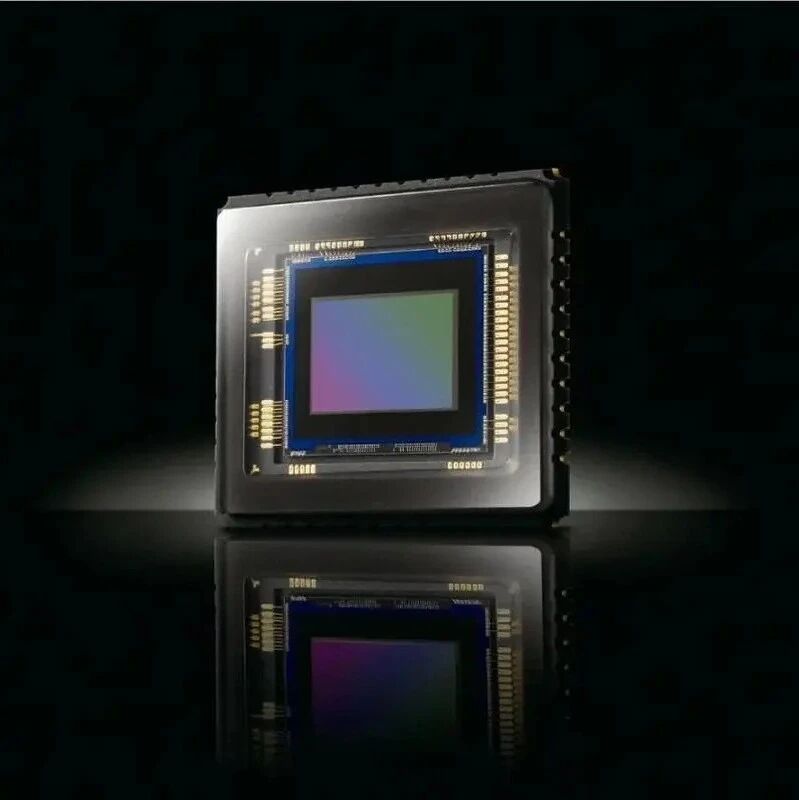
CIS,怎么走?
半导体行业观察· 2025-09-12 01:14
Core Insights - The development of image sensors has evolved over the past fifty years, focusing on increasing complexity in manufacturing processes to meet performance, yield, and cost requirements [1][3][5] - Stacking technology has enabled advancements from front-illuminated CCDs to back-illuminated CMOS, enhancing optical response and functionality [5][8] - The trend in interconnect spacing has stabilized post-2020, with TSMC being competitive at 1.4µm spacing, while optimal smartphone image sensor specifications are around 50 million pixels with a pixel pitch of 0.5µm to 0.7µm [10][12] - Innovations in pixel design, such as deep trench isolation and advanced capacitor types, are crucial for enhancing dynamic range and global shutter capabilities [17][20] - The emergence of short-wave infrared (SWIR) imaging requires innovative solutions due to silicon's limitations, highlighting the ongoing need for technological advancements in the industry [26] Group 1 - The trajectory of pixel development has shifted from merely reducing pixel size to adding more functionalities [17] - The use of novel materials and structures, such as AlO/ZrO layers, is essential for improving optical response and reducing dark signal generation [13][16] - The integration of multi-layer stacking with pixel-level interconnects presents opportunities for further advancements in image sensor technology [26] Group 2 - Enhanced image sensor processes have enabled non-photographic imaging applications, such as eye-tracking in augmented reality devices [25] - The first multi-spectral smartphone camera utilizes a 3x3 color filter array, demonstrating innovation in color correction without traditional filters [25] - The industry is no longer limited to a single dominant product, indicating a broad potential for development and innovation in image sensor technology [26]
