地下空间高质量开发

Search documents
中国唯一“没有机场”的省会,正在疯狂建地铁
Qian Zhan Wang· 2025-08-14 01:46
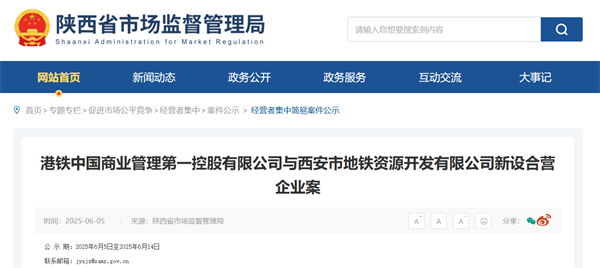
Core Insights - Xi'an is a unique city in China's urban transportation landscape, often referred to as the "provincial capital without a civil airport," and is developing its metro system as a vital artery for modern growth [1] - The total length of Xi'an's metro has increased from 158 kilometers in 2019 to over 400 kilometers by 2024, making it the tenth largest metro system in China [2] - The collaboration between Xi'an Metro and Hong Kong MTR has raised questions about the strategic intentions behind this partnership, especially given the broader challenges facing China's metro industry [2] Industry Overview - The Chinese metro industry is currently facing a "high investment, low return" dilemma, with 26 out of 28 metro companies reporting losses after subsidies in their 2024 financial reports [2][4] - Xi'an Metro reported revenues of 3.362 billion yuan in 2024 but incurred a net loss of 526 million yuan, indicating a shift from profit to loss compared to the previous year [4][11] - The operational costs of metro systems are significantly high, with construction costs averaging 700-800 million yuan per kilometer, and operational costs driven primarily by labor and energy expenses [5][7] Financial Performance - The financial performance of major cities' metro systems shows that most are heavily reliant on government subsidies to remain operational, with Xi'an's losses expected to exceed 2.8 billion yuan without financial support [11][12] - The revenue structure of metro companies is primarily based on ticket sales, which are limited by low pricing policies, and commercial operations, which are still in their infancy [8][11] Strategic Initiatives - The partnership with Hong Kong MTR is seen as a critical attempt for Xi'an Metro to explore market-driven revenue generation mechanisms [12][20] - Hong Kong MTR's successful business model, which integrates property development with metro operations, serves as a potential blueprint for Xi'an to enhance its commercial viability [13][16] - Xi'an Metro has the opportunity to leverage its rich cultural heritage and high passenger flow to develop unique commercial offerings that align with local characteristics [21][23] Market Potential - The current commercial landscape around Xi'an Metro stations is underdeveloped, with limited coverage and a lack of diverse offerings, indicating significant untapped potential [22][24] - Recommendations for enhancing commercial development include creating a tiered commercial system that caters to different passenger demographics and optimizing the use of underground space [22][24] - The integration of cultural elements into commercial offerings could differentiate Xi'an Metro from other systems and enhance its appeal to both locals and tourists [23][24] Conclusion - The transition from a reliance on government subsidies to a self-sustaining operational model is crucial for Xi'an Metro's future success, necessitating innovative strategies that combine transportation and commercial development [24][26] - The evolution of Xi'an's metro system reflects broader trends in urban development in China, emphasizing the importance of integrating transportation planning with economic and social needs [26]