地铁商业转型

Search documents
广州地铁“开窍”!站内卖菜卖咖啡,实则在抢生活消费的关键入口
Sou Hu Cai Jing· 2026-01-17 05:16
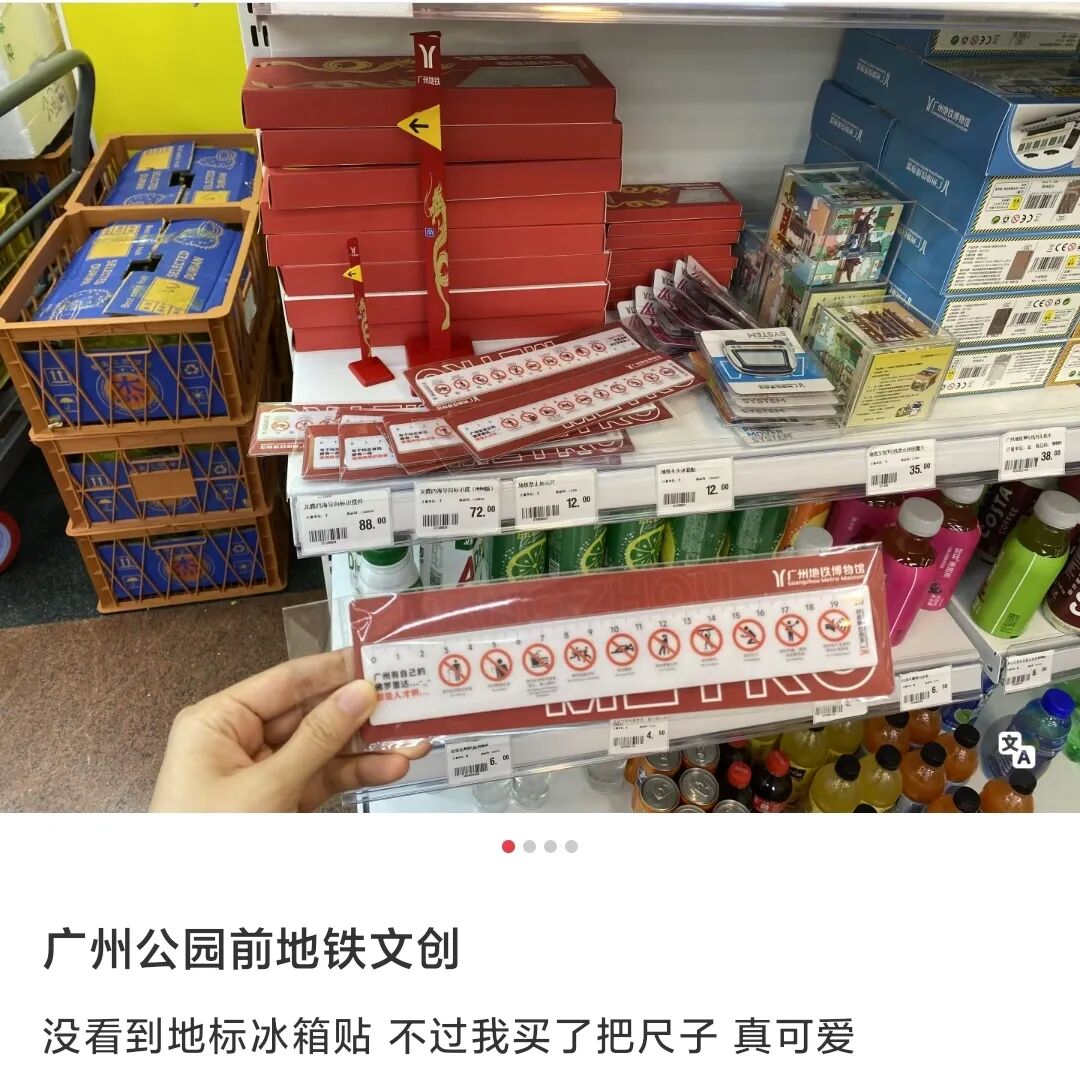
Core Insights - The transformation of subway stations into mini shopping malls reflects a significant shift in urban transit operations, enhancing the commuting experience for millions of workers [1][3] Group 1: Industry Trends - There is a nationwide trend of subway commercial transformation, with offerings ranging from breakfast carts to fresh markets and specialty product counters [1][3] - The State Council's 2020 directive encourages comprehensive development around suburban railways, promoting commercial development at stations to recover investment costs [4] - The upcoming implementation of the Urban Public Transport Regulations in December 2024 supports market-oriented operations and encourages private capital participation in public transport infrastructure [6] Group 2: Financial Context - The average construction cost of subways in China is between 500 million to 1 billion yuan per kilometer, with complex geological conditions leading to even higher costs [8] - Only Shanghai and Fuzhou among 28 urban subway companies reported profitability after excluding government subsidies, highlighting the need for non-fare revenue sources [8] Group 3: Local Initiatives - Guangzhou Metro's initiative "Metro Youxuan" launched in September 2025, features unique commercial offerings and local agricultural products, aligning with local consumer needs [10][12] - Wuhan Metro has partnered with a supermarket to create the city's first affordable underground market, enhancing convenience for commuters [14] - Chengdu Metro has developed a unique commercial model in collaboration with Hong Kong's MTR, creating a vibrant shopping environment in subway stations [16][18] Group 4: Consumer Behavior - The rise of subway commerce aligns with the changing consumption habits of younger consumers, who prefer convenient, one-stop shopping solutions [19]

从卖早餐到卖榴梿 ,地铁站快被爆改成商场B1层了
36氪· 2026-01-06 13:36
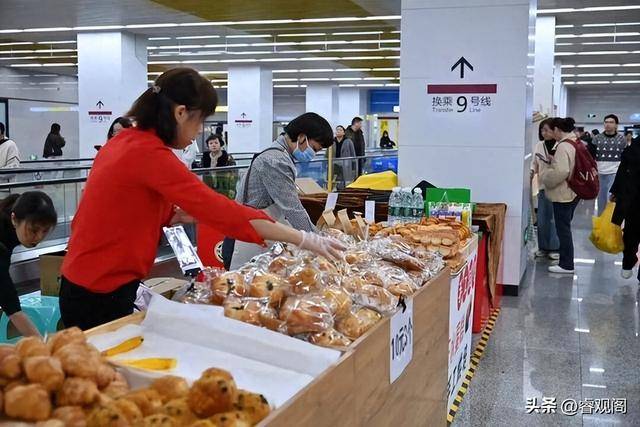
Core Viewpoint - The article discusses the transformation of Guangzhou's subway stations into mini shopping centers, providing a variety of consumer options that cater to the daily needs of commuters, thus enhancing the overall commuting experience [4][5][6]. Group 1: Changes in Guangzhou Subway Stations - Guangzhou subway has introduced self-operated supermarkets, "Metro Youxuan," at various stations since September 2025, offering fresh produce and ready-to-eat meals, which reflects a shift towards meeting commuter needs [7][10]. - The presence of diverse shops, including coffee outlets and convenience stores, has turned subway stations into vibrant commercial hubs, allowing commuters to shop conveniently during their daily travels [12][14]. - The integration of local agricultural products into subway retail, as part of the "Hundred Million Thousand Project," has led to the sale of over 250 types of specialty agricultural products from various regions [9][18]. Group 2: Broader Trends in Subway Commercialization - The trend of subway stations evolving into commercial spaces is not unique to Guangzhou; cities like Wuhan and Chengdu are also developing their subway systems to include fresh markets and diverse retail options [14][15]. - The commercialization of subway stations is seen as a necessary evolution to support the high operational costs of subway systems, which average between 500 million to 1 billion yuan per kilometer for construction [16][17]. - As consumer habits shift towards convenience, subway stations are adapting by offering quick shopping options, making it easier for commuters to fulfill their daily needs without extra effort [17][18].
从卖早餐到卖榴梿 ,地铁站快被爆改成商场B1层了
3 6 Ke· 2026-01-05 09:28
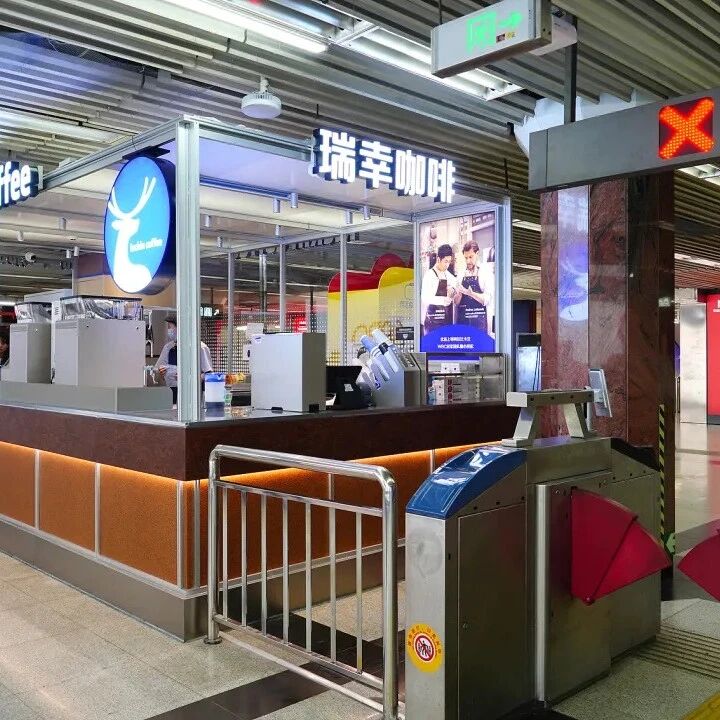
Group 1 - Guangzhou Metro has introduced self-operated supermarkets, "Metro Youxuan," in various stations, enhancing the shopping experience for commuters [2][10] - The new stores offer a variety of fresh produce, snacks, and beverages, catering to the needs of busy workers and transforming metro stations into mini shopping centers [6][9] - The initiative is part of a broader trend across Chinese cities, where metro systems are evolving to include diverse commercial offerings, such as fresh markets and convenience stores [10][12] Group 2 - The integration of commercial spaces within metro stations is seen as a response to the high operational costs of metro systems, which require alternative revenue streams beyond ticket sales [12][13] - Cities like Wuhan and Chengdu are also developing their metro commercial spaces, with Wuhan planning to create a metro market and Chengdu introducing various retail brands [10][11] - The shift towards incorporating retail in metro stations aligns with changing consumer habits, where convenience and efficiency are prioritized by commuters [13][14]