非票务收入

Search documents
广州地铁“开窍”!站内卖菜卖咖啡,实则在抢生活消费的关键入口
Sou Hu Cai Jing· 2026-01-17 05:16
Core Insights - The transformation of subway stations into mini shopping malls reflects a significant shift in urban transit operations, enhancing the commuting experience for millions of workers [1][3] Group 1: Industry Trends - There is a nationwide trend of subway commercial transformation, with offerings ranging from breakfast carts to fresh markets and specialty product counters [1][3] - The State Council's 2020 directive encourages comprehensive development around suburban railways, promoting commercial development at stations to recover investment costs [4] - The upcoming implementation of the Urban Public Transport Regulations in December 2024 supports market-oriented operations and encourages private capital participation in public transport infrastructure [6] Group 2: Financial Context - The average construction cost of subways in China is between 500 million to 1 billion yuan per kilometer, with complex geological conditions leading to even higher costs [8] - Only Shanghai and Fuzhou among 28 urban subway companies reported profitability after excluding government subsidies, highlighting the need for non-fare revenue sources [8] Group 3: Local Initiatives - Guangzhou Metro's initiative "Metro Youxuan" launched in September 2025, features unique commercial offerings and local agricultural products, aligning with local consumer needs [10][12] - Wuhan Metro has partnered with a supermarket to create the city's first affordable underground market, enhancing convenience for commuters [14] - Chengdu Metro has developed a unique commercial model in collaboration with Hong Kong's MTR, creating a vibrant shopping environment in subway stations [16][18] Group 4: Consumer Behavior - The rise of subway commerce aligns with the changing consumption habits of younger consumers, who prefer convenient, one-stop shopping solutions [19]


春秋航空:抠门真能致富?
3 6 Ke· 2025-07-04 00:13
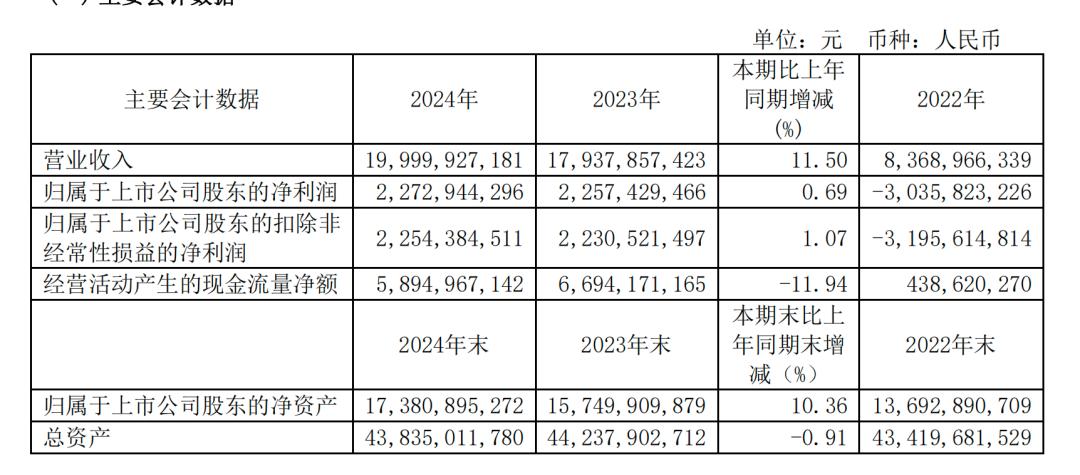
Core Viewpoint - Spring Airlines has emerged as the most profitable airline in 2024, achieving a net profit of 2.28 billion yuan, while major competitors like Air China, China Eastern Airlines, and China Southern Airlines are facing significant losses despite revenue growth [1][2]. Financial Performance - Spring Airlines reported a net profit of 2.28 billion yuan in 2024, a slight increase of 0.69% from 2023 [2]. - The airline's operating revenue reached approximately 20 billion yuan, reflecting an 11.5% increase compared to the previous year [2]. - In contrast, Air China, China Eastern Airlines, and China Southern Airlines reported net losses of 237 million yuan, 4.23 billion yuan, and 1.7 billion yuan respectively in 2024 [1]. Customer Experience and Pricing Strategy - Spring Airlines maintains a high seat occupancy rate of 92.16%, which is significantly higher than its competitors [7]. - The airline employs a pricing strategy that includes various fare classes, with the lowest fare class offering limited services, while higher fare classes provide additional benefits such as free baggage [3][5]. - Despite complaints about its service model, Spring Airlines has a high repurchase rate, indicating customer acceptance of its low-cost model [7][8]. Operational Efficiency - Spring Airlines operates a fleet of 129 Airbus A320 series aircraft, with an average age of 7.5 years, allowing for cost-effective maintenance and operations [9][10]. - The airline's unit sales expenses are significantly lower than industry averages, contributing to its profitability [11]. - Spring Airlines maximizes aircraft utilization by scheduling flights during off-peak hours, thereby reducing fixed costs [10]. Market Trends - The overall airline industry is experiencing a decline in ticket prices, with domestic economy class fares averaging 787 yuan, down 17% year-on-year [15]. - The competitive landscape is influenced by the rise of high-speed rail and changing consumer behaviors post-pandemic, leading airlines to offer discounted fares to attract customers [12][15]. - Spring Airlines has successfully capitalized on this trend by offering ultra-low fares and ancillary services, which accounted for 18% of its revenue in 2024 [18].