
城市基础设施生命线安全工程

Search documents
为城市生命线安装智能“大脑”
Xin Lang Cai Jing· 2026-01-17 22:51
Core Viewpoint - The article emphasizes the importance of transforming urban development methods and enhancing urban resilience through integrated management and innovative infrastructure solutions [1][5]. Group 1: Urban Infrastructure and Management - The city of Xuzhou has developed a comprehensive urban operation management platform that integrates various data sources to monitor and manage urban flooding and drainage effectively [2][4]. - During heavy rainfall, the platform successfully monitored flooding alerts 34 times and identified road water accumulation over 3,400 instances, aiding emergency decision-making [2]. - The city plans to complete the upgrade of smart monitoring terminals for streetlights by the end of 2025, incorporating 1,600 water immersion sensors for real-time flood detection and automatic power shut-off [3]. Group 2: Emergency Response and Safety - The platform has implemented a dual alarm system for streetlight monitoring, which detects both electrical anomalies and water ingress, enhancing safety measures [3]. - In response to a road subsidence incident, the city quickly mobilized relevant departments to investigate and repair the issue, demonstrating effective emergency management [3]. - The gas system in Xuzhou utilizes IoT technology for remote monitoring, allowing for rapid response to gas leaks, significantly reducing the time to address potential hazards [4]. Group 3: Data-Driven Decision Making - The urban operation management platform employs data quantification to analyze urban safety and operational conditions, producing monthly reports for better governance [4][6]. - The integration of the "Lifeline Project" and the operation management service platform creates a closed-loop mechanism for risk monitoring, early warning, and response, enhancing urban governance efficiency [6]. - This innovative approach addresses common challenges faced by industrial cities in transition, such as fragmented governance and high safety risks, reflecting a deep integration of technology and institutional innovation [6].
推进城市生命线工程现场会在徐州召开
Xin Hua Ri Bao· 2025-12-19 19:59
Core Viewpoint - The Ministry of Housing and Urban-Rural Development emphasizes the importance of enhancing the quality and efficiency of the Lifeline Project for urban infrastructure safety during the upcoming year and the 14th Five-Year Plan period [1] Group 1: Strategic Focus Areas - The focus will be on consolidating previous achievements while improving the construction quality and effectiveness of the Lifeline Project to ensure high-level safety for urban development [1] - A coordinated approach will be adopted, leveraging the roles of "one committee, one office, and one platform" to integrate the Lifeline Project with urban renewal and new infrastructure initiatives [1] Group 2: Implementation Measures - Comprehensive risk assessments of infrastructure will be conducted, with the deployment of IoT sensing devices and the optimization of regulatory platform functions to gradually expand monitoring coverage [1] - The project aims to effectively identify risks and hazards, quickly respond to warning events, and establish a closed-loop system for incident management, promoting source governance [1] Group 3: Resource Allocation - There will be an emphasis on strengthening resource input, ensuring stable funding for construction and operation, driving efficiency upgrades through technological innovation, and enhancing talent development to support the Lifeline Project [1]
【铜川】扎实推进城市地下管网建设改造工作
Shan Xi Ri Bao· 2025-11-25 22:51
Core Viewpoint - The city of Tongchuan has conducted a comprehensive survey of its underground pipeline network and is actively improving urban infrastructure to address issues such as urban flooding, sewage discharge, and pipeline leakage [1] Group 1: Infrastructure Development - Tongchuan has completed a survey of its urban underground pipeline network using radar detection technology [1] - The city has established a total of 1,200 kilometers of gas pipelines, 576 kilometers of drainage pipelines, 476.6 kilometers of water supply pipelines, 85 kilometers of heating pipelines, and 42.3 kilometers of comprehensive utility corridors [1] Group 2: Policy Implementation - Based on the collected data, Tongchuan has introduced a series of policy documents for the renovation and upgrading of aging gas, water, drainage, and heating pipelines [1] - During the 14th Five-Year Plan period, the total scale of the renovation of old gas pipelines in Tongchuan is set to reach 652.8 kilometers, with 430.3 kilometers already completed [1] Group 3: Future Plans - The city plans to focus on monitoring older pipelines that frequently encounter issues based on the initial survey [1] - Tongchuan aims to continue updating and renovating its underground pipeline network in line with national policy support, enhancing urban safety and resilience [1]
城市更新里的科技范儿
Ren Min Ri Bao· 2025-08-04 03:08
Group 1: Urban Renewal and Historical Building Protection - The article discusses the integration of urban renewal with the protection of historical buildings, emphasizing the need to excavate valuable urban space while improving the functionality of old structures [2][5] - Innovative technologies, such as the "step-by-step walking" displacement technology, have been developed to safely relocate historical buildings without damage, allowing for urban development and preservation to coexist [5][6] - The successful relocation of the 90-year-old Huayanli building in Shanghai demonstrates the effectiveness of these technologies, which enhance safety, efficiency, and reduce costs compared to traditional methods [5][6] Group 2: Technological Applications in Historical Preservation - The use of 3D scanning and drone photography in the preservation of the Barkhor Ancient City in Lhasa exemplifies how technology can provide precise data for the restoration of ancient buildings while maintaining their traditional appearance [7][9] - The integration of modern amenities, such as cafes and bookstores, into the ancient city reflects a balance between preserving cultural heritage and enhancing the living environment for residents and visitors [9] Group 3: Urban Safety and Infrastructure - The article highlights the implementation of safety measures in urban infrastructure, such as the installation of gas leak alarms in commercial establishments, which automatically shut off gas valves and alert owners in case of leaks [10][11] - The establishment of a comprehensive monitoring network for urban infrastructure safety in Hefei aims to address safety risks associated with rapid urban development and population growth [11] - The Hefei Public Safety Research Institute is focused on enhancing urban resilience through advanced monitoring and early warning systems, utilizing new technologies like artificial intelligence [11]

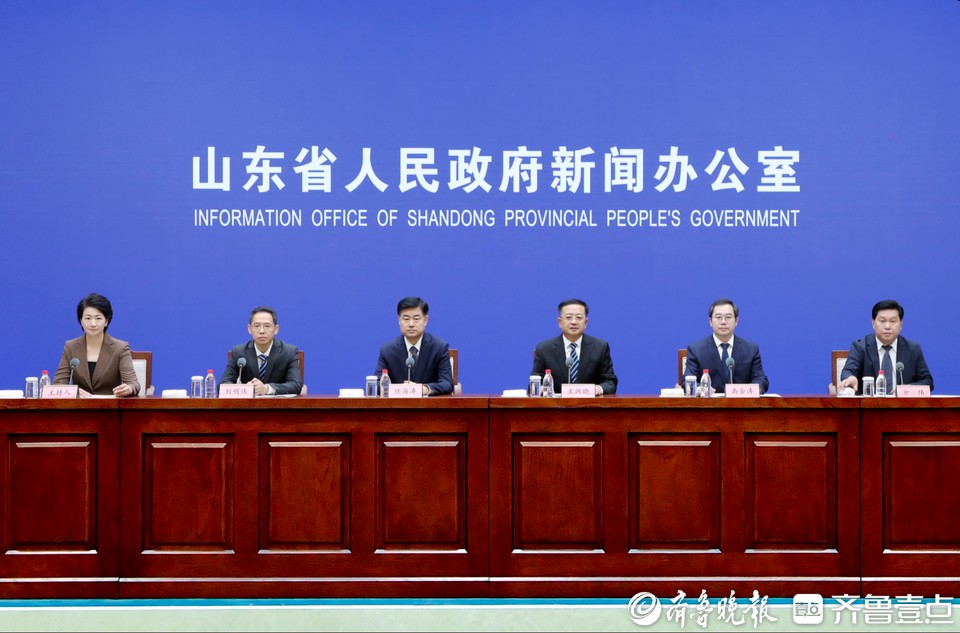
最新进展,山东8个试点市城市生命线工程已基本覆盖重点领域
Qi Lu Wan Bao· 2025-08-01 09:48
Core Viewpoint - Shandong Province is advancing the construction of urban infrastructure safety projects to enhance urban resilience, with significant government support and a focus on integrating technology for better monitoring and management [1][3][5]. Group 1: Policy Implementation - The Shandong government has issued the "Implementation Opinions on Promoting Urban Infrastructure Lifeline Safety Projects," which outlines a step-by-step approach to construction based on urgency and feasibility [5]. - A total of 114 urban underground pipeline projects have received 8.208 billion yuan in special long-term bond funding since 2025, ranking third nationally [3][6]. - The construction plans include specific areas such as gas, heating, water supply, drainage, and bridges, with clear annual goals and risk management strategies [5][6]. Group 2: Technological Integration - The province is establishing a comprehensive urban lifeline safety monitoring platform that integrates data from various sectors to enhance safety oversight [6]. - Over 210,000 IoT sensing devices have been installed across cities to improve real-time monitoring capabilities [3][6]. - The government aims to break down data barriers between enterprises and regulatory platforms to facilitate real-time data sharing and enhance safety management [6]. Group 3: Pilot Projects and Outcomes - Eight pilot cities, including Jinan and Qingdao, are leading the initiative, effectively covering key areas such as gas, drainage, and bridges [6]. - The pilot projects have successfully integrated urban management data resources, connecting extensive pipeline information and IoT data for better oversight [6]. - The focus is on transitioning to a proactive safety governance model, enhancing the resilience of urban infrastructure [6].
中央城市工作会议:加快老旧管线改造升级 严格限制超高层建筑
news flash· 2025-07-15 04:12
Core Points - The Central Urban Work Conference was held in Beijing, emphasizing the construction of safe and resilient cities [1] - The meeting proposed advancing the safety engineering of urban infrastructure lifelines and accelerating the renovation and upgrading of old pipelines [1] - There is a strict limitation on the construction of super-tall buildings to enhance housing safety guarantees [1] - The conference highlighted the need to strengthen natural disaster prevention in cities, coordinating flood prevention systems and urban waterlogging management [1] - It also called for enhanced overall social security prevention to effectively maintain urban public safety [1]
中办、国办:加强城市基础设施建设改造 推进新型城市基础设施建设
news flash· 2025-05-15 09:19
Core Viewpoint - The document outlines the Chinese government's initiative to strengthen urban infrastructure construction and renovation, emphasizing the need for comprehensive risk assessment and the development of new urban infrastructure models [1] Group 1: Urban Infrastructure Development - The government aims to enhance urban infrastructure by conducting thorough risk assessments of existing facilities [1] - There is a focus on the integrated development and utilization of underground space, including the construction and renovation of underground pipelines and comprehensive utility tunnels [1] - The initiative includes upgrading urban water supply facilities and improving the collection, treatment, and recycling of urban wastewater [1] Group 2: Flood Control and Emergency Response - The plan emphasizes the need for a robust urban flood control and drainage system, including the establishment of a coordinated management model for urban water systems and surrounding water bodies [1] - It aims to accelerate the construction and renovation of drainage and flood prevention facilities to enhance emergency response capabilities [1] Group 3: Waste Management and Fire Safety - The government is pushing for the upgrade of municipal solid waste treatment facilities and the enhancement of public fire safety infrastructure [1] - There is a call for proactive construction of disaster prevention projects to ensure urban safety [1] Group 4: Transportation Infrastructure - The initiative includes improving urban transportation infrastructure by developing rapid transit lines, community transport systems, and green transportation options [1] - It also focuses on optimizing urban freight network planning and establishing a tiered distribution facility system [1] Group 5: Technological Integration - The plan promotes the application of Building Information Modeling (BIM) technology in urban infrastructure projects [1] - It includes the implementation of safety engineering for urban infrastructure lifelines [1]