城市IP体系

Search documents
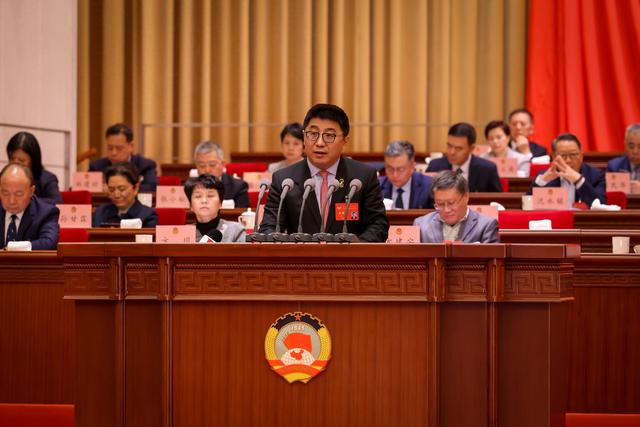
黄震委员:充分发挥民营龙头企业带动作用,助力推动文旅商体展融合发展
Guan Cha Zhe Wang· 2026-02-04 12:42
Core Viewpoint - The integration of culture, tourism, commerce, and exhibitions is crucial for enhancing consumer capacity, showcasing the city's image, improving citizen happiness, and meeting cultural needs, but Shanghai still lags behind global cities like New York, London, and Paris in terms of industry scale and influence [3][5] Group 1: Industry Development - The development of cultural tourism and commercial exhibitions is identified as a key driver for economic growth and consumer engagement, with successful events demonstrating significant market potential [3] - Shanghai's cultural tourism and commercial exhibition industry faces challenges such as underutilization of top-tier intellectual property (IP) and insufficient release of leading enterprises' potential [3][5] - Recommendations include creating a more influential city IP system through collaboration between state-owned and private enterprises, and establishing a city IP incubation fund to support the development of local IP with global impact [5][6] Group 2: Private Enterprise Engagement - There is a call to expand the development space for private enterprises, encouraging them to participate in building world-class consumer destinations and integrating with traditional brands [5] - Private enterprises are urged to engage with major international events to leverage their influence and convert short-term activities into long-term economic benefits [5][6] - The establishment of alliances among leading enterprises in various sectors is suggested to enhance collaboration and create a comprehensive service model that includes all aspects of consumer experience [5][6] Group 3: Policy and Resource Integration - The implementation of differentiated regulatory measures for various types of events is recommended to streamline management and encourage innovation in emerging sectors [6] - Suggestions include providing financial incentives for private enterprises hosting significant events and increasing the supply of venue facilities to support large-scale activities [6] - The integration of private capital in the renovation and operation of public venues is encouraged to revitalize underutilized spaces and enhance the overall cultural and tourism landscape [6][7]