基因解码

Search documents
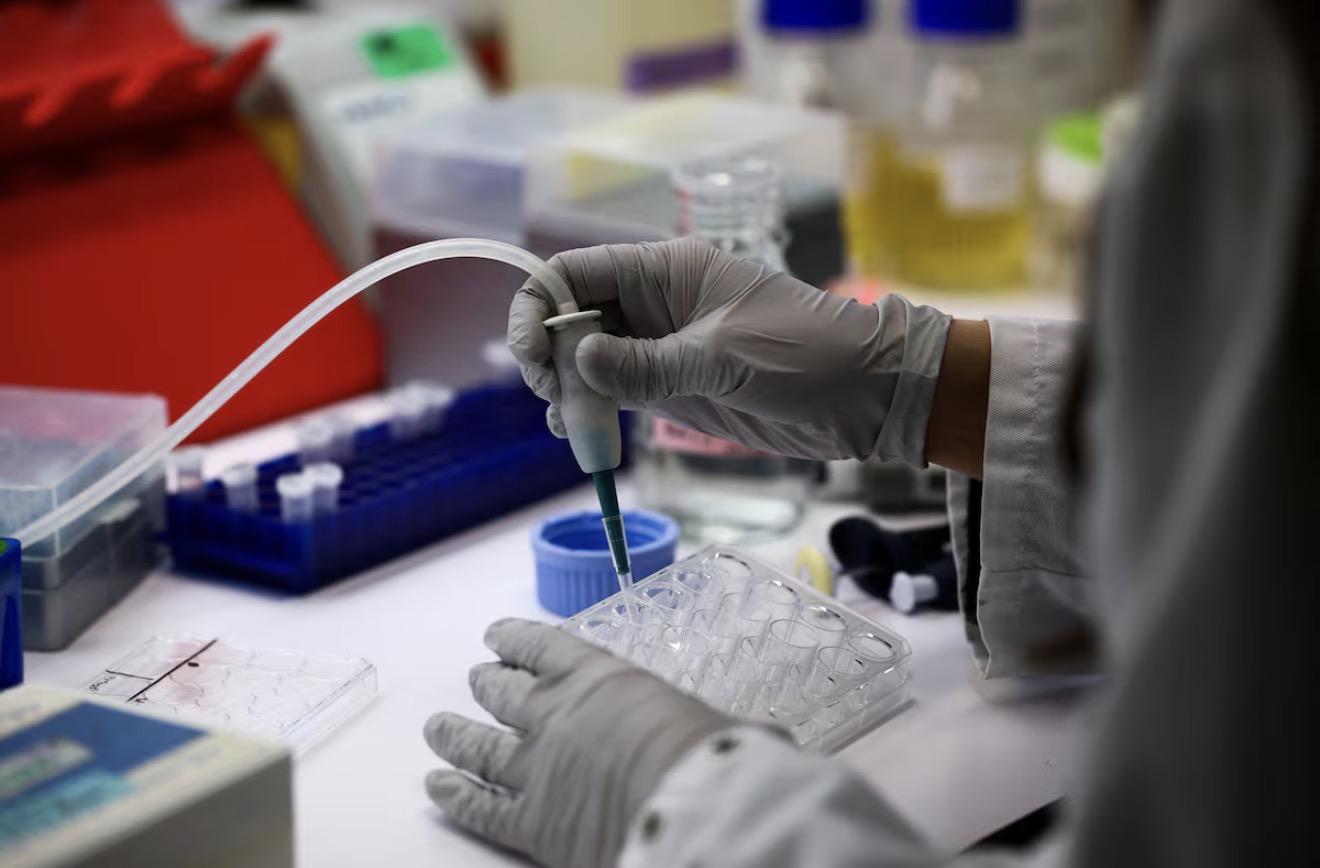
未来十年,AI将治愈所有疾病?谷歌基因解码模型准确率已达90%
第一财经· 2026-01-29 12:25
Core Insights - DeepMind's AlphaGenome can decode 98% of human genetic "dark matter" with an accuracy of 90% [3][5] - The model predicts 11 different gene regulatory processes and analyzes complex gene splicing mechanisms [5] - AlphaGenome processes over 1 million API calls daily, with over 3,000 users across 160 countries [5] Industry Implications - AI's role in drug development is expected to enhance efficiency significantly, with McKinsey predicting a 35% to 45% increase in clinical development efficiency over the next five years [6] - Major pharmaceutical companies like Eli Lilly, AstraZeneca, Novartis, and Pfizer are investing heavily in AI for drug discovery [6] - Analysts suggest that while AI applications in pharmaceuticals are widespread, it may take one to three years for investors to see returns from accelerated drug development [6] Future Outlook - DeepMind's CEO predicts that AI will be able to cure all diseases within the next decade [5] - The latest version of AlphaFold has accurately predicted 98.5% of human protein structures, indicating a significant advancement in biological research [6] - Clinical trials for AI-designed drugs are anticipated to begin soon, marking a new phase in pharmaceutical innovation [6]



谷歌基因解码模型准确率已达90%!未来十年,AI将治愈所有疾病?
Di Yi Cai Jing· 2026-01-29 09:39
Core Insights - DeepMind's AlphaGenome aims to address the challenges in drug development by decoding human genes, potentially completing the "last piece of the puzzle" in discovering new molecules for significant medical advancements [1][3] Group 1: AI in Gene Research - AlphaGenome can decode 98% of genetic "dark matter" with an accuracy of 90%, allowing for comprehensive predictions of 11 different gene regulatory processes [1][3] - The tool analyzes complex gene splicing mechanisms and identifies how single genes can produce multiple proteins, which is crucial for understanding disease [3] Group 2: Industry Impact and Adoption - Over 1 million API calls are processed daily by AlphaGenome, with more than 3,000 users across 160 countries, indicating its growing adoption in tackling complex biological challenges [3] - Major pharmaceutical companies like Eli Lilly, AstraZeneca, Novartis, Pfizer, Amgen, and GSK are investing heavily in AI for drug discovery to enhance the success rates of new drug development [5] Group 3: Future Predictions and Clinical Trials - DeepMind's CEO predicts that AI will be able to cure all diseases within the next decade, highlighting the transformative potential of AI in healthcare [1][3] - Clinical trials for AI-designed drugs are set to begin, as stated by the CEO at the recent Davos Forum, indicating a shift towards practical applications of AI in drug development [4] Group 4: Efficiency and Market Expectations - McKinsey predicts that autonomous AI could improve clinical development efficiency by 35% to 45% over the next five years without human intervention [6] - Analysts from TD Cowen suggest that while AI is already prevalent in the pharmaceutical industry, it may take one to three years for investors to see returns from AI in accelerating drug development [6]
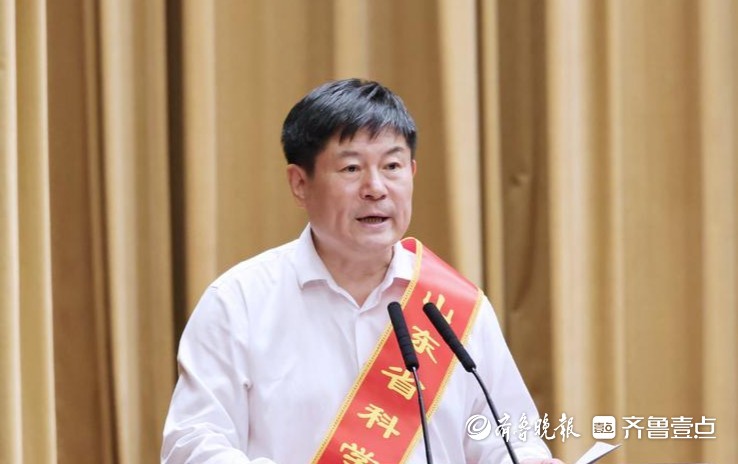
破茧成蝶抗麻路——记山东省科学技术最高奖获得者张福仁
Qi Lu Wan Bao· 2025-06-27 15:50
Core Insights - The article highlights the significant contributions of Zhang Furun, a skin disease prevention expert, in transforming China from a recipient of leprosy technology to a technology-exporting nation, aiming to eliminate the harm caused by leprosy [1][7]. Group 1: Scientific Breakthroughs - Zhang Furun's team made a groundbreaking discovery in 2009 by identifying the risk gene for leprosy, which revealed a dual mechanism of "bacterial infection + immune genetic defects" [3][4]. - The team developed a risk prediction model that can accurately identify 1% of high-risk individuals using just a drop of blood, challenging the traditional World Health Organization approach of treating entire communities when one case is detected [4]. Group 2: Health System Innovations - A comprehensive prevention and treatment system was established in Shandong, consisting of 189 medical institutions, which allows for rapid response to new infections and significantly reduces the need for patients to travel long distances for treatment [6]. - The implementation of symptom monitoring and genetic screening has led to a drastic reduction in new leprosy cases and eliminated the death rate from adverse drug reactions [6]. Group 3: Global Impact and Knowledge Sharing - Since 2017, Zhang Furun's team has been involved in international projects, providing technical support in countries with high leprosy prevalence, such as India and Indonesia, and establishing precise prevention systems [7]. - The team has trained 67 participants from developing countries, enabling them to apply Chinese technology in their home countries [7].