增肌

Search documents
你开始有“肌”生活了吗
Xin Lang Cai Jing· 2026-01-16 23:10
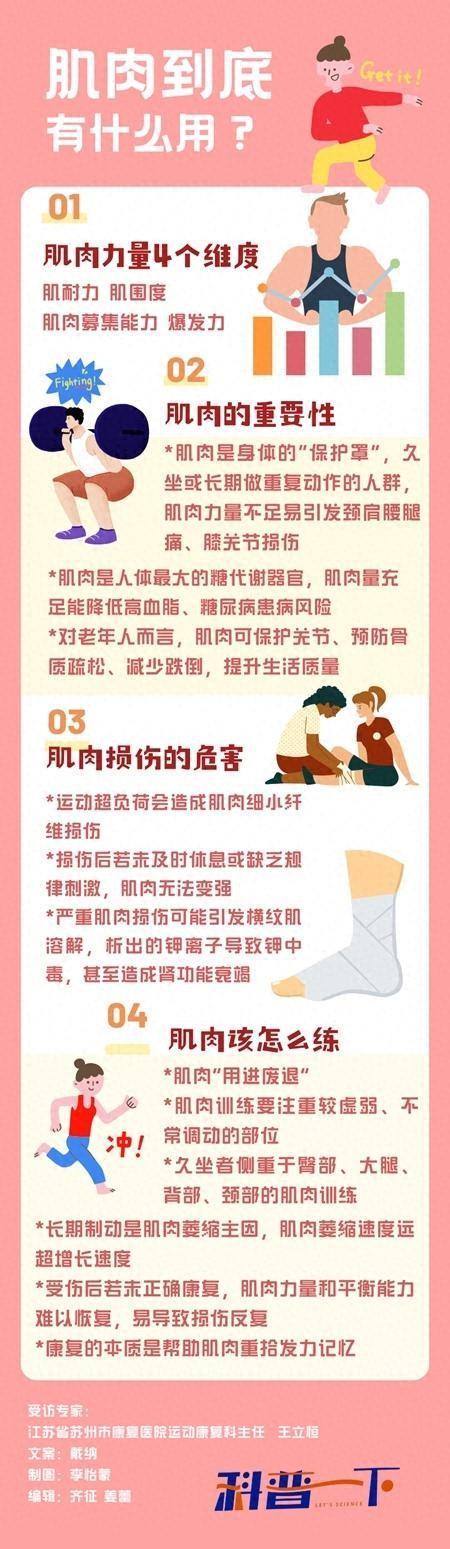
Core Insights - Muscle plays a crucial role in protecting the body, especially for individuals with sedentary lifestyles or repetitive motion jobs, as insufficient muscle strength can lead to pain and injuries [3][6] - Muscle is the largest organ for glucose metabolism in the body, and having adequate muscle mass can reduce the risk of hyperlipidemia and diabetes [3][12] - Muscle training is essential for all age groups, not just a niche activity, and can significantly improve quality of life, especially for the elderly [5][11] Muscle Importance - Muscle acts as a protective shield for the body, preventing pain and injuries associated with sedentary behavior [3][6] - Adequate muscle mass is linked to lower risks of metabolic diseases such as diabetes and high cholesterol [3][12] - For the elderly, muscle helps protect joints, prevent osteoporosis, and reduce the risk of falls, thereby enhancing life quality [3][12] Muscle Damage Risks - Overexertion in exercise can lead to micro-tears in muscle fibers, which, if not properly managed, can result in severe muscle damage and complications like rhabdomyolysis [7][8] - Muscle injuries can lead to significant health issues, including kidney failure due to potassium toxicity from muscle breakdown [8][10] Muscle Training Guidelines - Muscle strength is categorized into four dimensions: endurance, hypertrophy, recruitment ability, and explosive power, each requiring different training methods [6][11] - Regular training is necessary to maintain muscle health, especially for those with sedentary lifestyles or those who over-exercise [9][10] Rehabilitation and Recovery - Muscle atrophy can occur rapidly after immobilization, particularly in elderly patients, highlighting the need for timely rehabilitation [10][12] - Effective rehabilitation involves tailored exercise prescriptions based on individual habits, injury history, and fitness levels [8][10] Aging and Muscle Health - Older adults are at a higher risk of falls due to muscle weakness, with falls being a leading cause of injury-related deaths in this demographic [12] - Muscle loss can exacerbate osteoporosis, creating a vicious cycle of decreased mobility and further muscle loss [12]

以为会变胖,实际很减肥!这5个习惯,你中了几个?
Yang Shi Xin Wen· 2025-05-18 02:15
Group 1 - The core idea emphasizes the importance of post-exercise nutrition for weight loss and muscle gain, highlighting that a high-protein diet after exercise can lead to a BMI reduction of 0.6 points, equivalent to approximately 3.5 pounds for a 1.7-meter tall adult [2] - Consuming carbohydrates post-exercise helps replenish glycogen stores and prevents muscle breakdown, while protein stimulates muscle protein synthesis, aiding in recovery and growth [4] - A combination of carbohydrates and protein optimizes recovery, significantly increasing glycogen synthesis efficiency [4] Group 2 - Sufficient carbohydrate intake generally does not lead to excessive fat production, with studies indicating that only 1% to 2% of excess carbohydrates are converted to fat [5] - Carbohydrates help stabilize appetite and prevent cravings, as they stimulate insulin secretion, which regulates appetite [6] - Adequate carbohydrate consumption promotes the secretion of FGF21, a hormone that aids in energy expenditure and fat reduction [8] Group 3 - Eating fruit before meals can help control calorie intake, with studies showing that consuming an apple before a meal can reduce caloric intake by approximately 187 kcal [9] - Eating fruit before meals can lower post-meal blood sugar responses, with research indicating that consuming kiwi before rice resulted in the best outcomes for blood sugar levels [9] - Following two guidelines for fruit consumption can enhance weight loss and blood sugar control: avoiding high-sugar fruits and choosing nutrient-dense options [11] Group 4 - A meta-analysis involving over 1,000 participants found that high-protein diets led to an average weight loss of 1.6 pounds and a reduction in fat mass by 1.74 pounds compared to conventional diets [13] - Adequate protein intake promotes long-lasting satiety by stimulating the release of CCK, a hormone that signals fullness to the brain [14] - Protein is essential for muscle repair and growth, helping to prevent fat accumulation and maintain a higher basal metabolic rate [15] Group 5 - Recommended protein sources for weight loss include fish, shrimp, and poultry, while red meats should be secondary choices [17] - When consuming meat, lean cuts should be prioritized, avoiding fatty parts and processed meats high in salt and fat [18] Group 6 - Research indicates that for overweight individuals, an additional hour of sleep can reduce caloric intake by approximately 270 kcal [19] - Two key practices for effective weight loss through sleep include going to bed early (between 10 PM and 11 PM) and maintaining a sleep duration of around 7 hours [19]