外交自主

Search documents
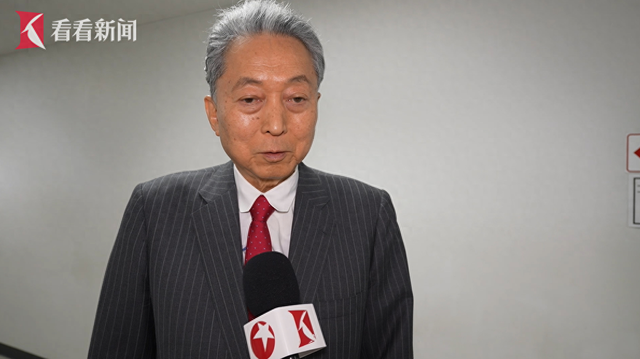
日本民间团体举办讨论会 敦促高市撤回错误言论
Xin Lang Cai Jing· 2026-01-25 12:07
Core Viewpoint - The discussion event "Change Japan! Change Politics!" held in Tokyo highlighted concerns over Prime Minister Sanna Takagi's remarks regarding Taiwan, urging her to retract these statements to alleviate rising tensions in the region [1][3]. Group 1: Political Concerns - Participants, including former Prime Minister Yukio Hatoyama, criticized Takagi for not reflecting public opinion and for actions that have led to increased public anxiety about Japan's future [1]. - Hatoyama emphasized the need for Japan to correct its diplomatic stance, particularly regarding its relationship with China, and to avoid escalating military expenditures based solely on perceived threats [3]. Group 2: Diplomatic Direction - Hatoyama called for a shift in Japan's foreign policy towards fostering friendly relations with neighboring countries, rather than increasing defense spending in response to China [3]. - The former Prime Minister argued that Japan's true security should be based on diplomatic autonomy and a shared peace framework in Asia, rather than on military confrontation and arms expansion [3].

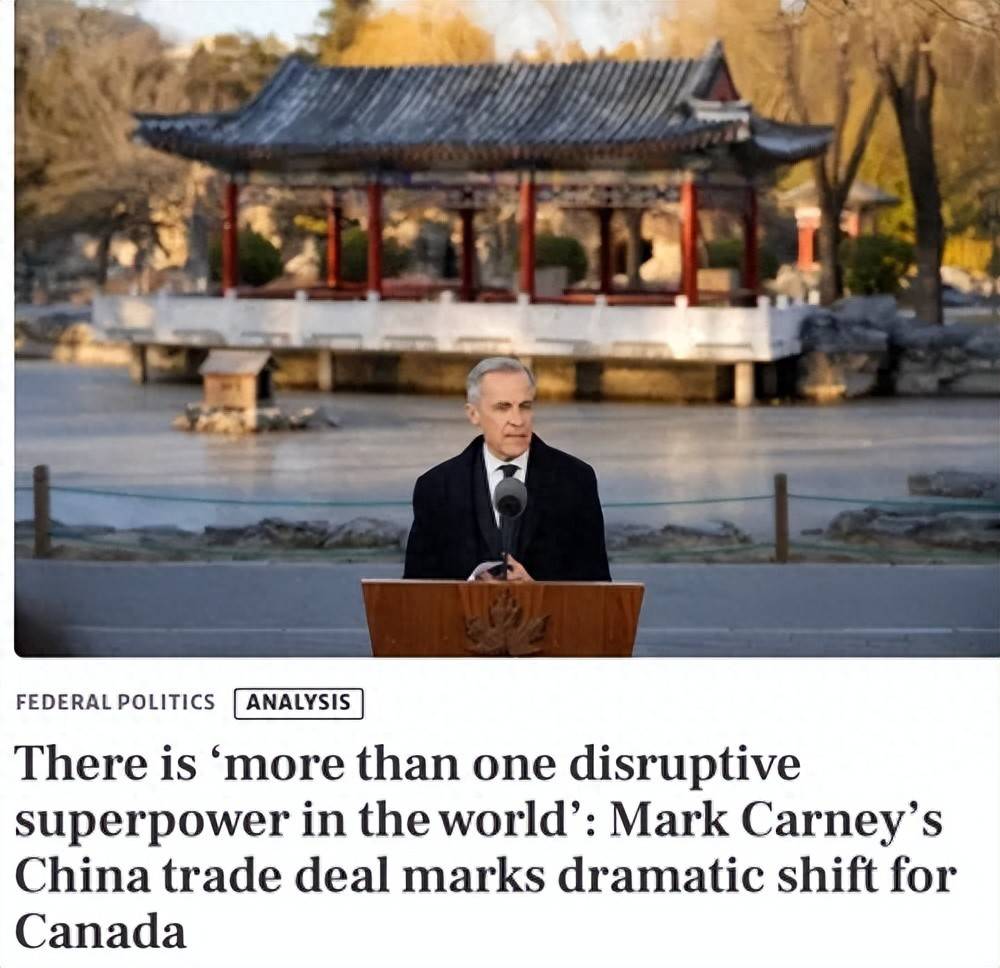
中加达成里程碑协议!中国将对加拿大公民免签!互降关税!
Sou Hu Cai Jing· 2026-01-18 05:37
Group 1: Trade Agreements and Tariff Adjustments - The agreement between Canada and China includes significant tariff adjustments, with Canada expecting China to reduce the tariff on canola from 84% to 15% by March 1, which is seen as a major progress [3] - Starting from March until the end of 2026, Canadian products such as canola meal, lobster, crab, and peas will no longer face tariff restrictions, which is crucial for Canadian farmers [3] - Canada will allow up to 49,000 Chinese electric vehicles to enter its market with a reduced tariff of 6.1%, down from the current 100%, making electric vehicles more affordable for Canadians [5] Group 2: Strategic Partnerships and Future Plans - The agreement marks a milestone in Canada-China relations, incorporating energy cooperation and cultural exchanges into a broader strategic partnership framework [1] - Canada aims to double its exports to non-U.S. markets by 2030 and plans to increase its exports to China by 50% [5] - The introduction of a visa-free policy for eligible Canadian citizens traveling to China for business or tourism is expected to enhance bilateral relations and facilitate easier travel [7] Group 3: Geopolitical Context - The agreement comes amid U.S. pressures, with Canadian Prime Minister Mark Carney signaling that Canada will seek international support to maintain its diplomatic and trade autonomy [10]