黄豌豆

Search documents
中加达成里程碑协议!中国将对加拿大公民免签!互降关税!
Sou Hu Cai Jing· 2026-01-18 05:37
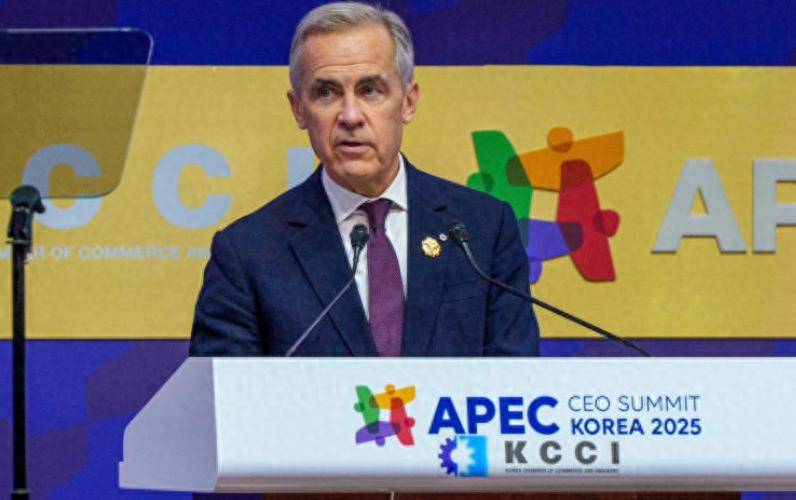
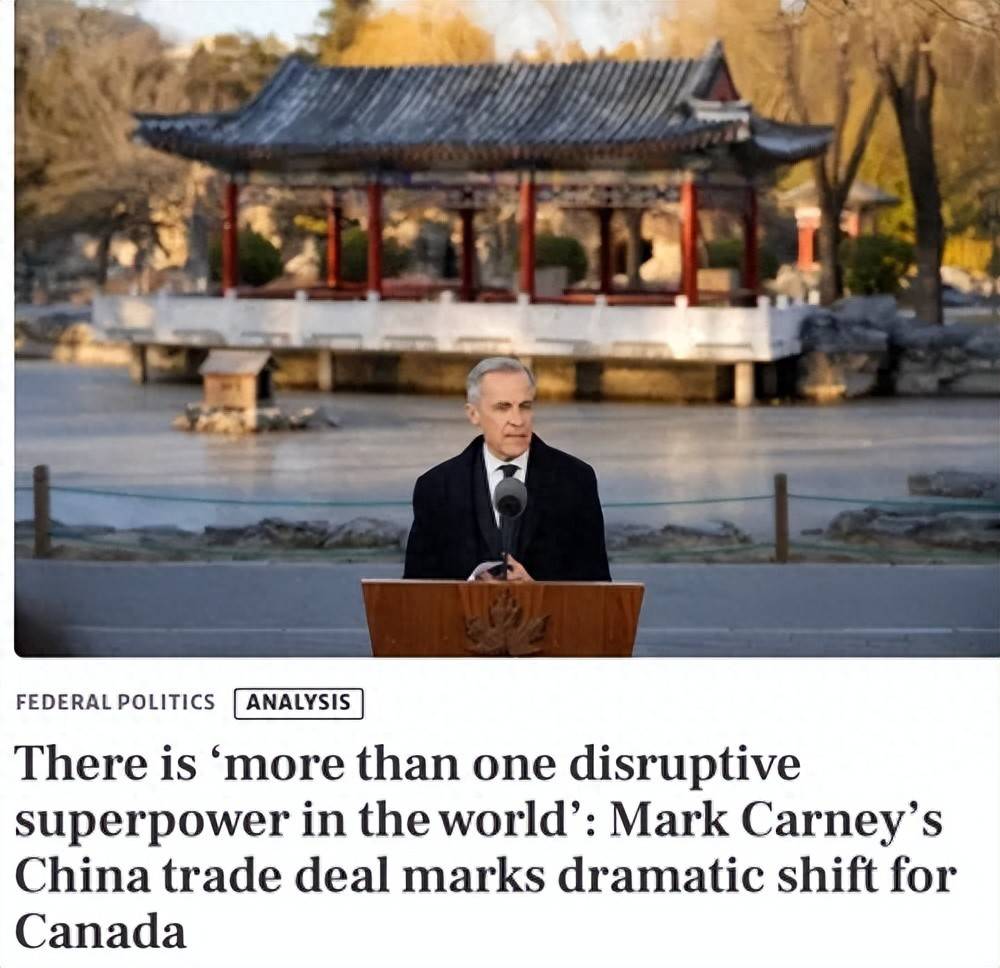
Group 1: Trade Agreements and Tariff Adjustments - The agreement between Canada and China includes significant tariff adjustments, with Canada expecting China to reduce the tariff on canola from 84% to 15% by March 1, which is seen as a major progress [3] - Starting from March until the end of 2026, Canadian products such as canola meal, lobster, crab, and peas will no longer face tariff restrictions, which is crucial for Canadian farmers [3] - Canada will allow up to 49,000 Chinese electric vehicles to enter its market with a reduced tariff of 6.1%, down from the current 100%, making electric vehicles more affordable for Canadians [5] Group 2: Strategic Partnerships and Future Plans - The agreement marks a milestone in Canada-China relations, incorporating energy cooperation and cultural exchanges into a broader strategic partnership framework [1] - Canada aims to double its exports to non-U.S. markets by 2030 and plans to increase its exports to China by 50% [5] - The introduction of a visa-free policy for eligible Canadian citizens traveling to China for business or tourism is expected to enhance bilateral relations and facilitate easier travel [7] Group 3: Geopolitical Context - The agreement comes amid U.S. pressures, with Canadian Prime Minister Mark Carney signaling that Canada will seek international support to maintain its diplomatic and trade autonomy [10]

特朗普关上最后一扇门,加拿大彻底陷三面受敌,这次中国也在其中
Sou Hu Cai Jing· 2025-11-23 06:30
Group 1 - Canada is facing significant challenges in its agricultural sector, particularly with yellow peas, due to tariffs imposed by China and India, which together account for 80% of Canada's pea exports [3][5] - The imposition of a 30% tariff by India on Canadian yellow peas, following a 100% tariff from China, has severely impacted Canadian farmers, leading to a loss of market access [3][5] - The diplomatic tensions between Canada and major trading partners, including the U.S., China, and India, have resulted in a complex geopolitical landscape that is detrimental to Canada's agricultural exports [10] Group 2 - The relationship between Canada and the U.S. has deteriorated, with the Trump administration imposing tariffs of up to 50% on Canadian goods, which has crippled the manufacturing sector [5][7] - A recent incident involving a Canadian government advertisement that criticized U.S. product quality led to the suspension of trade negotiations between Canada and the U.S., highlighting the fragile nature of their relationship [5][7] - Canada's attempt to balance relations with both China and the U.S. has proven ineffective, as recent military agreements with the Philippines have further complicated its diplomatic standing [7][8] Group 3 - The current situation serves as a lesson for other countries about the interconnectedness of diplomacy and economics in a multipolar world, where offending one nation to appease another can lead to significant backlash [10] - The plight of Canadian farmers, particularly in the yellow pea sector, underscores the need for Canada to reassess its foreign policy and trade strategies to avoid being caught in the crossfire of larger geopolitical conflicts [10]

加拿大豆农的天塌了!印度也来火上浇油,罕见和中方做出同一决定
Sou Hu Cai Jing· 2025-11-10 03:12
Group 1 - China and India have both imposed significant tariffs on Canadian peas, with China implementing a 100% tariff and India a 30% tariff, which together account for 80% of Canada's pea exports [3][5][9] - The Canadian agricultural sector is facing a crisis, with 59,000 tons of peas stuck at the Vancouver port and farmers expressing urgent concerns over the financial impact of these tariffs [3][9][11] - The Canadian government, led by Prime Minister Carney, is struggling to respond effectively to these trade challenges, particularly with India, which has alternative suppliers for peas [11][13] Group 2 - The tariffs imposed by China are a response to Canada's previous tariffs on Chinese electric vehicles and other products, indicating a retaliatory trade relationship [5][16] - India's decision to reintroduce a 30% tariff on yellow peas is aimed at protecting its domestic farmers, highlighting the importance of agriculture in India's economy [7][9] - Canada's reliance on pea exports, particularly from Saskatchewan, has left it vulnerable, as domestic processing capabilities are limited, with only 12 processing facilities that can handle less than 10% of export volumes [9][11] Group 3 - The geopolitical dynamics are complex, with Canada attempting to balance relations with both the U.S. and China, but facing backlash from both sides due to perceived diplomatic missteps [14][16] - The situation underscores the risks of short-sighted trade policies, as Canada’s attempts to align with U.S. interests have resulted in increased tariffs and strained relations with key trading partners [16][18] - The ongoing crisis in the pea industry serves as a cautionary tale for other countries regarding the consequences of trade discrimination and the importance of adhering to fair trade practices [18]