
外卖平台标准化管理

Search documents
冲上热搜!美团、淘宝闪购、京东外卖集体发声
Xin Lang Cai Jing· 2025-12-05 10:14
Core Viewpoint - The release of the new national standard for food delivery services has prompted major platforms like Meituan, Taobao Flash, and JD Delivery to collectively announce their commitment to implement the standard, aiming to enhance service quality and ensure fair competition in the industry [1][6]. Group 1: Industry Response - Major platforms have stated their active participation in the development of the new standard, emphasizing their commitment to fair competition, food safety, service quality, and stakeholder rights [1][6]. - The platforms will integrate the standard into their operational management and service processes, aiming to improve the management of merchants and delivery personnel, enhance consumer experience, and protect the rights of all parties involved [1][6]. Group 2: Regulatory Context - The new standard, titled "Basic Requirements for Delivery Platform Service Management," was issued by the State Administration for Market Regulation to address irrational competition and insufficient protection of delivery personnel's rights in the food delivery industry [2][7]. - The standard focuses on four key areas: merchant management, pricing and promotional behavior, labor management, and dispute resolution, aiming to enhance accountability and transparency within the industry [3][8]. Group 3: Expected Outcomes - The implementation of the standard is expected to improve service quality, enhance consumer rights protection, and shift platforms' focus from merely pursuing traffic to prioritizing service quality and user experience, contributing to sustainable industry development [4][9]. - The standard serves as a significant regulatory measure that provides a scientific basis for market supervision, promotes industry self-discipline, and fosters a fair competitive environment, which is crucial for the high-quality development of the platform economy [10].



美团、京东外卖、淘宝闪购发布声明
证券时报· 2025-12-05 04:45
Core Viewpoint - The article discusses the implementation of the national standard "Basic Requirements for Delivery Platform Services" by Meituan, JD.com, and Taobao, emphasizing their commitment to improving service quality and ensuring fair competition in the food delivery industry [1][5]. Group 1: Standard Implementation - Meituan, JD.com, and Taobao, as drafting units, actively participated in the formulation of the national standard and expressed strong agreement with its core principles, including fair competition, food safety, service quality enhancement, and stakeholder rights coordination [5]. - All three companies declared their voluntary commitment to integrate the standard's requirements into their operational management and service processes, aiming to optimize platform rules and improve service management for merchants and delivery personnel [5]. Group 2: Regulatory Background - The National Market Supervision Administration announced the approval and implementation of the "Basic Requirements" standard to address issues such as "ghost deliveries," irrational competition, and insufficient protection of delivery personnel's rights [6]. - The administration has previously engaged in discussions with delivery platforms to ensure compliance with laws and regulations, emphasizing the need for platforms to uphold fair competition [6]. Group 3: Standard Development Process - The development of the standard involved extensive consultations with experts, platform companies, industry associations, and representatives from merchants and delivery personnel to enhance its practicality and effectiveness [7]. - The standard addresses key issues in the delivery industry, focusing on merchant management, competition order, delivery personnel rights protection, and dispute resolution mechanisms [7].

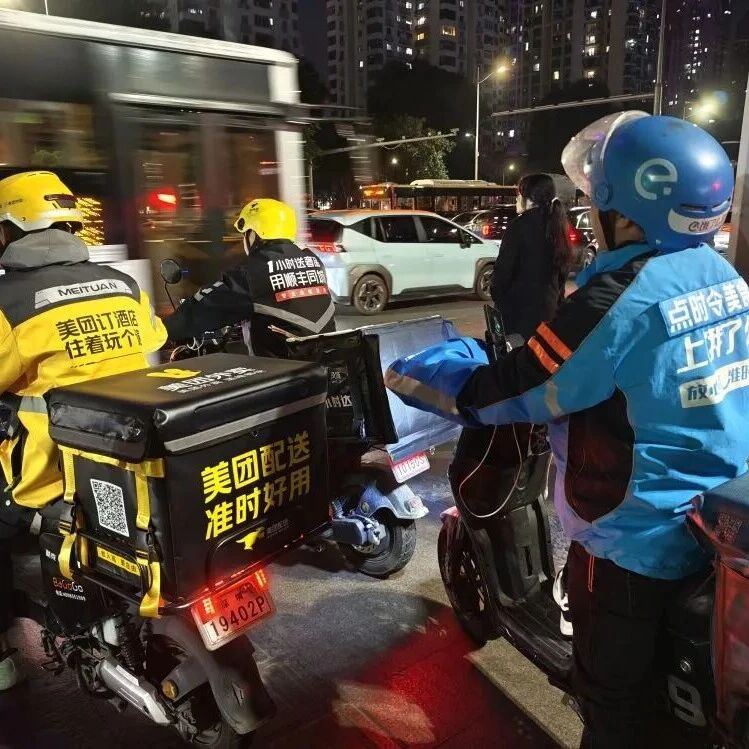
保障配送员劳动收入、平台不得强制商户促销,市场监管总局详解外卖平台国家标准
Xin Lang Cai Jing· 2025-12-04 12:11
Core Viewpoint - The newly approved national standard "Basic Requirements for Delivery Platform Service Management" aims to address key issues in the food delivery industry, including "ghost deliveries," irrational competition, and insufficient protection of delivery personnel's rights [1][8]. Group 1: Platform Responsibilities - The standard emphasizes the need to strengthen the platform's responsibility, particularly in managing merchant onboarding and ensuring compliance with food safety regulations [2][9]. - Platforms are required to establish dedicated teams to verify merchant information and operating conditions, ensuring that only qualified merchants are allowed to operate [2][9]. - Monthly audits of merchant operations must be conducted, with a minimum sampling rate of 5% to enhance ongoing oversight [2][9]. Group 2: Promotion and Pricing - The standard differentiates between "platform price promotions" and "merchant price promotions," stating that the costs of platform promotions should not be passed on to merchants or delivery personnel [3][10]. - Platforms must not interfere with merchants' pricing autonomy or compel them to participate in promotional activities [3][10]. - Promotional activities must be communicated to merchants at least seven days in advance to allow for adequate preparation [3][10]. Group 3: Competition Regulation - Platforms are prohibited from using exaggerated marketing tactics, such as "zero-cost purchases," and must avoid practices that disrupt market pricing and order [4][11]. - The standard encourages rational competition among platforms, ensuring that subsidies provided to consumers are not misrepresented as platform subsidies [4][11]. Group 4: Delivery Personnel Rights - The standard outlines measures to protect delivery personnel, including optimizing dispatch algorithms to consider various factors like traffic and weather [6][12]. - Delivery personnel must receive compensation for working during public holidays and adverse weather conditions, with platforms required to provide additional support [6][12]. - Platforms must ensure that delivery personnel have reasonable working hours and rest periods, implementing fatigue warning systems to prevent overwork [7][13].