
外资券商本土化

Search documents
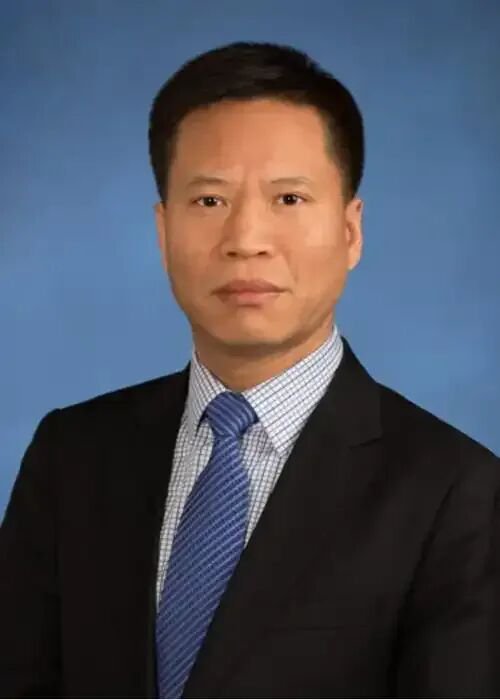
野村东方国际证券管理层调整
Xin Lang Cai Jing· 2026-01-15 09:05
Core Viewpoint - The article highlights the significant improvements in the operations and management of foreign securities firms in China, particularly focusing on Nomura Orient International Securities, amidst the ongoing opening of China's capital market to foreign investments in 2025 [1][10]. Group 1: Management Changes - Nomura Orient International Securities has recently undergone a management adjustment, with Wang Xuyang, former general manager of Goldman Sachs ICBC Wealth Management, joining as the new general manager, while the previous general manager, Kitamura Akira, has taken on the role of chairman [2][11]. - Wang Xuyang holds an MBA from the University of Toronto and is a CFA charterholder, with extensive experience in various financial institutions, including Goldman Sachs and CICC [4][13]. - The appointment of Wang Xuyang reflects a broader trend among foreign securities firms in China, where many are adjusting their core management to enhance localization and operational effectiveness [5][14]. Group 2: Industry Performance - As of mid-2025, the total assets and net assets of 16 foreign-controlled securities firms in China have increased by 10% and 6.96% year-on-year, respectively, with operating revenue reaching 4.36 billion yuan and net profit soaring by 5.8 times to 710 million yuan [5][14]. - Nomura Holdings reported a revenue of 1,038.777 billion yen for the first half of the fiscal year ending March 2026, marking an 11% increase, and a net profit of 203.267 billion yen, up 18% year-on-year [6][14]. - The stable growth of Nomura's global operations provides substantial support to Nomura Orient, allowing it to focus on cross-border investment banking and asset management, leveraging its strengths in the Chinese market [6][14]. Group 3: Strategic Direction - The management changes at Nomura Orient indicate a shift towards a more centralized approach in managing its China operations, contrasting with previous practices where local executives held dual roles [5][15]. - Other foreign firms, such as JPMorgan and UBS, are also tightening their headquarters' control over China operations to better align local business with global strategies, while still maintaining a degree of localization [7][15]. - The industry faces challenges in adapting international business practices to meet the specific investment needs of the Chinese market, balancing compliance, cost control, and business expansion [8][15]. Group 4: Future Outlook - The competitive landscape for foreign securities firms in China is expected to continue optimizing through 2026, as the industry adapts to evolving market conditions and regulatory frameworks [9][16].


瑞信证券更名为北京证券;锦龙股份拟购买深圳本贸29.32%股权 | 券商基金早参
Mei Ri Jing Ji Xin Wen· 2025-07-24 00:57
Group 1 - Credit Suisse Securities has been renamed Beijing Securities, marking an acceleration in the localization process of foreign-backed brokerages in China [1] - Beijing State-owned Assets Company acquired a 36.01% stake in Credit Suisse Securities from UBS for $91.35 million (approximately 650 million RMB) and a 49% stake from Founder Securities for $124 million (approximately 885 million RMB) [1] - The acquisition increases the number of brokerages with state-owned capital to five, potentially leading to adjustments in the industry landscape and intensified competition [1] Group 2 - Jinlong Co. plans to acquire a 29.32% stake in Shenzhen Benmao Technology Co., indicating a deeper commitment to the computing power sector [2] - This acquisition is part of Jinlong's strategy to transform its business amid financial pressures and policy support, further enhancing its computing power capabilities [2] - The move may influence stock price fluctuations and reflect market assessments of Jinlong's transformation strategy [2] Group 3 - Public funds have significantly increased their allocation to the Sci-Tech Innovation Board, with the proportion of stocks in active equity funds reaching a record high of 15.36% by the end of Q2 [3] - The over-allocation ratio for the Sci-Tech Innovation Board has risen from 7.5% to 7.72%, indicating growing confidence in the hard technology sector [3] - The expansion of themed funds focused on the Sci-Tech Innovation Board, now exceeding 300 billion RMB, is expected to inject new momentum into hard technology investments [3] Group 4 - Pension plans are increasingly participating in the ETF market, with a notable trend of "group purchases" of ETFs, particularly the upcoming Fortune CSI Hong Kong Stock Connect Technology ETF [4] - The scale of pension investors holding listed funds has grown over 300% compared to the end of 2022, reaching approximately 6 billion RMB [4] - Despite this growth, there remains significant room for pension plans to increase their allocation to public funds, given their overall scale in the trillions [4]
